



Welland heating replacement services describes when to replace aging or undersized systems and the types available, from furnaces and boilers to cold-climate heat pumps and complete upgrades. The process begins with a professional assessment and accurate load calculations to prevent oversizing or undersizing, followed by equipment selection, permitting, removal of the old system, installation, and commissioning. With high-efficiency equipment and proper maintenance, homes gain improved comfort, lower energy costs, and increased resale value, supported by warranties and available financing.
-min.jpeg)
Heating Replacement in Welland, ON
Replacing an aging or undersized heating system is one of the most effective ways to improve comfort, lower operating costs, and reduce unexpected repair headaches in Welland, ON homes. Winters in the Niagara Region can be long, with cold snaps and humidity swings that place extra demand on furnaces and boilers. When repairs are frequent, efficiency is low, or your system cannot keep your home comfortable, a full heating replacement is often the smarter long-term choice.
When a full heating replacement is recommended
- Repeated breakdowns or escalating repair costs over several seasons
- System age: many furnaces and boilers become unreliable after 15 to 20 years
- Poor comfort: uneven rooms, persistent cold spots, or trouble maintaining set temperature
- Safety or reliability issues: cracked heat exchangers, frequent pilot or ignition failures, or obsolete controls
- High energy use despite regular maintenance, indicating declining efficiency
- Major renovations or home additions that change the heating load
Common heating replacement types in Welland homes
- Furnace replacement (natural gas or propane): traditional choice for forced-air systems, with options from standard to high-efficiency condensing and modulating models.
- Boiler replacement: hot-water or steam boilers for hydronic systems found in older or renovated houses. Modern condensing boilers offer much higher efficiency.
- Cold-climate heat pumps and hybrid systems: increasingly viable in Niagara Region conditions, often paired with a furnace for backup in the coldest weather.
- Complete system upgrades: replacing furnace/boiler plus ducts, thermostats, and ventilation for a whole-home performance improvement.
Assessment and heating load calculations
A proper replacement begins with a professional assessment and an accurate heating load calculation, not simply matching the size of the old unit. Steps include:
- Home inspection: evaluate insulation levels, windows, orientation, air leakage, and any recent renovations that change heat loss. Homes in Welland with older windows, uninsulated basements, or added living space commonly have higher heat loss than assumed.
- Occupant and usage review: family size, thermostat setpoints, and schedule affect sizing.
- Heat loss calculation: technicians use industry-standard methods (Manual J style calculations) to determine the exact BTU requirements based on local design conditions, desired indoor temperatures, and construction factors.
- Ductwork and distribution check: measure airflow, check for leaks, and size ducts to ensure the new unit can deliver conditioned air effectively.
Accurate sizing prevents “oversizing” (short cycling, higher wear) and “undersizing” (inadequate comfort). Using Welland’s local climate data ensures the system is sized for real winter extremes in the Niagara Region.
Energy-efficient equipment options compared
- High-efficiency condensing furnaces: AFUE ratings 95% and above. Condensing technology captures heat from exhaust gases, reducing energy use and lowering fuel costs. Variable-speed blowers and modulating burners improve comfort and reduce energy spikes.
- Modulating and two-stage furnaces: run at lower capacity for most conditions, improving comfort and minimizing temperature swings.
- Condensing boilers: highly efficient for hydronic systems; can be zoned for improved control and comfort.
- Cold-climate heat pumps: modern models perform well in colder temperatures and can cut electrical consumption for heating. Best as part of a hybrid strategy where a furnace provides backup on the coldest days.
- Smart thermostats and zoning: paired with variable-speed equipment, these reduce wasted energy and improve individual-room comfort.
Selecting equipment should balance efficiency (AFUE, HSPF, or SEER where applicable), system compatibility with existing ducts or radiators, and projected operating savings over the unit’s lifetime.
Professional installation process and timeline
A typical residential heating replacement follows a clear process:
- Pre-install assessment and load calculation to confirm equipment size and scope.
- Final equipment selection, verification of clearances, venting, and gas or electrical requirements.
- Permitting and inspection scheduling as required by local codes.
- Removal of the old system and safe disposal or recycling of components.
- Installation of the new unit, including any ductwork, flue, gas line, or condensate piping changes.
- Commissioning and testing: combustion safety checks, airflow balancing, and thermostat programming.
- Customer walkthrough: explanation of operation, maintenance needs, and warranty registration.
Most straightforward furnace replacements in typical Welland homes can be completed within a single workday when no major ductwork changes are required. More complex projects—boiler swaps, new duct systems, or significant ventilation upgrades—may take multiple days. Local weather and permitting timelines can also affect scheduling.
Warranty, incentives, and financing options
- Manufacturer warranties typically cover major components for a defined period; extended coverage may be available. Proper installation and annual maintenance are often required to keep warranties valid.
- Labor warranties from the installer should be clarified up front and detailed in writing.
- Incentives and rebates: Ontario and federal programs periodically offer rebates or incentives for high-efficiency equipment and heat pump installations. These options can improve the payback timeline.
- Financing options: many homeowners use low-interest financing, seasonal promotions, or payment plans to spread replacement costs while still gaining immediate efficiency benefits. Ask about warranty registration and maintenance plans required to maximize coverage.
Expected long-term savings and value
While exact savings vary by home and usage patterns, modern high-efficiency systems typically reduce fuel or electricity consumption substantially compared with older equipment. Benefits include:
- Lower monthly energy bills and reduced seasonal volatility.
- Fewer repairs and lower annual maintenance costs due to newer, more reliable components.
- Improved comfort and indoor air quality with proper airflow and filtration.
- Increased property value and improved resale appeal, especially with energy-efficient certifications or zoning.
- Reduced greenhouse gas emissions and a smaller carbon footprint over the system lifetime.
Estimating payback involves factoring local energy prices, system efficiency improvements, and usage patterns. A professional assessment will provide a clearer picture of anticipated savings for your specific Welland home.
Maintenance and long-term care
To protect your investment: schedule annual maintenance, replace filters regularly, confirm combustion safety checks, and keep vents and returns unobstructed. A maintenance plan preserves efficiency, extends equipment life, and helps ensure warranty compliance.
Replacing a heating system is a significant decision for Welland homeowners. When sized and installed correctly, a new furnace, boiler, or heat pump delivers consistent comfort through Niagara Region winters, lowers operating costs, and provides long-term reliability for your home.

Customer Testimonials

Lifesavers!! The AC in our house decided to quit the day we were passing the keys to the new owners!! Instead of making a service call to the house, John coached me through the minor repair over the phone, saving me the money and time waiting for a repair person to come.Much appreciated! Thanks again John

I called John today at 2:pm as my AC was not working and I wasn’t expecting even a call back as I knew with this hot weather we have had he would be swamped with calls. Well he called me back and showed at 8:pm on the same day to fix my AC. That is just incredible service and how much John really cares about his clients. Thank you John !
I have used Niagara Home heating for multiple projects for over 16 years. John and his staff are absolutely the best. I tell all my friends and family about Niagara Home Heating because you won’t get any better service or pricing anywhere in Niagara. He has saved me thousands and thousands of dollars and has never let me down.
Very efficient company. I needed an old solar water heater removed from my roof. They were quick to book an appointment for the next day after I sent photos. They were very knowledgeable of the issue. The 2 guys that came were friendly and competent with the job, including removal of all parts.
We had an amazing experience getting our new furnace installed with Niagara Home Heating. The owner was very helpful, their quote was more then competitive and the technician who installed the unit was professional and friendly. I would recommend their services.
I had an issue with my hot water tank and called Niagara Home Heating. Their service was fantastic and reasonably priced—exactly how a business should be run!

Service Areas
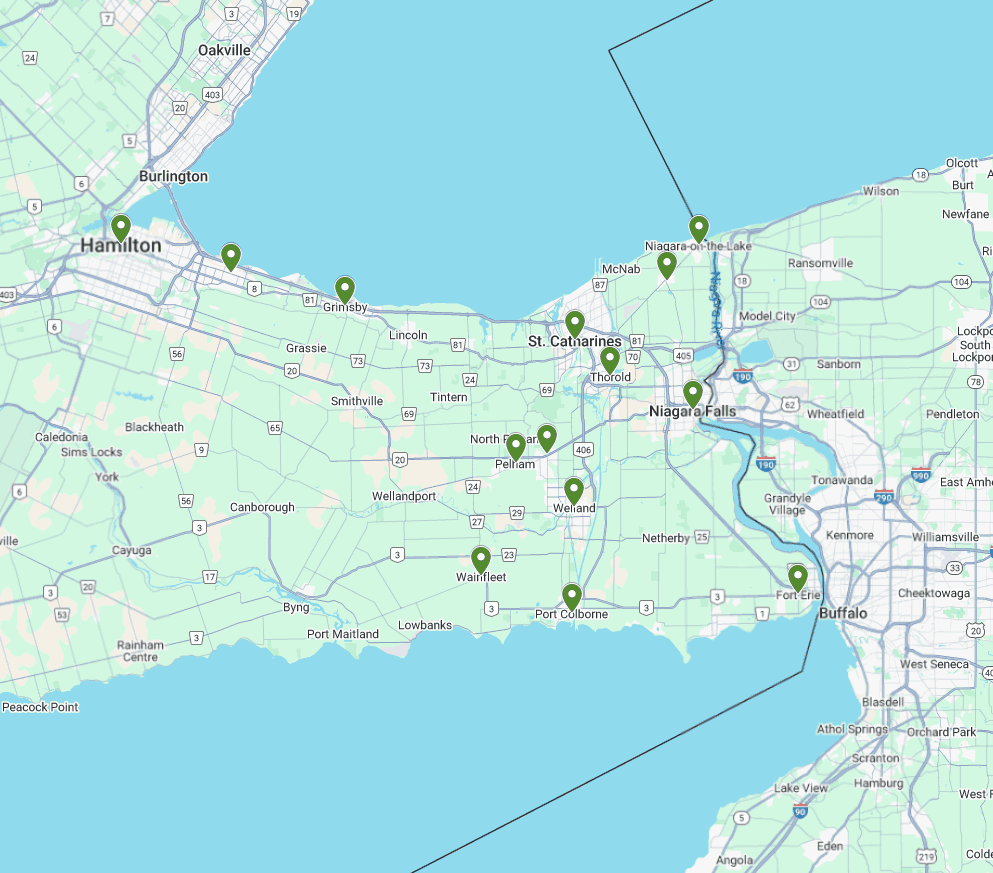
Our service areas encompass a wide range of locations, ensuring that we can meet the needs of our clients wherever they are. From bustling urban centers to serene rural landscapes, we are committed to providing top-notch services tailored to each unique environment.