



Welland homeowners can benefit from comprehensive heating maintenance programs tailored to local winters. Regular tune-ups, filter schedules, safety inspections and efficiency checks reduce mid-season outages, preserve warranties, and extend equipment life. It describes describes common Welland-specific issues, inspection checklists, and what to expect during a seasonal tune-up, including CO testing and burner analysis. It also covers maintenance agreements, scheduling, and the tangible benefits of reliability, lower energy use, and proactive repairs for furnaces, boilers, and heat pumps.
.jpeg)
Heating maintenance in Welland, ON
Keeping your heating system tuned and safe is essential in Welland, ON, where cold winters, lake effect snow and occasional deep cold snaps put heavy demands on furnaces, boilers and heat pumps. Regular heating maintenance reduces breakdowns during the coldest nights, improves efficiency to lower winter energy bills, extends equipment lifespan and helps protect your home from safety hazards like carbon monoxide. This It describes describes routine heating maintenance services and programs, what inspectors look for, common local issues, and how maintenance agreements typically work for Welland homeowners.
Why seasonal heating maintenance matters in Welland homes
- Welland winters: Prolonged cold periods mean systems run longer and wear faster. Small issues left unchecked are more likely to cause mid-winter failures.
- Older housing stock: Many homes in the Niagara region have older furnaces and boilers that benefit most from preventive service to avoid emergency replacement.
- Humidity and air quality: High humidity in summer and spring allergens can contribute to dust and debris buildup in ductwork and filters, reducing efficiency in winter.
- Safety and compliance: Regular inspections ensure safe combustion, proper ventilation and help maintain manufacturer warranties.
Types of routine maintenance and programs
- Seasonal tune-ups: Typically scheduled before heating season (autumn) and sometimes a mid-season check. Includes cleaning, calibration and system performance assessment.
- Filter replacement schedule: Recommended filter changes vary by filter type and household conditions. Typical guidance:
- Basic fiberglass filters: every 30 to 60 days
- Pleated MERV 8 to 11: every 90 days, or more often with pets/allergies
- High-efficiency filters and whole-home filtration: follow manufacturer guidance and more frequent checks in dusty conditions
- Safety inspections: Carbon monoxide testing, gas leak check, flue and vent integrity, and heat exchanger inspection.
- Efficiency checks: Airflow testing, burner combustion analysis, thermostat calibration, and visual refrigerant checks on heat pumps.
- Maintenance agreements: Annual or biannual plans that bundle tune-ups, filter reminders, priority scheduling and documented service history.
Common heating maintenance issues in Welland
- Poor airflow caused by clogged filters or blocked vents from renovations, pets or accumulated dust.
- Short cycling or frequent on/off operation due to thermostat or sizing issues, often revealed by a tune-up.
- Ignition or burner problems in older furnaces, especially after a long summer downtime.
- Condensate line clogs and drainage issues on high-efficiency furnaces and boilers, which can trigger shutdowns.
- Heat exchanger corrosion or cracks on aging units — a safety concern requiring prompt attention.
- Refrigerant leaks or reduced performance on heat pumps after winter usage cycles.
Typical inspection checklist
A thorough heating maintenance visit should include these inspection items:
- Burners and ignition system: clean and inspect for proper flame pattern and stable ignition.
- Heat exchanger: visual inspection for cracks, corrosion and signs of leakage.
- Thermostat: verify calibration, set point accuracy and battery condition; inspect programmable schedules.
- Vents and flue: check for blockages, secure connections and proper draft.
- Air filters: check type and condition, replace or recommend replacement interval.
- Blower motor and fan assembly: clean, lubricate bearings if applicable, check belt tension.
- Safety controls and switches: test limit switches, rollouts and safety interlocks.
- Combustion and CO testing: measure combustion efficiency where applicable and test for carbon monoxide presence.
- Electrical connections: tighten terminals, look for deterioration or overheating.
- Ductwork and airflow: inspect for leaks, disconnected joints and overall airflow balance.
- Condensate and drainage: inspect lines and traps on high-efficiency equipment and heat pumps.
- Fuel supply: verify gas or oil supply lines and connections for leaks or wear.
- Boiler-specific checks: pressure, expansion tank condition, radiator/zone valve operation and pump performance.
- Heat pump-specific checks: refrigerant pressures, reversing valve function and defrost cycle operation.
What a seasonal tune-up includes (what to expect)
- System shutdown and safety tests before any work
- Cleaning burners, combustion chamber and accessible heat exchanger surfaces
- Replacing or recommending filters and inspecting return grills
- Testing and adjusting ignition timing, gas pressure (if required), and burner combustion
- Lubricating motors and moving parts, checking belts and pulleys
- Checking thermostat function and recalibrating if needed
- Verifying proper airflow across the heat exchanger or evaporator coil
- Performing a carbon monoxide and venting safety check
- Providing a written summary of findings and recommended repairs or upgrades
Efficiency checks and performance improvements
- Measuring airflow and static pressure to identify restricted ducts or undersized return paths
- Combustion analysis to ensure burners are operating at peak efficiency and cleanly
- Thermostat or zoning optimization to reduce short cycling and uneven heating
- Duct sealing and insulation recommendations to prevent heat loss in crawlspaces or attics
- Upgrading filters or suggesting whole-home filtration and humidification options to protect equipment and indoor air quality
Maintenance agreements and scheduling details
Maintenance agreements are designed to make preventive care predictable and convenient. Typical features include:
- Annual or biannual visits timed for pre-season tune-ups
- Priority scheduling during peak cold snaps and service windows reserved for members
- Filter change reminders and optional replacement service based on the selected filter type
- Detailed service records kept for each visit to track wear, repairs and warranty compliance
- Discounts or bundled pricing for covered repairs in some programs
- Flexible appointment windows and reminder notifications to accommodate busy householdsHomeowners should choose a plan that matches their system type (furnace, boiler or heat pump), age of equipment and household factors such as pets, renovations or allergy sensitivities.
Benefits of regular heating maintenance
- Improved reliability during cold weather and fewer emergency repairs
- Lower energy bills through maintained efficiency and proper calibration
- Extended equipment lifespan by reducing strain, wear and corrosion
- Faster diagnosis and resolution of small issues before they become major repairs
- Verified safety through CO testing, vent inspections and combustion checks
- Preserved manufacturer warranty coverage by meeting recommended service intervals
Final notes on timing and frequency
- Most homes benefit from an annual pre-winter tune-up; high-use systems or households with pets and allergies may choose biannual service.
- Schedule boiler maintenance before the heating season and consider a mid-season check for older systems.
- Heat pumps typically need a spring and autumn inspection to cover both cooling and heating seasons.
- Keep a written record of all maintenance visits, repairs and filter changes to support performance tracking and warranty needs.
Regular, professional heating maintenance tailored to Welland conditions protects comfort, safety and investment in your home heating system. Proper seasonal tune-ups, a sensible filter replacement schedule and a clear maintenance agreement are the most effective ways to avoid costly mid-winter breakdowns and keep your system running efficiently year after year.

Customer Testimonials

We had an amazing experience getting our new furnace installed with Niagara Home Heating. The owner was very helpful, their quote was more then competitive and the technician who installed the unit was professional and friendly. I would recommend their services.

Very efficient company. I needed an old solar water heater removed from my roof. They were quick to book an appointment for the next day after I sent photos. They were very knowledgeable of the issue. The 2 guys that came were friendly and competent with the job, including removal of all parts.
I have used Niagara Home heating for multiple projects for over 16 years. John and his staff are absolutely the best. I tell all my friends and family about Niagara Home Heating because you won’t get any better service or pricing anywhere in Niagara. He has saved me thousands and thousands of dollars and has never let me down.
Lifesavers!! The AC in our house decided to quit the day we were passing the keys to the new owners!! Instead of making a service call to the house, John coached me through the minor repair over the phone, saving me the money and time waiting for a repair person to come.Much appreciated! Thanks again John
I called John today at 2:pm as my AC was not working and I wasn’t expecting even a call back as I knew with this hot weather we have had he would be swamped with calls. Well he called me back and showed at 8:pm on the same day to fix my AC. That is just incredible service and how much John really cares about his clients. Thank you John !
I had an issue with my hot water tank and called Niagara Home Heating. Their service was fantastic and reasonably priced—exactly how a business should be run!

Service Areas
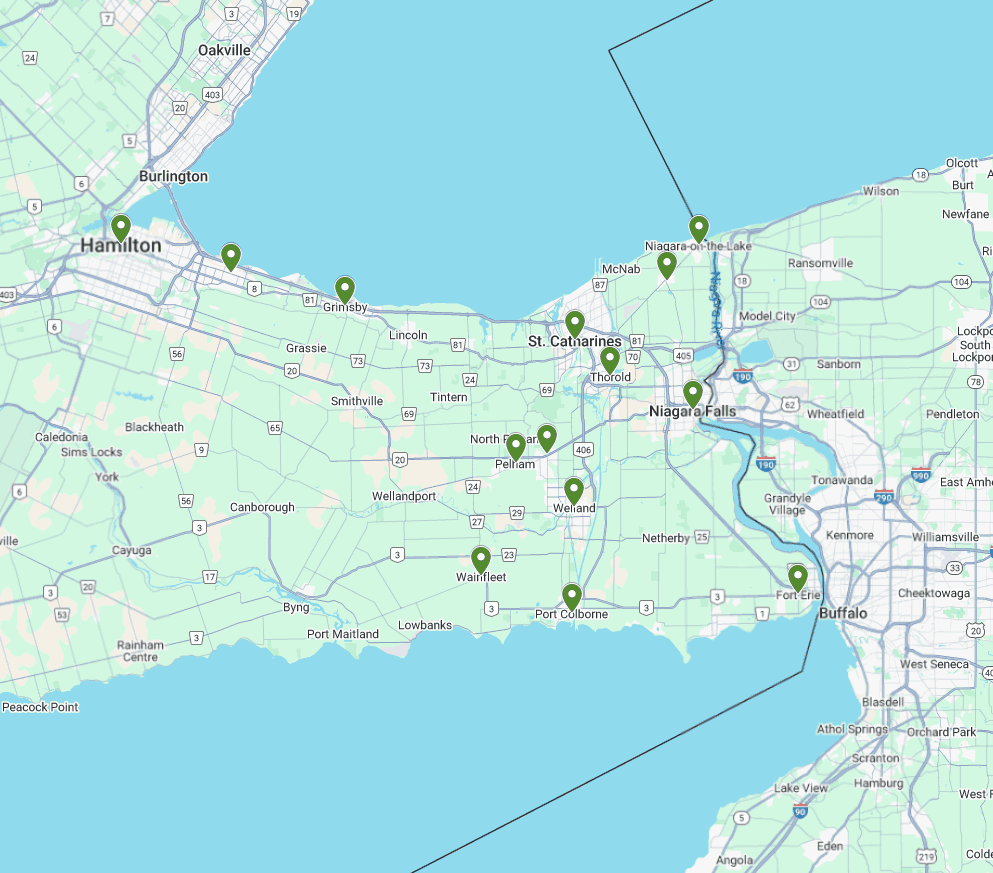
Our service areas encompass a wide range of locations, ensuring that we can meet the needs of our clients wherever they are. From bustling urban centers to serene rural landscapes, we are committed to providing top-notch services tailored to each unique environment.