



It describes a full-service heating installation process in Niagara Falls, ON, from initial assessment to ongoing care. Techs perform load calculations, inspect ducts, and evaluate fuel options to size a furnace, heat pump, boiler, or hybrid system accurately. It covers permits, venting, and code compliance, installation best practices, post-installation testing, and commissioning. Homeowners receive prep guidance, warranty information, and maintenance recommendations to ensure safe operation, energy efficiency, and long-term comfort in Niagara Falls homes.
-min.jpeg)
Heating installation in Niagara Falls, ON
Proper heating installation is one of the most important investments you can make for comfort, safety, and long-term energy savings in Niagara Falls, ON. With cold, windy winters, frequent freeze-thaw cycles and lake effect weather, a correctly selected and professionally installed heating system keeps your home comfortable, reduces fuel use, and prevents costly breakdowns. It describes what to expect from a full-service heating installation: pre-installation assessment, equipment selection and sizing, permits and code compliance, best practices during installation, post-install testing and commissioning, homeowner preparation and cleanup, and warranty plus maintenance recommendations tailored to Niagara Falls homes.
Common heating systems and common installation needs in Niagara Falls
- Furnaces (natural gas or high-efficiency models) — popular in many Niagara region homes; often require proper venting and combustion air.
- Heat pumps (including cold-climate air-source models) — increasingly common because they provide efficient heating and cooling; outdoor placement must consider salt spray and winter buildup.
- Boilers and hydronic systems — typical in older or renovated houses with radiators or in-floor heating; require careful piping and expansion control.
- Ductless mini-splits — ideal for additions, heritage homes without ducts, or zone heating.
- Combination systems and upgrades — replacing a furnace may also require ductwork resizing, venting upgrades, or thermostat integration.
Common challenges in Niagara Falls installations include older homes with undersized or leaky ducts, tight utility room access, high humidity in summer affecting system sizing, and outdoor unit protection from ice and snow.
Pre-installation assessment: What technicians check
A thorough pre-installation assessment is the foundation of a reliable heating installation. Expect a licensed technician to:
- Perform a load calculation (Manual J or equivalent) to determine the correct heating capacity for your home, accounting for insulation, window types, orientation, and local climate conditions.
- Inspect existing ductwork for leakage, insulation, and sizing. Many Niagara Falls homes need duct sealing or rebalancing to optimize system performance.
- Check fuel supply options and routing (natural gas availability, propane, or electrical service) and assess venting or combustion air requirements.
- Evaluate installation space constraints, access, and any structural concerns that affect equipment placement.
- Discuss homeowner priorities: lowest operating cost, quiet operation, space constraints, or future electrification (heat pump readiness).
Equipment selection and sizing: why it matters
Choosing the right equipment goes beyond picking the highest BTU number. Oversized units short-cycle, increasing wear and reducing efficiency. Undersized units cannot maintain comfort on cold Niagara nights. A properly sized system:
- Matches heating capacity to calculated heat loss.
- Considers efficiency ratings (AFUE for furnaces; HSPF/SEER for heat pumps) and realistic seasonal savings in the local climate.
- Accounts for distribution improvements (duct sealing, zone controls) that can allow smaller, more efficient equipment to meet comfort goals.
Technicians should present options — furnace, heat pump, boiler, or hybrid systems — with clear explanations of operating costs and performance in Niagara Falls climate conditions.
Permit and code compliance
Installations in Niagara Falls must comply with Ontario building and gas codes and local municipal requirements. Professional installers will:
- Pull required permits and schedule inspections when necessary.
- Ensure flue, venting, combustion air, and gas piping meet current safety standards.
- Follow electrical code requirements for disconnects, breakers, and wiring.
- Provide documentation for warranty registration and municipal inspections.
Code compliance protects safety and preserves home resale value.
Installation best practices
High-quality installations focus on durability, safety, and performance. Best practices include:
- Proper venting and combustion configuration for gas-fired equipment.
- Secure and correct gas and condensate piping installations.
- Ductwork modifications: sealing, insulation, and correct sizing to prevent pressure imbalances and hot/cold spots.
- Solid mounting and winter protection for outdoor equipment to prevent ice damage and ensure adequate airflow during snow events.
- Correct electrical hookups, grounding, and surge protection where appropriate.
- Using manufacturer-recommended clearances and materials to keep warranties valid.
Installers should also protect floors and furnishings during the work and minimize disruption.
Post-installation testing and commissioning
A comprehensive commissioning process verifies the system was installed correctly and operates as designed. This typically includes:
- Running a full startup sequence and confirming correct thermostat operation, control logic, and safety interlocks.
- Measuring airflow and static pressure to ensure ducts and blower settings match design targets.
- Verifying gas pressures, burner operation, flue draft and CO levels on combustion appliances to confirm safe combustion.
- Checking refrigerant charge and defrost operation on heat pumps for cold-weather performance.
- Balancing zones and demonstrating heating output in multiple rooms.
- Providing a clear walkthrough with the homeowner explaining operation and any maintenance needs.
Documentation of test results and system settings helps future service and warranty claims.
Homeowner preparation and cleanup
Homeowner cooperation helps installations go smoothly. Recommended preparation steps:
- Clear access to the furnace, boiler, or installation area and outdoor condenser space.
- Remove fragile items and secure pets.
- Plan for temporary heating or schedule the work on a day when brief interruptions are manageable.After installation, technicians should leave the work area clean, dispose of old equipment responsibly, and provide paperwork including manuals, warranty cards, and commissioning records.
Warranty and maintenance recommendations
To protect your investment and ensure long life in Niagara Falls conditions:
- Register equipment warranties promptly and keep all installation documentation.
- Schedule annual professional maintenance: safety checks, filter changes, blower and burner cleaning, and heat exchanger inspection for combustion appliances.
- Replace filters regularly and monitor outdoor units during heavy snow or ice events.
- Consider a maintenance agreement that includes seasonal tune-ups and priority service during cold snaps.
Regular maintenance reduces the risk of mid-winter failures and helps units run closer to rated efficiency, saving on energy bills.
Final considerations: benefits of professional installation in Niagara Falls
A professionally executed heating installation tailored to Niagara Falls homes delivers safer operation, reliable year-round comfort, and lower operating costs. Properly sized and commissioned systems reduce cold spots, prevent frequent cycling, and extend equipment life. In climates with heavy winters and humidity swings, attention to ductwork, combustion safety, and outdoor unit protection is essential. Investing in quality installation and ongoing maintenance gives predictable performance and peace of mind through Niagara’s toughest weather.

Customer Testimonials

I have used Niagara Home heating for multiple projects for over 16 years. John and his staff are absolutely the best. I tell all my friends and family about Niagara Home Heating because you won’t get any better service or pricing anywhere in Niagara. He has saved me thousands and thousands of dollars and has never let me down.

I called John today at 2:pm as my AC was not working and I wasn’t expecting even a call back as I knew with this hot weather we have had he would be swamped with calls. Well he called me back and showed at 8:pm on the same day to fix my AC. That is just incredible service and how much John really cares about his clients. Thank you John !
I had an issue with my hot water tank and called Niagara Home Heating. Their service was fantastic and reasonably priced—exactly how a business should be run!
Very efficient company. I needed an old solar water heater removed from my roof. They were quick to book an appointment for the next day after I sent photos. They were very knowledgeable of the issue. The 2 guys that came were friendly and competent with the job, including removal of all parts.
Lifesavers!! The AC in our house decided to quit the day we were passing the keys to the new owners!! Instead of making a service call to the house, John coached me through the minor repair over the phone, saving me the money and time waiting for a repair person to come.
Much appreciated! Thanks again John
We had an amazing experience getting our new furnace installed with Niagara Home Heating. The owner was very helpful, their quote was more then competitive and the technician who installed the unit was professional and friendly. I would recommend their services.

Service Areas
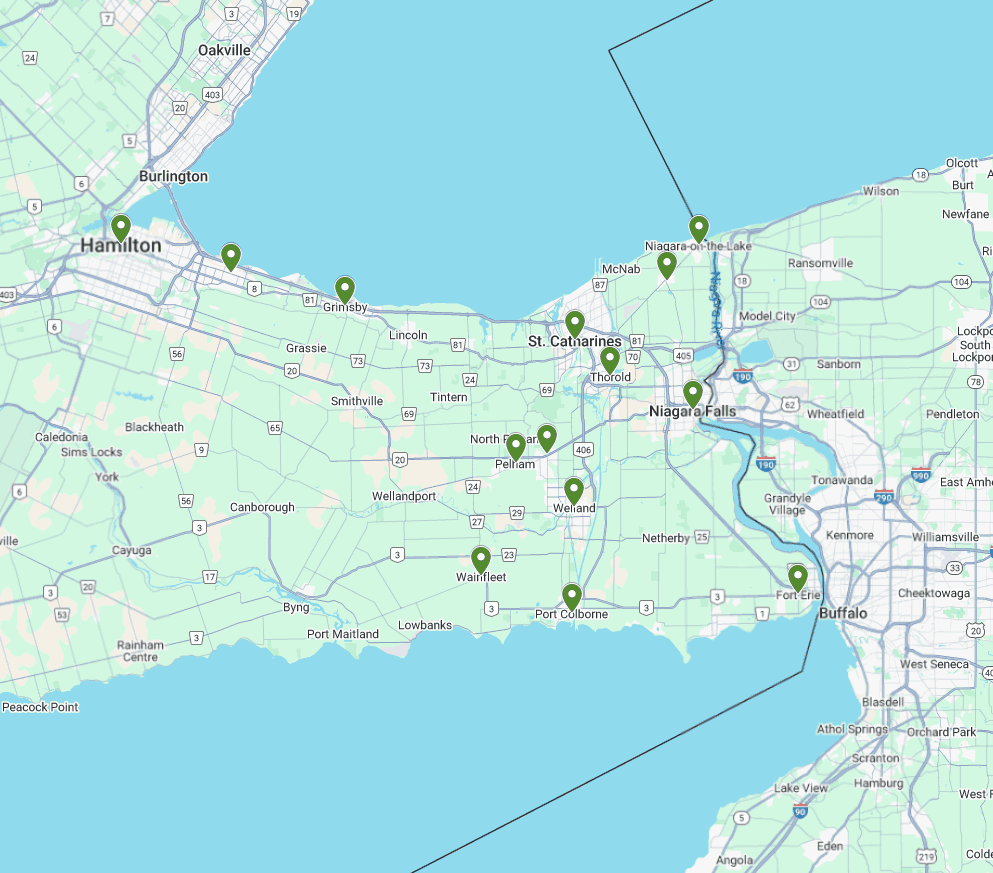
Our service areas encompass a wide range of locations, ensuring that we can meet the needs of our clients wherever they are. From bustling urban centers to serene rural landscapes, we are committed to providing top-notch services tailored to each unique environment.