



Fort Erie residents can rely on 24/7 emergency HVAC service tailored to local conditions, from gas leaks and CO alerts to heat and cold disruptions. It describes common emergency scenarios, the rapid arrival and diagnostic workflow, on-site safety checks, temporary fixes, and coordinated repairs or replacements. It also describes transparent pricing, upfront quotes, and warranties, plus practical safety steps to take while waiting. The service prioritizes safety, speed, and clear communication to restore comfort and protect property.
-min.jpeg)
Emergency HVAC Service in Fort Erie, ON
When your heating or cooling fails at the worst possible time, you need a reliable 24/7 emergency HVAC service that understands Fort Erie homes and the local climate. Our Emergency HVAC Service in Fort Erie, ON focuses on fast, safe response to critical situations — from complete furnace or AC breakdowns to life‑threatening gas leaks or carbon monoxide alerts. common emergency scenarios in the area, how emergency response and diagnostics work, the temporary measures we take on site, repair and replacement coordination, transparent emergency pricing and warranties, and clear safety steps you can take while you wait.
Common emergency HVAC scenarios in Fort Erie
Fort Erie’s proximity to Lake Erie and the Niagara region produces humid summers and cold, changeable winters. These local conditions make certain HVAC emergencies more frequent:
- No heat in winter — pilot failure, ignition issues, cracked heat exchanger, or electrical faults.
- Complete AC failure in summer heat — compressor failure, refrigerant leaks, or capacitor/motor failures.
- Gas leaks — damaged gas lines, improper fittings, or appliance malfunctions.
- Carbon monoxide (CO) alerts — blocked vents, cracked heat exchangers, or improper combustion.
- Frozen condensate or drain lines during cold snaps causing system shutdowns or water damage.
- Electrical or control failures after storms or power surges.
- Sudden refrigerant loss or compressor failure in older systems needing urgent attention.
Understanding these common issues helps prioritize safety and speed when an emergency occurs.
How our 24/7 emergency response works
Our emergency service streamlines urgent HVAC calls so technicians arrive ready to act. Typical arrival and diagnostic flow:
- Dispatcher intake: when you request emergency service, the dispatcher collects location details, symptoms, and any safety concerns (gas smell, alarm activation).
- ETA and technician briefing: a trained technician is assigned with the right tools and commonly needed parts based on your symptoms.
- On arrival: technicians perform a rapid risk assessment, isolate hazards (gas/electrical), and confirm a safe workspace.
- Diagnostic procedures: systematic checks of fuel supply, ignition, controls, airflow, refrigerant levels, combustion products, and safety interlocks to pinpoint the root cause.
- Decision and options: technicians explain findings in plain language and outline immediate fixes, temporary measures, or the need for replacement.
This workflow emphasizes safety first, then restoring comfort as quickly as possible.
On‑site safety checks and temporary fixes
In emergencies the priority is to protect people and property before completing permanent repairs. Standard on‑site measures include:
- Immediate ventilation and evacuation protocols if a gas leak or CO is suspected.
- Shutting off gas or electrical supply when unsafe conditions are found.
- Clearing blocked vents and flues to restore safe combustion and airflow.
- Resetting and testing safety controls and limit switches.
- Temporary bypasses or replacement parts (fuses, capacitors, igniters) to restore operation until permanent parts arrive.
- Securing loose components and preventing short‑term water damage from condensate backups.
Technicians will document temporary repairs and recommend next steps to ensure long‑term safety and efficiency.
Repairs, expedited replacements, and coordination
Some emergencies can be resolved on the spot. When parts or a full replacement are required, we coordinate promptly to minimize downtime:
- On‑site repairs for common failures (ignition systems, motors, capacitors, control boards, condensate issues).
- Expedited parts ordering and same‑day or next‑day delivery where possible.
- Rapid replacement coordination when equipment is unsafe or beyond economical repair — including sizing and permit considerations for furnaces, boilers, AC units, or heat pumps.
- Working with suppliers and installers to compress timelines for urgent replacements, especially during peak winter or summer seasons.
Clear communication during this stage helps homeowners make informed decisions under pressure.
Transparent emergency pricing and warranty information
Emergency work requires clarity on cost and protection. Typical pricing and warranty practices include:
- Disclosure of any emergency or after‑hours service fee up front, followed by a written estimate for labor and parts before work begins whenever safety permits.
- Itemized billing showing diagnostic, labor, and parts charges so you understand what you are paying for.
- Standard part and labor warranty details explained for emergency repairs and replacements. Many replacement parts carry manufacturer warranties; labor warranties for emergency visits are provided for a defined period.
- Options for documented estimates if a full replacement is required, including any available financing or payment options to ease urgent decisions.
This transparency ensures you know the financial implications before proceeding with work.
What to do while waiting for emergency HVAC service
Safety steps you can take immediately reduce risk and protect your home:
- If you smell gas: leave the home immediately, avoid using electronics or lights, do not operate HVAC equipment, and alert others. Wait outside for professional help.
- If a carbon monoxide alarm sounds: evacuate all occupants and pets from the home and get fresh air right away. Do not re‑enter until the situation is cleared by a professional.
- If you have no heat in winter: dress in layers, use safe supplemental heating (follow manufacturer instructions), and keep interior doors closed to concentrate heat. Prevent frozen pipes by allowing slow trickle of faucets if temperatures are dangerously low.
- If AC fails during a heat wave: stay hydrated, move vulnerable occupants to cooler areas, use fans safely, and close blinds to reduce heat gain.
- For any water leakage from HVAC equipment: isolate the electrical supply to the unit if safe, and contain water to prevent damage.
These steps prioritize life safety and minimize additional property loss.
Why Emergency HVAC Service in Fort Erie matters
Fort Erie’s weather extremes and older housing stock mean HVAC failures can happen at any hour and escalate quickly — affecting comfort, health, and safety. Professional 24/7 emergency HVAC service reduces risk from gas and CO incidents, prevents frozen pipes and water damage, and restores climate control during heat waves or cold snaps. Fast diagnostics, clear pricing, and warranty protection give homeowners confidence in urgent situations.
Emergency HVAC issues require a calm, expert response. When an emergency happens in Fort Erie, ON, professional technicians follow safety-first procedures and provide clear repair or replacement options so your home is safe and comfortable again as quickly as possible.

Customer Testimonials

I have used Niagara Home heating for multiple projects for over 16 years. John and his staff are absolutely the best. I tell all my friends and family about Niagara Home Heating because you won’t get any better service or pricing anywhere in Niagara. He has saved me thousands and thousands of dollars and has never let me down.

Very efficient company. I needed an old solar water heater removed from my roof. They were quick to book an appointment for the next day after I sent photos. They were very knowledgeable of the issue. The 2 guys that came were friendly and competent with the job, including removal of all parts.
Lifesavers!! The AC in our house decided to quit the day we were passing the keys to the new owners!! Instead of making a service call to the house, John coached me through the minor repair over the phone, saving me the money and time waiting for a repair person to come.Much appreciated! Thanks again John
I called John today at 2:pm as my AC was not working and I wasn’t expecting even a call back as I knew with this hot weather we have had he would be swamped with calls. Well he called me back and showed at 8:pm on the same day to fix my AC. That is just incredible service and how much John really cares about his clients. Thank you John !
I had an issue with my hot water tank and called Niagara Home Heating. Their service was fantastic and reasonably priced—exactly how a business should be run!
We had an amazing experience getting our new furnace installed with Niagara Home Heating. The owner was very helpful, their quote was more then competitive and the technician who installed the unit was professional and friendly. I would recommend their services.

Service Areas
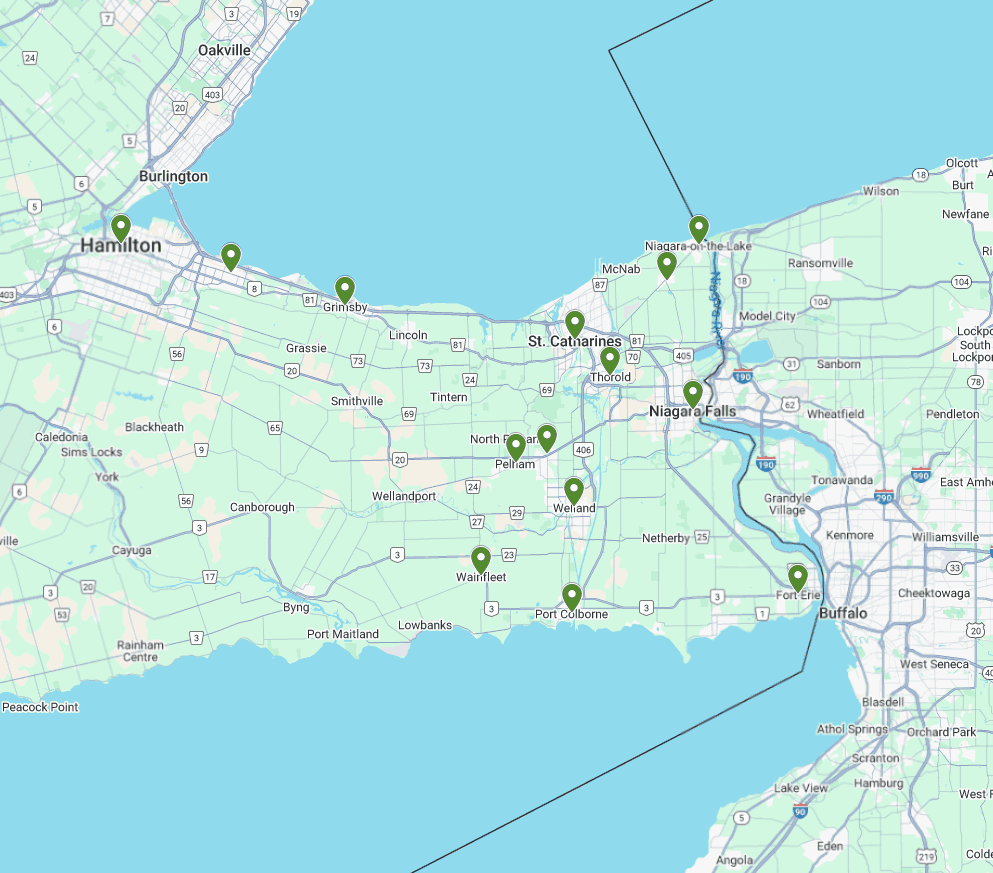
Our service areas encompass a wide range of locations, ensuring that we can meet the needs of our clients wherever they are. From bustling urban centers to serene rural landscapes, we are committed to providing top-notch services tailored to each unique environment.