



Fort Erie HVAC repair services explain how professional diagnosticians pinpoint failures in furnaces, air conditioners, and heat pumps, then deliver durable repairs designed to restore comfort, improve efficiency, and reduce future breakdowns. It describes covers typical problems, diagnostic steps, repair methods and parts, emergency response expectations, technician qualifications, transparent pricing and warranties, and a clear scheduling process. It emphasizes safety, accuracy, thorough documentation, and upfront estimates, guiding homeowners from symptom description to written recommendations and long-term home comfort solutions.
-min.jpeg)
HVAC Repair in Fort Erie, ON
Keeping your heating and cooling systems running reliably is essential in Fort Erie, where humid summers and cold, snowy winters put heavy demand on HVAC equipment. Professional HVAC repair in Fort Erie, ON focuses on fast, accurate diagnostics and durable repairs that restore comfort, improve efficiency, and reduce the risk of repeat breakdowns. common failures, how technicians diagnose problems, typical repair methods and parts used, emergency response expectations, technician qualifications, transparent estimates and warranty practices, and how scheduling a service visit generally works.
Why timely HVAC repair matters in Fort Erie homes
Fort Erie’s climate creates two seasonal stressors: high summer humidity that forces air conditioners and heat pumps to work harder, and winter freeze-thaw cycles plus road salt exposure that accelerate wear on outdoor units and condensate lines. Delaying repairs can lead to higher energy bills, uneven comfort, early system failure, or safety risks such as carbon monoxide from a failing furnace. Prompt, professional repairs preserve equipment life and keep your home safe and comfortable year-round.
Common HVAC problems we see in Fort Erie
- Furnace issues
- No heat or intermittent heating due to failed ignition systems, faulty flame sensors, or control board faults
- Short cycling from clogged filters, improper airflow, or a failing limit switch
- Unusual noises and vibrations from worn motors or blower assemblies
- Air conditioner failures
- Loss of cooling caused by refrigerant leaks, compressor failure, or clogged coils
- Weak airflow from a failing blower motor, dirty evaporator coil, or blocked return ducts
- Frequent tripping of breakers due to capacitor or contactor problems
- Heat pump concerns
- Reduced heating performance in cold snaps from defrost control faults or reversing valve issues
- Ice buildup on outdoor units from drainage or defrost system malfunctions
- Common cross-system problems
- Thermostat miscalibration or wiring faults
- Condensate drain clogs causing water leaks or overflow switches to trip
- Corrosion on outdoor units from coastal humidity and road salt
How diagnostics are performed
A thorough diagnosis pinpoints root causes to prevent recurring problems. Typical diagnostic steps include:
- Visual inspection of indoor and outdoor units for corrosion, leaks, and damage
- Electrical checks of starters, capacitors, contactors, fuses, and control boards
- Refrigerant system tests: pressure checks, leak detection, and superheat/subcooling measurements
- Airflow measurements and filter/coil inspection to identify airflow restrictions
- Combustion analysis and carbon monoxide testing for gas furnaces
- Thermostat verification and system control logic checksTechnicians document findings and explain the options—repair, parts replacement, or full system replacement—along with expected outcomes.
Typical repair methods and parts used
Repairs target the failed component while addressing contributing factors. Common repairs and parts:
- Electrical components: capacitors, contactors, relays, control boards, and breakers
- Motors and blowers: blower wheels, ECM/blower motors, fan motors, and motor bearings
- Refrigeration components: compressors, expansion devices, TXV valves, and refrigerant leak repair
- Furnaces: ignition assemblies, gas valves, flame sensors, limit switches, heat exchangers (inspection and safe-repair guidance)
- Heat pumps: reversing valves, defrost controls, and reversing valve solenoids
- Ancillary parts: thermostats (programmable and smart), condensate pumps, drain lines, Air filters, belts, and duct sealing materialsRepair work includes cleaning coils, restoring proper airflow, pressure-testing refrigerant lines, and performing calibration and safety verification after the fix.
Emergency response and typical timelines in Fort Erie
Emergency HVAC repair is available for situations that threaten safety or leave your home without heat or cooling in extreme weather. In Fort Erie, emergency response is organized to prioritize life-safety issues (no heat in winter, gas leaks, carbon monoxide alarms). Typical emergency arrival windows vary with time of day and demand, but many providers aim for same-day service or arrival within a few hours for the most urgent calls. Non-emergency repairs are often scheduled within 24–72 hours depending on parts availability and season.
Technician qualifications and safety standards
Qualified technicians combine formal training with on-the-job experience. Look for technicians who:
- Hold relevant provincial certifications and gas-handling credentials for safe furnace and boiler work
- Are certified to handle refrigerants and follow environmental regulations regarding recovery and disposal
- Receive manufacturer-specific training for major brands and stay current on electrical and safety code changes
- Carry liability insurance and adhere to strict safety procedures, including combustion and CO testing after furnace repairsTechnicians should explain findings in plain language and show documentation of safety checks performed.
Transparent pricing, estimates, and warranties
Professional HVAC repair practices prioritize transparency:
- Written estimates that separate parts, labor, and diagnostics so you can compare options
- Clear explanation of repair necessity, alternative solutions, expected lifespan after repair, and energy implications
- Upfront discussion of parts warranties and labor guarantees. Typical practices include passing through manufacturer parts warranties and offering a warranty on labor for a specified period. Warranty terms vary by part and manufacturer; reputable providers will document all coverage in writing.
How service scheduling typically works
Scheduling a repair visit typically involves these steps:
- Describe symptoms and any safety alarms so the provider can prioritize appropriately
- Provide basic system information (age, make/model if known) and accessibility notes
- Agree on an appointment window and any entry or on-site instructions
- During the visit, a technician performs diagnostics, explains findings, and provides a written estimate before beginning any non-emergency repairs
- After repairs, the technician documents work completed, tests system performance, and explains care and maintenance recommendations
Preventive tips to reduce future repairs
- Replace filters every 1–3 months during heavy-use seasons to maintain airflow and efficiency
- Schedule annual heating tune-ups before winter and cooling tune-ups before summer to catch issues early
- Keep outdoor units clear of debris, snow, and road salt; consider a raised pad or protective cover during the off-season
- Install a programmable or smart thermostat to reduce wear through optimized cycles
- Ensure proper ventilation around outdoor units and promptly address unusual noises or odors
Reliable HVAC repair in Fort Erie, ON combines local climate knowledge with technical expertise to deliver long-lasting fixes and peace of mind. Professional diagnostics, clear estimates, qualified technicians, and appropriate warranties are the foundation of repair work that protects comfort, safety, and equipment value in Fort Erie homes.

Customer Testimonials

Lifesavers!! The AC in our house decided to quit the day we were passing the keys to the new owners!! Instead of making a service call to the house, John coached me through the minor repair over the phone, saving me the money and time waiting for a repair person to come.Much appreciated! Thanks again John

I had an issue with my hot water tank and called Niagara Home Heating. Their service was fantastic and reasonably priced—exactly how a business should be run!
I have used Niagara Home heating for multiple projects for over 16 years. John and his staff are absolutely the best. I tell all my friends and family about Niagara Home Heating because you won’t get any better service or pricing anywhere in Niagara. He has saved me thousands and thousands of dollars and has never let me down.
I called John today at 2:pm as my AC was not working and I wasn’t expecting even a call back as I knew with this hot weather we have had he would be swamped with calls. Well he called me back and showed at 8:pm on the same day to fix my AC. That is just incredible service and how much John really cares about his clients. Thank you John !
We had an amazing experience getting our new furnace installed with Niagara Home Heating. The owner was very helpful, their quote was more then competitive and the technician who installed the unit was professional and friendly. I would recommend their services.
Very efficient company. I needed an old solar water heater removed from my roof. They were quick to book an appointment for the next day after I sent photos. They were very knowledgeable of the issue. The 2 guys that came were friendly and competent with the job, including removal of all parts.

Service Areas
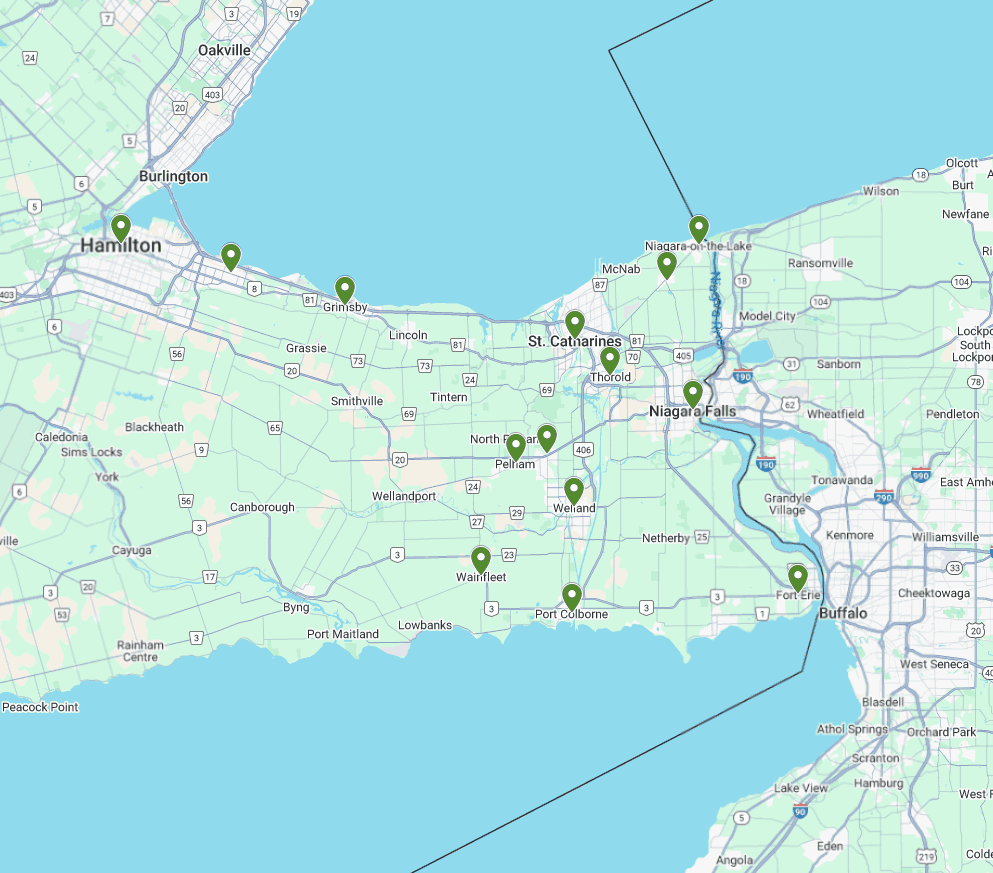
Our service areas encompass a wide range of locations, ensuring that we can meet the needs of our clients wherever they are. From bustling urban centers to serene rural landscapes, we are committed to providing top-notch services tailored to each unique environment.