



It describes HVAC maintenance programs and seasonal service plans for Fort Erie, ON, emphasizing regular inspections, local conditions, and energy savings. It covers why seasonal maintenance matters, common Fort Erie issues, tune-up checklists, preventative measures, and cost reductions from fewer breakdowns and longer equipment life. It also describes what service agreements typically include, such as biannual visits, priority scheduling, and maintenance records, and why partnering with a local provider ensures reliable performance year-round. This page also highlights extended warranties and IAQ considerations.
-min.jpeg)
HVAC Maintenance in Fort Erie, ON
Keeping your heating and cooling systems properly maintained is one of the most effective ways to protect comfort, lower energy costs, and avoid disruptive breakdowns in Fort Erie, ON. Fort Erie homes and businesses face hot, humid summers and cold, variable winters influenced by nearby Lake Erie, so a seasonal maintenance program tailored to local conditions ensures equipment runs reliably year round. It describes ongoing HVAC maintenance programs and seasonal service plans, what technicians inspect and test, common local issues, and the benefits of regular maintenance and service agreements.
Why seasonal HVAC maintenance matters in Fort Erie, ON
Fort Erie experiences high summer humidity and rapid temperature swings in shoulder seasons, which put extra stress on air conditioners, heat pumps, and furnaces. Humidity promotes coil corrosion, reduces cooling capacity, and increases system run times, while cold snaps and freeze-thaw cycles can create ignition, fuel, and condensate problems in heating equipment. Regular maintenance catches small problems before they become costly failures, preserves efficiency, and helps systems withstand local weather extremes.
Common HVAC maintenance issues in Fort Erie
- Dirty or clogged air filters reducing airflow and causing frozen coils or overheating
- Refrigerant leaks or low refrigerant charge in air conditioners and heat pumps
- Corrosion or debris buildup on outdoor condensing coils due to humid summer air
- Failing capacitors, contactors, or motors from heavy seasonal use
- Ignition or combustion issues in gas furnaces after long idle periods
- Duct leaks and poor sealing that reduce system effectiveness and increase bills
- Condensate drain blockages and mold growth in humid months impacting indoor air quality
- Thermostat miscalibration or control wiring faults after renovations or power events
Types of HVAC maintenance programs and seasonal plans
- Spring AC tune-up: cleaning condenser coils, checking refrigerant, testing airflow, calibrating thermostat, inspecting electrical connections, and verifying safe operation before summer.
- Fall heating tune-up: combustion analysis (for gas appliances), heat exchanger inspection, pilot/ignition checks, gas pressure and safety control verification, thermostat calibration, and cold-start testing.
- Year-round preventive plan: scheduled spring and fall visits plus mid-season checks as needed for high-use systems.
- Heat pump-focused plans: seasonal dual-checks for both heating and cooling modes, reversing valve inspections, and defrost control checks.
- Commercial and multiunit plans: more frequent visits, filter maintenance schedules, and documentation for property management.
- Custom plans: frequency and scope adjusted for system age, warranty requirements, household occupancy, or specific indoor air quality needs.
Typical tune-up checklist (what technicians do)
- Replace or inspect air filters; recommend MERV or pleated filters based on system and IAQ needs
- Clean and straightened condenser and evaporator coils where accessible
- Check refrigerant levels and identify leaks if pressure is outside range
- Inspect electrical components: terminals, capacitors, contactors, and breakers
- Lubricate moving parts such as blower motors and fan bearings when serviceable
- Test blower motor function, measure airflow, and check static pressure when needed
- Inspect heat exchanger for cracks, corrosion, or signs of combustion issues on gas furnaces
- Verify ignition sequence, flame quality, and safety limit controls
- Test thermostat operation, calibrate sensors, and confirm set-back schedules
- Inspect condensate drain, clear blockages, and verify proper slope and trap condition
- Measure system performance: temperature split, operating pressures, and operational cycle times
- Assess and document ductwork condition, insulation, and visible leaks
- Deliver a written inspection report with recommended repairs and remaining service life notes
Preventative measures to extend equipment life
- Change filters on a predictable schedule: monthly for high-use or allergy-prone households, every 3 months for light use; higher efficiency filters may need more frequent checks due to clogging
- Keep outdoor unit area clear of vegetation, snow, and road salt buildup to prevent airflow restriction and corrosion
- Insulate ducts and seal connections to reduce air loss and reduce runtime
- Avoid thermostat short-cycling by using appropriate temperature differentials and programmable or smart thermostats for staged control
- Ensure proper refrigerant charge and airflow to prevent compressor strain and early failure
How maintenance reduces costs and disruptions
- Improved efficiency: clean and well-tuned systems use less energy to reach set temperatures, lowering monthly utility bills
- Fewer breakdowns: routine inspection of wear items like capacitors and belts prevents sudden failures during extreme weather
- Extended equipment life: preventive care delays large capital expenditures by maximizing useful system lifetime
- Warranty compliance: many manufacturers require scheduled maintenance to keep warranty coverage valid; documented service visits protect owner rights
- Better indoor air quality: timely filter replacement and condensate control reduce dust, allergens, and mold risk
What service agreements typically include
- Scheduled seasonal visits (commonly two per year) timed for spring and fall inspections
- Priority scheduling during peak seasons and service windows
- Discounted diagnostic or repair labor rates and parts pricing for agreement members
- Detailed maintenance records and equipment history for warranty and resale value
- Reminder notifications and seasonal prep checklists tailored to local Fort Erie conditions
- Options to add indoor air quality services, duct cleaning, or extended coverage for commercial systems
Final considerations for Fort Erie homeowners and businesses
Choosing a local, experienced maintenance partner is especially valuable in Fort Erie because technicians understand lake-effect weather patterns, seasonal humidity impacts, and common regional system wear points. Regular seasonal maintenance protects comfort during humid summers and unpredictable winters, improves system reliability during peak demand, and preserves equipment warranties. A properly structured HVAC maintenance program and service agreement offers predictable upkeep, documented performance, and peace of mind that your heating and cooling systems are ready for the next seasonal challenge.

Customer Testimonials

Very efficient company. I needed an old solar water heater removed from my roof. They were quick to book an appointment for the next day after I sent photos. They were very knowledgeable of the issue. The 2 guys that came were friendly and competent with the job, including removal of all parts.

Lifesavers!! The AC in our house decided to quit the day we were passing the keys to the new owners!! Instead of making a service call to the house, John coached me through the minor repair over the phone, saving me the money and time waiting for a repair person to come.Much appreciated! Thanks again John
I called John today at 2:pm as my AC was not working and I wasn’t expecting even a call back as I knew with this hot weather we have had he would be swamped with calls. Well he called me back and showed at 8:pm on the same day to fix my AC. That is just incredible service and how much John really cares about his clients. Thank you John !
I had an issue with my hot water tank and called Niagara Home Heating. Their service was fantastic and reasonably priced—exactly how a business should be run!
We had an amazing experience getting our new furnace installed with Niagara Home Heating. The owner was very helpful, their quote was more then competitive and the technician who installed the unit was professional and friendly. I would recommend their services.
I have used Niagara Home heating for multiple projects for over 16 years. John and his staff are absolutely the best. I tell all my friends and family about Niagara Home Heating because you won’t get any better service or pricing anywhere in Niagara. He has saved me thousands and thousands of dollars and has never let me down.

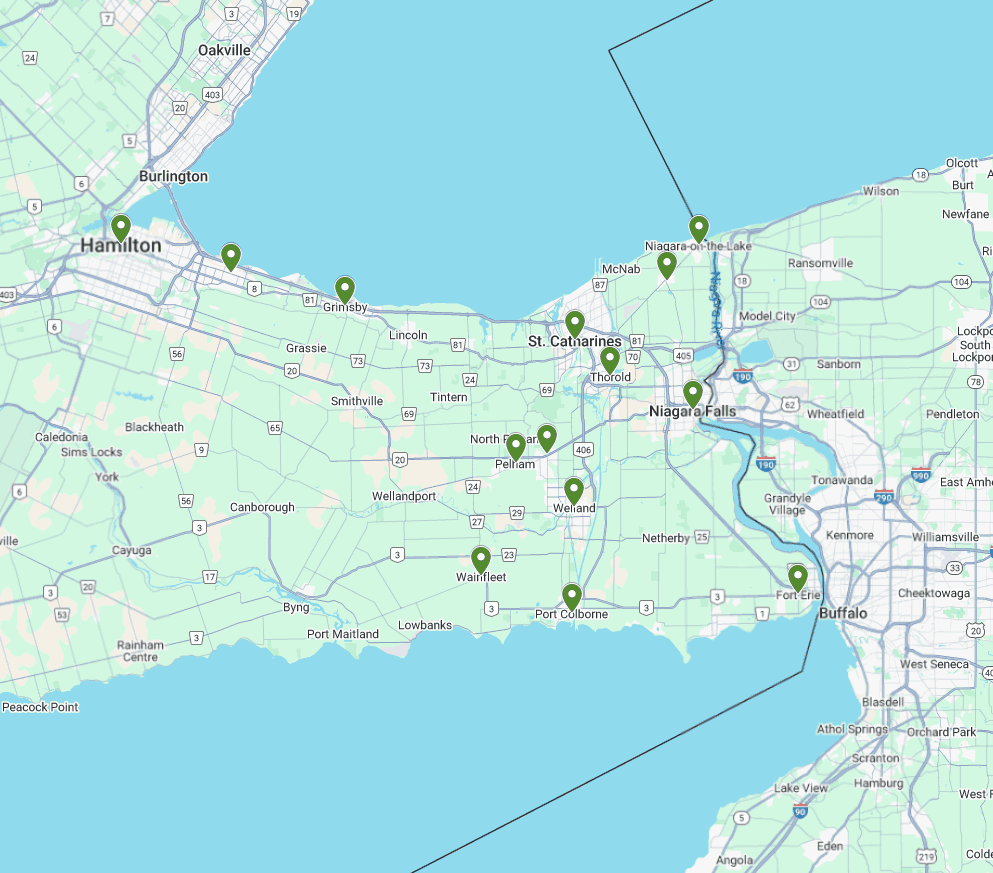
Service Areas
Our service areas encompass a wide range of locations, ensuring that we can meet the needs of our clients wherever they are. From bustling urban centers to serene rural landscapes, we are committed to providing top-notch services tailored to each unique environment.