



HVAC replacement in Fort Erie, ON delivers a practical guide to upgrading aging heating and cooling systems with energy efficiency and reliability. when replacement is warranted, outlines energy-efficient model options, and covers proper sizing using Manual J calculations and duct assessments. It details removal and disposal, financing and rebates, installation timelines, warranties, and how to balance upfront cost with long-term savings. Emphasis is placed on accurate load calculations, humid climate considerations, and choosing a system tailored to Niagara Region homes.
-min.jpeg)
HVAC Replacement in Fort Erie, ON
Replacing an aging or failing HVAC system is one of the most impactful home upgrades you can make for comfort, indoor air quality, and utility savings. In Fort Erie, ON, where humid Lake Erie summers and cold snowy winters place heavy seasonal demands on heating and cooling equipment, choosing the right replacement system and having it sized and installed correctly matters more than ever. This guide explains when replacement is necessary, energy-efficient options that suit Niagara Region homes, sizing and load considerations, removal and disposal practices, rebate and financing pathways, installation expectations, warranties, and how to weigh upfront cost against long-term savings.
When to consider HVAC replacement
If your system exhibits any of the following, replacement is worth evaluating rather than continuing repairs:
- Age: furnaces older than 15–20 years or air conditioners/heat pumps older than 10–15 years.
- Repeated breakdowns or rising repair frequency and cost.
- Dramatic increase in energy bills without a change in usage.
- Uneven temperatures, persistent hot/cold spots, or excessive humidity in summer.
- Loud, unusual noises or visible corrosion/leaks.
- Safety concerns such as cracked heat exchangers or frequent carbon monoxide trips.
- Use of obsolete refrigerant (older R22 systems) that is expensive or difficult to recharge.
Because Fort Erie homeowners face both humid summers and freezing winters, systems that struggle to dehumidify or maintain heat are often better replaced with modern, higher-efficiency equipment.
Energy-efficient model options for Fort Erie homes
Choosing the right technology affects comfort, operating cost, and eligibility for rebates. Key options include:
- High-efficiency gas furnaces: look for AFUE ratings of 95% or higher for significant winter savings.
- Central air conditioners: SEER ratings of 16+ deliver better cooling efficiency and lower summer bills — useful given Fort Erie’s humid summers.
- Heat pumps (air-source or cold-climate models): modern heat pumps efficiently heat and cool and perform well even in Ontario winters, reducing reliance on fossil fuels and improving year-round efficiency.
- Hybrid systems: combine a heat pump with a high-efficiency furnace to optimize performance across seasons.
- Ductless mini-splits: excellent for room additions or homes without ductwork; they provide zoned control and strong dehumidification.
- ENERGY STAR certified equipment: typically offers better performance and may qualify for program incentives.
When evaluating models, consider seasonal efficiency metrics (AFUE, SEER, HSPF), noise levels, and built-in humidity control features.
Proper sizing and load calculations
Correct sizing prevents short-cycling, poor humidity control, and premature wear. A proper replacement follows a structured approach:
- Home evaluation: measure conditioned square footage, insulation, window types, orientation, and occupancy.
- Manual J load calculation: industry-standard method to calculate heating and cooling loads specific to your home.
- Duct assessment: inspect size, layout, leaks, and insulation; undersized or leaky ducts reduce system effectiveness.
- Equipment selection: match unit capacity to the calculated load and intended airflow.
Oversizing is a common mistake. A unit too large for the calculated load will heat or cool quickly but will not run long enough to dehumidify properly, leading to higher bills and discomfort. Accurate load calculation is essential for Fort Erie homes where humidity control is important.
What to expect during removal and disposal
Safe, responsible removal of old equipment is part of the replacement:
- Decommissioning: refrigerant recovery (by certified technicians) and safe shutdown of the old unit.
- Disconnection: removal of gas, electrical, and refrigerant lines by qualified technicians.
- Disposal and recycling: metals and refrigerants are handled according to provincial and federal environmental rules; many components are recyclable.
- Site protection: technicians should protect flooring and landscaping, and leave the work area clean.
Older refrigerants and asbestos-containing components require special handling; disclosure and documentation are standard.
Financing and rebate information (overview)
Several financing and rebate pathways can reduce upfront cost or improve payback:
- Federal programs: Canada-wide grants and incentives for energy-efficient retrofits may apply to heat pumps and insulation upgrades.
- Provincial and local incentives: Ontario and regional programs sometimes offer rebates for high-efficiency heating and cooling equipment or heat pump installations.
- Manufacturer and utility rebates: seasonal incentives from equipment makers or local utilities may lower equipment cost.
- Financing options: many homeowners use low-interest loans, payment plans, or energy-efficient financing products to spread cost while capturing immediate energy savings.
Eligibility and amounts change over time; factor potential incentives into the total cost-benefit calculation when choosing equipment.
Installation timeline and what to expect
A professional HVAC replacement typically follows these stages:
- Pre-install assessment and formal quote, including load calculation and duct inspection.
- Scheduling and delivery of equipment (timing varies with model availability).
- Removal of old system and preparation of install site (1–2 days for a typical residential split system; more for complex retrofits).
- Installation: mounting, duct transitions, electrical and gas hookups, refrigerant charging, and control integration.
- Commissioning: system testing, airflow balancing, thermostat programming, and walkthrough of operation.
- Final checklist and documentation: warranty registration and maintenance advice.
Complex jobs (duct replacement, structural work, or switching fuel sources) add time. Weather in Fort Erie can affect scheduling during peak seasons.
Warranty options and post-installation care
Understand two warranty components:
- Manufacturer’s warranty: covers parts and compressor; lengths vary (commonly 5–10 years, longer for heat pumps or premium models).
- Labour warranty: covers installation workmanship; reputable installers provide a separate labour warranty for a defined period.
Keep all warranty documents, register equipment when required, and maintain regular professional servicing to preserve warranty coverage and optimize system life.
Cost vs. long-term savings
Replacement cost is balanced by:
- Reduced fuel and electricity use with high-efficiency equipment.
- Lower repair bills and fewer service calls.
- Increased home comfort and better humidity control in Fort Erie’s seasonal climate.
- Potential increase in home value and marketability.
- Incentives and rebates that shorten payback time.
A lifecycle view—annual energy savings multiplied across expected service life—often shows that higher-efficiency systems pay back the premium in 5–15 years depending on usage, local energy prices, and available incentives.
Final considerations for Fort Erie homeowners
When replacing HVAC in Fort Erie, prioritize accurate load calculations, equipment matched to humid summers and cold winters, and proper ductwork and dehumidification. Evaluate total cost of ownership, available rebates or financing, and warranty coverage. A carefully specified and professionally installed system will deliver better comfort, improved indoor air quality, and measurable energy savings that make the investment worthwhile over the long term.

Customer Testimonials

Very efficient company. I needed an old solar water heater removed from my roof. They were quick to book an appointment for the next day after I sent photos. They were very knowledgeable of the issue. The 2 guys that came were friendly and competent with the job, including removal of all parts.

I called John today at 2:pm as my AC was not working and I wasn’t expecting even a call back as I knew with this hot weather we have had he would be swamped with calls. Well he called me back and showed at 8:pm on the same day to fix my AC. That is just incredible service and how much John really cares about his clients. Thank you John !
I have used Niagara Home heating for multiple projects for over 16 years. John and his staff are absolutely the best. I tell all my friends and family about Niagara Home Heating because you won’t get any better service or pricing anywhere in Niagara. He has saved me thousands and thousands of dollars and has never let me down.
Lifesavers!! The AC in our house decided to quit the day we were passing the keys to the new owners!! Instead of making a service call to the house, John coached me through the minor repair over the phone, saving me the money and time waiting for a repair person to come.Much appreciated! Thanks again John
I had an issue with my hot water tank and called Niagara Home Heating. Their service was fantastic and reasonably priced—exactly how a business should be run!
We had an amazing experience getting our new furnace installed with Niagara Home Heating. The owner was very helpful, their quote was more then competitive and the technician who installed the unit was professional and friendly. I would recommend their services.

Service Areas
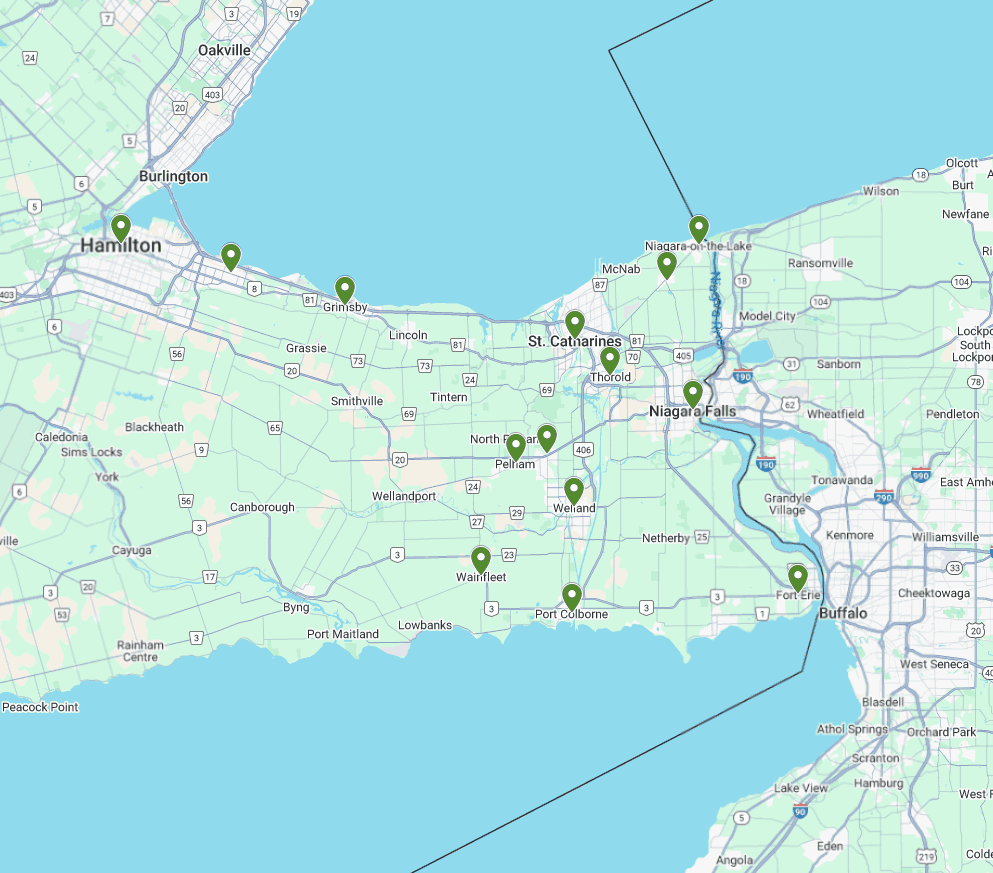
Our service areas encompass a wide range of locations, ensuring that we can meet the needs of our clients wherever they are. From bustling urban centers to serene rural landscapes, we are committed to providing top-notch services tailored to each unique environment.