



Emergency HVAC service in Grimsby, ON provides round-the-clock, rapid response to furnace outages, cooling failures, gas leaks, or CO concerns, prioritizing safety and comfort. It describes arrival procedures, on-site diagnostics, and temporary measures to restore operation while safeguarding residents. Technicians perform carbon monoxide and gas detection, electrical isolation, and combustion checks, followed by transparent pricing, written estimates, and clear repair or replacement options. Work is performed by certified technicians with ongoing safety training and appropriate warranties and follow-up.
.jpeg)
Emergency HVAC Service in Grimsby, ON
When your heating or cooling system fails at the worst possible moment, you need a fast, safe, and knowledgeable response. Emergency HVAC service in Grimsby, ON is specifically designed to restore comfort and safety quickly — whether it is a furnace outage during a January cold snap, an air conditioner failure on a humid July afternoon, a sudden system shutdown, or a potential gas or carbon monoxide concern. Below is a clear outline of what to expect from 24/7 emergency HVAC support in Grimsby, why prompt action matters in this area, and practical safety steps homeowners can take before help arrives.
Why emergency HVAC matters in Grimsby, ON
- Harsh winter cold and lake-effect weather from nearby Lake Ontario can make a heating failure urgent, creating safety and freeze-risk concerns in older homes.
- Summer humidity spikes put extra strain on AC systems and increase the likelihood of compressor or control failures.
- Many Grimsby homes are older or renovated, which can raise the chance of clogged vents, aged furnaces, or outdated controls that fail under extreme conditions.
- Rapid response reduces risk of property damage (frozen pipes, water from failed condensate lines) and health hazards (carbon monoxide exposure).
Common emergency HVAC scenarios in Grimsby
- No heat during cold weather (furnace won't ignite, pilot issues, failed ignition controls)
- No cooling on very hot or humid days (compressor failure, refrigerant leak, electrical trip)
- Sudden system shutdowns or repeated short-cycling
- Strong gas smell or suspected gas leak
- Carbon monoxide alarm activation or suspected CO exposure
- Visible smoke, burning smells, or electrical arcing from HVAC equipment
- Water leaks from condensate lines, overflowing pans, or burst components
- Complete power loss to HVAC equipment after storms or outages
Rapid-response procedures (what a professional team will do)
- Initial triage: Dispatch will assess your situation over the phone to prioritize safety concerns (CO or gas smell, exposed wiring) and give arrival ETA.
- Safe arrival and scene control: Technician arrives with PPE, gas and CO detectors, and a stocked service vehicle. They will ask about alarms and recent symptoms and set up safety barriers if required.
- Immediate safety checks: Continuous monitoring for carbon monoxide and natural gas, verification of proper ventilation, visual electrical inspection, and isolation of dangerous components before diagnostics.
- On-site diagnostics: Systematic troubleshooting using voltage and pressure checks, control board diagnostics, combustion analysis for furnaces, and leak-detection tools for refrigerant or gas.
- Temporary measures to restore operation: When possible and safe, technicians perform temporary repairs or bypasses to restore heating or cooling while preserving safety and equipment integrity.
- Presenting options: After diagnosis, technicians provide clear, written options — from temporary fixes and full repairs to replacements — with explanation of risks and benefits of each path.
On-site diagnostic and safety checks explained
- Carbon monoxide and gas detection: Continuous monitoring to confirm safe indoor air before any work proceeds.
- Electrical isolation: Ensuring breakers and disconnects are handled safely to prevent shocks or trips.
- Combustion and venting inspection: Checking furnace flame patterns, vent integrity, and carbon monoxide levels.
- Refrigerant and pressure testing: For AC and heat pumps, verifying refrigerant levels and system pressures to detect leaks or compressor issues.
- Component-level inspection: Thermostats, limit switches, ignition modules, motors, and control boards examined to find root causes rather than temporary fixes.
Temporary repairs vs full repairs and replacements
- Temporary repairs: Designed to safely restore operation until a permanent solution is arranged. Examples include replacing a failed fuse or capacitor, temporarily patching a condensate line, or resetting safety controls after a short-term issue.
- Full repairs: Complete component replacements or thorough system repairs that address root causes, often backed by parts warranties and labor assurances.
- Replacement options: When systems are irreparable, unsafe, or inefficient, technicians will present replacement options with efficiency, capacity, and installation considerations tailored to Grimsby homes (insulation levels, home size, and local climate loads).
Transparent emergency pricing and authorization process
- Emergency service typically involves a prioritized dispatch and on-site diagnostic cost; reputable providers explain these components before work begins.
- Technicians will provide written estimates for any temporary or permanent work and will request clear authorization before performing repairs beyond diagnostic steps.
- Emergency pricing transparency means disclosure of diagnostic fees, labor rates for emergency hours, and part costs, along with warranty coverage on any emergency repairs performed.
Technician qualifications and certifications
- Emergency HVAC technicians serving Grimsby hold current provincial and industry credentials, such as Ontario Gas Technician certification (G2) for gas-fired appliances, applicable Red Seal or trade certifications, and manufacturer-specific training for major brands.
- Technicians receive ongoing safety training, are equipped for combustion analysis and refrigerant handling, and follow provincial safety standards and TSSA (or equivalent) regulations where required.
- Many teams also maintain WSIB coverage, vehicle and tool insurance, and conduct background checks for residential service visits.
Warranty, documentation, and follow-up
- Emergency repairs will include documentation of work performed, safety checks, and recommended follow-up actions.
- Parts and labor may carry short-term warranties; technicians will clarify warranty details and next steps for permanent repairs or replacements.
- Follow-up service often includes scheduling non-emergency repairs, performance verification, and recommendations for preventive maintenance to avoid repeat emergencies.
Customer safety instructions (immediate steps to take)
- If a CO alarm is sounding or you suspect carbon monoxide: evacuate the home immediately, move to fresh air, and follow local emergency guidance for medical attention.
- If you smell gas: do not operate electrical switches or appliances; evacuate the home and contact your gas utility and emergency services as appropriate.
- If the system is making unusual noises, emitting smoke, or showing sparks: shut off power to the HVAC system at the breaker panel if it is safe to do so and leave the area.
- For loss of heat in freezing conditions: open cabinet doors to allow heat to circulate to vulnerable plumbing, and consider temporary measures to protect pipes (pipe insulation, controlled water drip) while waiting for professional service.
- Keep children and pets away from compromised equipment and avoid attempting complex repairs yourself.
Why timely emergency HVAC service saves money and risk
- Fast professional response minimizes property damage, reduces health risks, and often prevents small issues from becoming costly replacements.
- Proper emergency interventions protect warranties and ensure any required permanent repairs are completed with safety and code compliance in mind.
- Following an emergency visit with scheduled maintenance reduces the likelihood of repeat failures during extreme Grimsby weather.
What to expect when requesting emergency service
- Emergency dispatching typically asks for location, symptoms, and safety details to triage the call. The provider will confirm ETA and advise on immediate safety steps while a technician is en route.
- On arrival, expect a full safety evaluation, on-site diagnostics, a written assessment, and clear options for restoring operation either temporarily or permanently.
Emergency HVAC service in Grimsby, ON focuses on restoring safe, reliable heat and cooling quickly while protecting your home and family from the added risks of weather extremes, gas or CO issues, and system failure. Clear processes, certified technicians, and documented follow-up ensure that urgent situations are handled with both speed and care.

Customer Testimonials

We had an amazing experience getting our new furnace installed with Niagara Home Heating. The owner was very helpful, their quote was more then competitive and the technician who installed the unit was professional and friendly. I would recommend their services.

I had an issue with my hot water tank and called Niagara Home Heating. Their service was fantastic and reasonably priced—exactly how a business should be run!
Lifesavers!! The AC in our house decided to quit the day we were passing the keys to the new owners!! Instead of making a service call to the house, John coached me through the minor repair over the phone, saving me the money and time waiting for a repair person to come.Much appreciated! Thanks again John
I have used Niagara Home heating for multiple projects for over 16 years. John and his staff are absolutely the best. I tell all my friends and family about Niagara Home Heating because you won’t get any better service or pricing anywhere in Niagara. He has saved me thousands and thousands of dollars and has never let me down.
Very efficient company. I needed an old solar water heater removed from my roof. They were quick to book an appointment for the next day after I sent photos. They were very knowledgeable of the issue. The 2 guys that came were friendly and competent with the job, including removal of all parts.
I called John today at 2:pm as my AC was not working and I wasn’t expecting even a call back as I knew with this hot weather we have had he would be swamped with calls. Well he called me back and showed at 8:pm on the same day to fix my AC. That is just incredible service and how much John really cares about his clients. Thank you John !

Service Areas
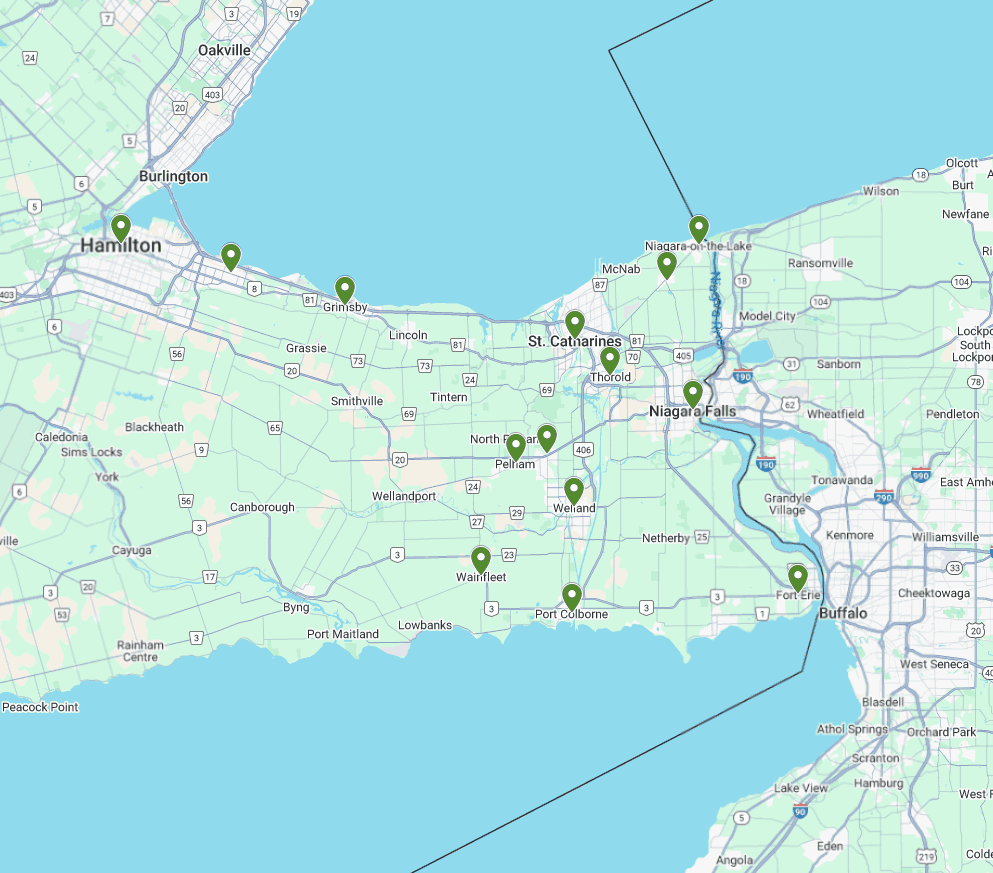
Our service areas encompass a wide range of locations, ensuring that we can meet the needs of our clients wherever they are. From bustling urban centers to serene rural landscapes, we are committed to providing top-notch services tailored to each unique environment.