



Grimsby homeowners can upgrade their comfort and energy efficiency with a professionally planned HVAC replacement. This guide covers when replacement makes sense, how on-site assessments determine proper system capacity, and the benefits of high-efficiency furnaces, air conditioners, heat pumps, and ductless options. It describes the installation timeline, warranties, and financing, then outlines expected performance improvements and long-term cost savings. The emphasis is on accurate sizing, quality workmanship, and choosing a system that meets Grimsby’s climate.
.jpeg)
HVAC Replacement in Grimsby, ON
Upgrading your HVAC system is one of the most impactful investments you can make for comfort, indoor air quality, and long-term energy savings in Grimsby homes. Because Grimsby sits on the shore of Lake Ontario and experiences cold, snowy winters and warm, humid summers, the right-sized, energy-efficient heating and cooling system is essential to keep your home comfortable year round while controlling utility costs.
Why replace your HVAC system now
- Older systems lose efficiency, break down more often, and can cost significantly more to operate in Grimsby’s seasonal extremes.
- Frequent repairs, uneven temperatures, rising energy bills, and indoor air quality concerns are common signs your system is near end of life.
- New systems deliver measurable benefits: improved comfort, quieter operation, better humidity control in humid summer months, and lower energy bills during long Ontario winters.
Common HVAC replacement scenarios in Grimsby
- Furnaces older than 15 to 20 years with low AFUE (seasonal efficiency) ratings
- Air conditioners or heat pumps failing during peak cooling season
- Right-sizing issues: oversized or undersized equipment causing short cycling or inability to maintain setpoint
- Homes with leaky or undersized ductwork, especially in older Grimsby properties
- Homeowners looking to switch from fuel-based heating to high-efficiency heat pumps for lower carbon footprint and operating cost savings
What an on-site assessment includes
A proper HVAC replacement begins with a comprehensive on-site assessment tailored to Grimsby homes:
- Visual inspection of existing equipment, ducts, and mechanical room
- Attic and basement checks for insulation and ventilation that affect system sizing
- Measurement of existing duct leakage and airflow where relevant
- Industry-standard load calculations to determine proper system capacity (Manual J style load calculation explained in simple terms below)
- Discussion of comfort goals, indoor air quality needs, and budget constraints
What is a load calculation?
- A load calculation estimates the actual heating and cooling needs of your home based on square footage, insulation, window sizes and orientation, air leakage, and local climate conditions.
- This prevents undersizing (inadequate comfort) or oversizing (short cycling, higher costs), ensuring the replacement matches your Grimsby home’s needs.
System options and energy-efficient models
We explain the practical differences between replacement options so you can choose with confidence:
- High-efficiency condensing furnaces: Look for higher AFUE ratings (for example, 90% to 98% AFUE). These are a strong option for homes that remain on natural gas.
- Central air conditioners: Higher SEER ratings mean lower cooling costs. In Grimsby summers, a higher SEER unit improves comfort and reduces electric consumption.
- Heat pumps (cold-climate models): Modern heat pumps can provide both heating and cooling efficiently, often cutting heating costs significantly compared to older electric or fuel systems, and they handle Grimsby’s climate better than earlier models.
- Ductless mini-split systems: Excellent for zone control, room additions, or homes without existing ductwork.
- Hybrid systems: Combine a heat pump with a furnace for optimized performance across the season.
We discuss the trade-offs between upfront cost, operating cost, and longevity so you can weigh what matters most for your household.
Removal and disposal
Replacement includes safe removal and responsible disposal of old equipment:
- Refrigerant recovery and recycling in accordance with provincial regulations
- Recycling of metals and components to reduce landfill
- Proper decommissioning of fuel lines or gas connections
- Clearance of the job site so your home is left clean and ready for the new system
Typical installation timeline
- Simple furnace or AC swap: often completed in 1 day
- Heat pump or combined systems: typically 1 to 2 days, depending on electrical upgrades and outdoor unit work
- Larger replacements involving duct modifications, structural work, or electrical panel upgrades: 2 to 4 days or more
- Timelines factor in equipment delivery, permit requirements, and any needed duct or insulation upgrades
Warranty and protection explained
- Manufacturer warranties cover the equipment (compressors, heat exchangers, etc.) and vary by brand and model.
- Installation or labour warranties cover the workmanship of the replacement. Both matter: a strong installation warranty protects you if problems arise early.
- Register new equipment with the manufacturer and follow required maintenance schedules to keep warranties valid.
Rebates, financing, and cost assistance for Grimsby homeowners
- Federal and provincial rebate programs and low-interest loan options are often available for high-efficiency equipment and heat pumps. Rebates can significantly reduce net cost.
- Energy-efficiency incentives may change, so reviewing current programs and eligibility is an important part of planning.
- Financing options can spread replacement costs over time to align with household budgets.
- We explain typical documentation required for rebates so you can prepare in advance.
Expected performance and cost-savings after replacement
- Upgrading from an older furnace (for example, 60% to 80% AFUE) to a modern high-efficiency unit (90% to 98% AFUE) can reduce heating fuel use substantially. Typical household savings vary but commonly fall in the 15% to 30% range depending on usage and fuel type.
- Replacing a 10-year-old air conditioner with a modern high SEER unit often reduces cooling energy use by 20% to 40% during Grimsby’s warm months.
- Switching to a cold-climate heat pump from an older electric or fossil fuel system can produce even larger combined heating and cooling savings and reduce greenhouse gas emissions.
- Long-term savings depend on factors like insulation, thermostat settings, and maintenance; sealing ducts and improving attic insulation in older Grimsby homes amplifies efficiency gains.
Post-installation expectations and maintenance
- After installation you should expect steady temperature control, quieter operation, and improved humidity handling.
- Annual tune-ups preserve efficiency and help detect issues before they become costly.
- Simple homeowner practices—programmable thermostat use, filter changes, and ensuring outdoor units stay clear of debris—extend equipment life and maintain performance.
Final considerations for Grimsby homeowners
Replacing your HVAC system is a technical decision with important comfort and financial outcomes. A properly sized, professionally installed, energy-efficient system reduces operating costs, adapts to Grimsby’s seasonal demands, and improves indoor comfort and air quality. Evaluating equipment efficiency (AFUE, SEER, HSPF), realistic installation timelines, warranty coverage, and available rebate or financing options ensures your replacement delivers predictable performance and long-term value for your home.

Customer Testimonials

I called John today at 2:pm as my AC was not working and I wasn’t expecting even a call back as I knew with this hot weather we have had he would be swamped with calls. Well he called me back and showed at 8:pm on the same day to fix my AC. That is just incredible service and how much John really cares about his clients. Thank you John !

Lifesavers!! The AC in our house decided to quit the day we were passing the keys to the new owners!! Instead of making a service call to the house, John coached me through the minor repair over the phone, saving me the money and time waiting for a repair person to come.Much appreciated! Thanks again John
I had an issue with my hot water tank and called Niagara Home Heating. Their service was fantastic and reasonably priced—exactly how a business should be run!
We had an amazing experience getting our new furnace installed with Niagara Home Heating. The owner was very helpful, their quote was more then competitive and the technician who installed the unit was professional and friendly. I would recommend their services.
Very efficient company. I needed an old solar water heater removed from my roof. They were quick to book an appointment for the next day after I sent photos. They were very knowledgeable of the issue. The 2 guys that came were friendly and competent with the job, including removal of all parts.
I have used Niagara Home heating for multiple projects for over 16 years. John and his staff are absolutely the best. I tell all my friends and family about Niagara Home Heating because you won’t get any better service or pricing anywhere in Niagara. He has saved me thousands and thousands of dollars and has never let me down.

Service Areas
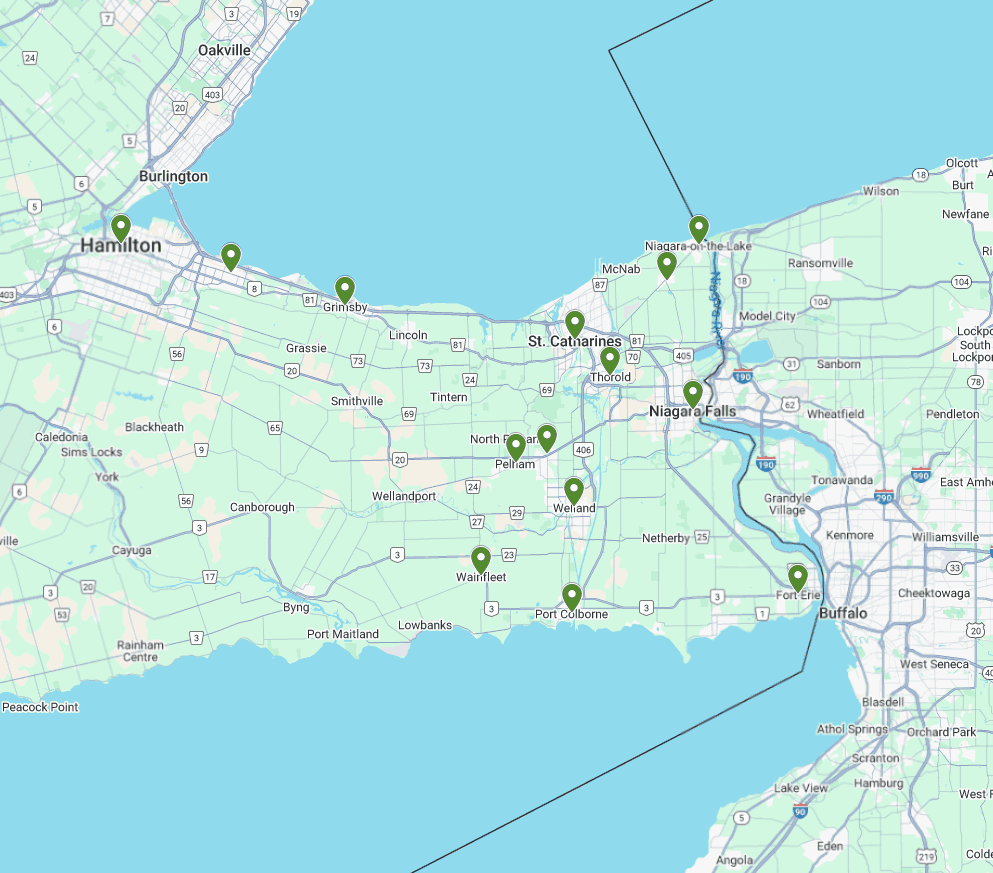
Our service areas encompass a wide range of locations, ensuring that we can meet the needs of our clients wherever they are. From bustling urban centers to serene rural landscapes, we are committed to providing top-notch services tailored to each unique environment.