



HVAC installation in Grimsby, ON outlines a professional, climate-aware approach to upgrading or replacing heating and cooling systems. The guide covers sizing accuracy, ductwork preparation, and peak efficiency through high AFUE and SEER-rated equipment, plus modern controls and indoor air quality options. It emphasizes pre-install consultation, load calculations, and site preparation to minimize disruptions and future service calls. It also details installation steps, commissioning, permits, warranties, and homeowner instructions to ensure reliable performance, energy savings, and long-term comfort in Grimsby’s seasonal climate.
.jpeg)
HVAC Installation in Grimsby, ON
A properly planned and professionally executed HVAC installation is one of the best investments you can make for comfort, energy savings, and indoor air quality in Grimsby, ON. Whether you are replacing an aging furnace or installing a new heat pump and air conditioner, the installation process determines long-term performance. In Grimsby homes, where cold winter nights and humid summer days are common due to the Lake Ontario microclimate, correct sizing, ductwork, and commissioning are critical to avoid uneven heating, high energy bills, and premature equipment failure.
Why a professional HVAC installation matters in Grimsby, ON
- Local climate: Colder-than-average winters require reliable heating capacity while humid summers demand efficient cooling and dehumidification. Equipment must be selected for both extremes.
- Older housing stock: Many Grimsby homes have older ducts, insulation, and limited utility access that influence system selection and layout.
- Long-term cost: Proper installation reduces energy use and service calls, protects warranties, and preserves resale value.
Common HVAC installation issues in Grimsby, ON
- Incorrect sizing: Too-large or too-small equipment leads to short-cycling, poor humidity control, and wasted energy.
- Inadequate ductwork: Leaks, poor sealing, and wrong sizing reduce system efficiency and comfort.
- Improper placement: Outdoor units improperly sited can be impacted by snow drift, debris, or poor airflow.
- Electrical or venting oversights: Old panels or flues that are not upgraded can create safety or performance problems.
- Code and permit lapses: Missing permits or noncompliant installations can delay occupancy approvals or affect insurance and resale.
Pre-install consultation and assessment
A thorough pre-install consultation includes:
- Home evaluation: Inspecting insulation levels, windows, existing ductwork, and mechanical room constraints.
- Load calculation: Performing a Manual J or equivalent to determine correct heating and cooling capacity based on your home, not rule-of-thumb estimates.
- Utility review: Checking electrical panel capacity, gas line sizing, and any required upgrades.
- Options briefing: Comparing system types (furnace, condensing boiler, air-source heat pump, ductless mini-splits, or hybrid systems), brand choices, and efficiency ratings like AFUE and SEER.This step ensures the new system matches Grimsby climate demands and your comfort priorities.
System selection: brand, capacity, and features
When choosing a system, consider:
- Capacity matched to load calculations rather than house size alone.
- Efficiency ratings: Higher AFUE for boilers/furnaces and higher SEER/HSPF for cooling and heat pumps reduce seasonal costs.
- Variable-speed motors and inverter compressors for consistent comfort and humidity control.
- Compatibility with existing ductwork or the need for duct modifications.
- Indoor air quality options like advanced filtration, ERV/HRV, and whole-home humidification or dehumidification.Selecting the right combination minimizes operating costs and improves comfort during Grimsby’s humid summers and cold winters.
Ductwork and site preparation
Quality installation starts with the site:
- Duct inspection and recommendations: Repairing leaks, adjusting sizes, adding returns or zoning as needed.
- Removing obstacles and protecting flooring and finishes in the work area.
- Determining outdoor unit location to avoid snow accumulation and allow proper airflow during seasonal winds from Lake Ontario.
- Ensuring clear access for future service and maintenance.
Professional installation steps
Installations generally follow a structured process:
- Finalize equipment and materials list based on the pre-install assessment.
- Coordinate any electrical, gas, or structural work required before equipment arrival.
- Install indoor equipment (furnace/air handler, evaporator coil, controls) and make duct connections with proper sealing.
- Place and secure outdoor condensing or heat pump unit on a stable pad above potential snow levels.
- Connect refrigerant lines, condensate drains, gas piping, and electrical wiring following manufacturer and code specifications.
- Charge refrigerant and perform safety checks for combustion appliances if applicable.
Each step includes quality checks to avoid common problems like improper refrigerant charge or poor duct sealing that reduce efficiency.
Post-install testing and commissioning
Commissioning ensures systems operate as intended:
- Verify proper refrigerant charge, airflow, and static pressure.
- Test thermostat operation, staging, and any zoning controls.
- Confirm safety controls and combustion efficiency where applicable.
- Walk-through with the homeowner to explain operation, filter locations, and basic troubleshooting.Commissioning improves efficiency and helps preserve warranties.
Permits, code compliance, and warranties
- Permits and inspections: Local permits ensure installations meet Ontario and regional codes. Proper permitting protects safety, compliance, and future property transactions.
- Code compliance: All gas, electrical, and mechanical work must comply with current standards.
- Warranty coverage: New equipment typically includes manufacturer warranties; proper installation by certified professionals is often a requirement to keep those warranties valid. Ask about warranty terms for parts and labor and what homeowner maintenance is required to maintain coverage.
Customer care and homeowner instructions
After installation, owners should receive clear guidance on:
- Filter type and replacement frequency to maintain airflow and air quality.
- Thermostat programming and seasonal settings to optimize comfort and efficiency.
- Recognizing common warning signs that need professional attention, such as unusual noises, persistent odor, or rapid cycling.
- Recommended maintenance schedule: annual heating tune-up before winter and cooling tune-up before summer to prevent mid-season failures.
Long-term benefits and maintenance tips
A properly installed HVAC system delivers:
- Lower energy bills through matched capacity and high-efficiency components.
- Improved comfort with consistent temperature and humidity control.
- Greater equipment longevity and fewer emergency repairs.
- Better indoor air quality and reduced allergen circulation.Simple homeowner maintenance extends benefits: change filters regularly, keep outdoor units clear of debris and snow, and schedule annual professional inspections.
A careful, local-minded installation approach tailored to Grimsby’s climate and housing characteristics ensures your new HVAC system performs reliably, runs efficiently, and provides comfortable indoor air year round.

Customer Testimonials

Very efficient company. I needed an old solar water heater removed from my roof. They were quick to book an appointment for the next day after I sent photos. They were very knowledgeable of the issue. The 2 guys that came were friendly and competent with the job, including removal of all parts.

Lifesavers!! The AC in our house decided to quit the day we were passing the keys to the new owners!! Instead of making a service call to the house, John coached me through the minor repair over the phone, saving me the money and time waiting for a repair person to come.Much appreciated! Thanks again John
We had an amazing experience getting our new furnace installed with Niagara Home Heating. The owner was very helpful, their quote was more then competitive and the technician who installed the unit was professional and friendly. I would recommend their services.
I had an issue with my hot water tank and called Niagara Home Heating. Their service was fantastic and reasonably priced—exactly how a business should be run!
I have used Niagara Home heating for multiple projects for over 16 years. John and his staff are absolutely the best. I tell all my friends and family about Niagara Home Heating because you won’t get any better service or pricing anywhere in Niagara. He has saved me thousands and thousands of dollars and has never let me down.
I called John today at 2:pm as my AC was not working and I wasn’t expecting even a call back as I knew with this hot weather we have had he would be swamped with calls. Well he called me back and showed at 8:pm on the same day to fix my AC. That is just incredible service and how much John really cares about his clients. Thank you John !

Service Areas
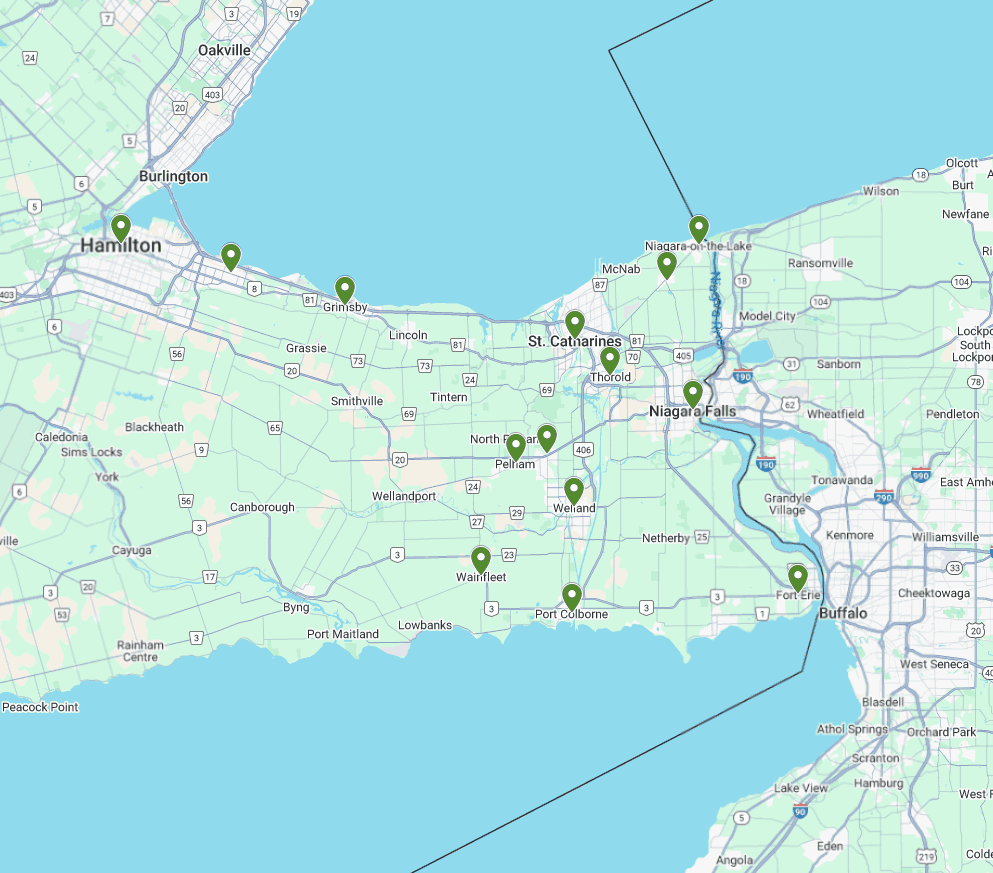
Our service areas encompass a wide range of locations, ensuring that we can meet the needs of our clients wherever they are. From bustling urban centers to serene rural landscapes, we are committed to providing top-notch services tailored to each unique environment.