



Grimsby homeowners can rely on thorough HVAC repair services to restore comfort and protect equipment. It describes common furnace, AC, heat pump, and ductless system issues, and describes a meticulous diagnostic process from safety checks to refrigerant and electrical testing. It highlights transparent pricing, clear warranties, and repair-versus-replacement guidance, along with prevention strategies to reduce future breakdowns. The result is a lasting, energy-efficient solution backed by clear communication, on-time service, and local expert knowledge of Niagara Region conditions.
.jpeg)
HVAC Repair in Grimsby, ON
A reliable HVAC system is essential for comfort and safety in Grimsby homes. With humid summers, lake-effect precipitation, and cold winter snaps, heating and cooling equipment in the Niagara Region works hard year-round. When a furnace, air conditioner, heat pump, or ductless system fails, fast, knowledgeable HVAC repair in Grimsby, ON prevents discomfort, reduces energy waste, and protects equipment from further damage.
Common HVAC problems in Grimsby homes
Understanding typical failures helps you identify when professional repair is required. Common issues we see locally include:
- Furnace (gas/electric)
- No heat, frequent short cycling, or failure to ignite
- Strange noises, blower motor failure, or fluctuating temperatures
- Safety shutdowns caused by blocked vents, clogged filters, or flame sensor issues
- Air conditioner
- Insufficient cooling, warm spots, or reduced airflow
- Leaking refrigerant, frozen evaporator coils, or compressor trouble
- Electrical failures such as failed capacitors or contactors
- Heat pump
- Poor heating performance in cold snaps, defrost cycle problems
- Reversing valve or compressor faults, refrigerant leaks
- Short cycling or noisy operation during seasonal transitions
- Ductless (mini-split)
- Indoor unit not cooling/heating, communication errors
- Ice buildup, condensate drain issues, or inverter failures
- Remote control or sensor malfunctions
These symptoms often have overlapping causes; a professional diagnostic isolates the root cause and avoids unnecessary replacements.
How we diagnose HVAC problems in Grimsby
A consistent, thorough diagnostic process distinguishes a repair that lasts from a temporary fix. Typical diagnostic steps include:
- Safety and visual inspection
- Verify safe operating conditions, check gas lines and carbon monoxide risks, inspect electrical wiring and panels, and look for obvious damage, rust, or rodent activity.
- System startup and observation
- Run the system to reproduce symptoms: listen for unusual noises, watch for error codes, check system cycles, and assess airflow and temperature differentials.
- Electrical and control testing
- Test capacitors, relays, contactors, thermostats, control boards, and voltage to pinpoint electrical failures.
- Refrigerant and pressure checks (AC/heat pump)
- Measure refrigerant pressures, test for leaks, inspect expansion devices and metering components, and evaluate compressor health.
- Combustion and ventilation checks (furnace/boiler)
- Inspect burners, ignition systems, heat exchanger condition, flue venting, and safety interlocks.
- Duct and indoor air evaluation
- Assess airflow, duct leakage, filter condition, and indoor air quality items that can affect performance.
After diagnosis you receive a clear explanation of findings, why the issue occurred, and the recommended repair options.
Emergency response and scheduling for Grimsby repairs
Grimsby homes may need urgent service during extreme heat or cold. Emergency HVAC response typically prioritizes life-safety situations (no heat in deep winter, carbon monoxide alarms, or complete system failure for vulnerable occupants). Standard service appointments address non-critical issues and planned repairs.
- Same-day response: For urgent but non-life-threatening failures, technicians aim to arrive within the same day when possible, carry commonly used parts, and provide a complete on-site assessment.
- After-hours service: Emergency coverage for furnace failures and safety concerns is available to reduce risk during nights and weekends.
- What to expect on arrival: Technicians arrive prepared with diagnostic tools, protective floor coverings, and an explanation of the issue, repair options, and an estimated timeline for completing repairs.
Timing may vary with weather conditions; Grimsby’s seasonal demand spikes can affect technician availability during storms or cold snaps.
Typical repair processes and parts commonly replaced
Repairs follow industry best practices to restore safe, efficient operation while maximizing remaining equipment life. Common repair steps include cleaning and calibrating components, tightening and replacing electrical parts, repairing leaks, and replacing worn mechanical parts.
Frequently replaced parts:
- Furnaces: ignition modules, flame sensors, limit switches, blower motors, control boards, pressure switches
- Air conditioners: capacitors, contactors, compressors, expansion valves, evaporator/coils, condensate pumps
- Heat pumps: reversing valves, compressors, defrost controls, thermostats, reversing solenoids
- Ductless systems: PCB control boards, inverter modules, indoor fan motors, refrigerant line repairs
When the heat exchanger is cracked, or a compressor is severely damaged, replacement is often safer and more cost-effective than repair. Technicians explain the long-term costs and energy implications of repair versus replacement so you can make an informed decision.
Transparent pricing, warranties, and guarantees
Transparent repair pricing means you receive a written estimate that breaks down the diagnostic fee, parts, labor, and warranty coverage. Estimates typically present repair options and any alternatives, such as component replacement versus system replacement, and clarify any potential follow-up costs.
- Diagnostic clarity: A detailed service report explains the root cause, recommended work, and expected timeline without hidden fees.
- Parts and labor warranties: Repairs are typically backed by manufacturer warranties on parts and a labor guarantee from the service provider. Coverage details (duration and exclusions) are provided in writing before work is started.
- Repair guarantees: Many repairs include a service warranty period during which returned-fix work is performed if the same issue recurs due to the original repair.
This level of transparency helps protect your investment and provides peace of mind in both immediate repairs and longer-term equipment planning.
Prevention and maintenance to reduce future repairs
Regular maintenance extends equipment life and lowers the likelihood of emergency repairs—especially important with Grimsby’s variable climate. Recommended preventive steps include:
- Seasonal tune-ups before cooling and heating seasons to verify system pressures, clean coils, inspect burners, and lubricate moving parts.
- Regular filter changes and ensuring vents register are unobstructed.
- Duct inspection and sealing to improve airflow and efficiency.
- Clearing outdoor units of debris and addressing corrosion from lake-effect moisture.
- Installing and calibrating programmable thermostats to reduce strain and energy use.
Timely maintenance minimizes costly emergency repairs and improves comfort and efficiency in your home.
Timely, professional HVAC repair in Grimsby, ON restores comfort, protects system lifespan, and reduces energy costs. A methodical diagnosis, transparent pricing, clear warranty terms, and a focus on preventative care ensure repairs deliver reliable performance throughout the seasons.

Customer Testimonials

I had an issue with my hot water tank and called Niagara Home Heating. Their service was fantastic and reasonably priced—exactly how a business should be run!

I called John today at 2:pm as my AC was not working and I wasn’t expecting even a call back as I knew with this hot weather we have had he would be swamped with calls. Well he called me back and showed at 8:pm on the same day to fix my AC. That is just incredible service and how much John really cares about his clients. Thank you John !
I have used Niagara Home heating for multiple projects for over 16 years. John and his staff are absolutely the best. I tell all my friends and family about Niagara Home Heating because you won’t get any better service or pricing anywhere in Niagara. He has saved me thousands and thousands of dollars and has never let me down.
Lifesavers!! The AC in our house decided to quit the day we were passing the keys to the new owners!! Instead of making a service call to the house, John coached me through the minor repair over the phone, saving me the money and time waiting for a repair person to come.Much appreciated! Thanks again John
We had an amazing experience getting our new furnace installed with Niagara Home Heating. The owner was very helpful, their quote was more then competitive and the technician who installed the unit was professional and friendly. I would recommend their services.
Very efficient company. I needed an old solar water heater removed from my roof. They were quick to book an appointment for the next day after I sent photos. They were very knowledgeable of the issue. The 2 guys that came were friendly and competent with the job, including removal of all parts.

Service Areas
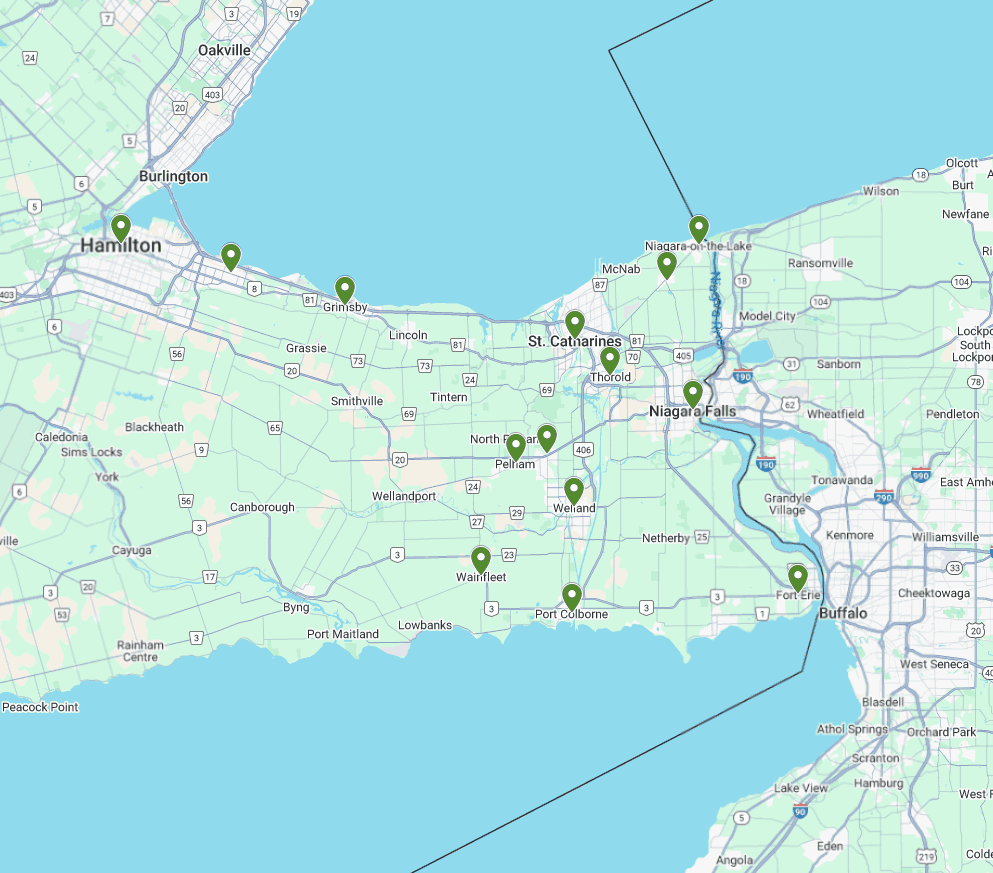
Our service areas encompass a wide range of locations, ensuring that we can meet the needs of our clients wherever they are. From bustling urban centers to serene rural landscapes, we are committed to providing top-notch services tailored to each unique environment.