



Emergency HVAC service in St Catharines, ON delivers fast, professional on-site triage, safe temporary measures, and clear paths to permanent repair or replacement. The guide outlines why rapid response matters, common issues from furnace and heat pump failures to CO alarms, and a tested on-site diagnostic process. It covers temporary fixes, safety checks for carbon monoxide, gas leaks, and electrical hazards, plus transparent communication, warranty expectations, and practical maintenance tips to reduce future emergencies. Experienced technicians arrive prepared to help.
-min.jpeg)
Emergency HVAC Service in St Catharines, ON
When an HVAC system fails unexpectedly, the consequences in St Catharines can be immediate: freezing bedrooms on a January night, a stalled heat pump during a humid July heatwave, or the risk of carbon monoxide exposure in an older bungalow. Emergency HVAC service is about more than speed — it is about safe, correct triage, clear diagnostics, and temporary measures that protect your family and home until a full repair or replacement is completed.
Why emergency HVAC service matters in St Catharines
St Catharines experiences cold winters, humid summers, and rapid temperature swings in spring and fall. These conditions increase stress on furnaces, heat pumps and air conditioners, making mid-season failures common. Older homes in many neighbourhoods may also have aging ductwork, legacy gas lines or older furnaces that are more prone to emergency failures. Fast, professional emergency response reduces safety risks, prevents secondary damage (frozen pipes, mold from poor cooling), and often avoids costly full-system replacements.
Common emergency HVAC issues in St Catharines homes
- Furnace failures during cold snaps: pilot outages, ignition control faults, blocked vents, or a failed limit switch.
- Heat pump breakdowns in shoulder seasons: compressor failures, frozen outdoor units, or control board faults.
- Air conditioner failures in humid heat: refrigerant leaks, compressor seize, or electrical failures leading to loss of cooling.
- Sudden loss of power to the system: tripped breakers, failed capacitors, or damaged thermostats.
- Carbon monoxide alarm activations or the smell of gas: blocked flue, cracked heat exchanger, or gas valve issues.
- Water leaks and condensate failures: clogged drain lines causing overflow and potential basement or ceiling damage.
- Unusual noises or vibrations indicating imminent mechanical failure.
Rapid-response procedures: on-site diagnostics and triage
A professional emergency visit follows a predictable, safety-first process:
- Safety assessment on arrival: visual inspection for gas smell, CO alarm status, electrical hazards, and obvious water damage.
- Containment and temporary measures: shut down gas/electrical supply if unsafe, isolate affected zones, and provide temporary heat or ventilation where possible.
- System diagnostics: quick tests of power, controls, fuel supply, ignition systems, refrigerant pressures, and electrical components to identify the root cause.
- Communication of findings: clear explanation of the issue, short-term mitigation options and recommended next steps.
- Immediate repairs where possible: replace a failed control, clear a blocked vent, reset and test safety switches, or install temporary parts to restore essential function until permanent repairs can be scheduled.
Common emergency repairs and temporary solutions
- Replacing failed ignition modules or pilot assemblies to restore furnace heat.
- Emergency capacitor or contactor swaps to bring an AC or heat pump back on-line.
- Clearing condensate lines and installing temporary flood prevention.
- Isolating and capping a leaking refrigerant line and providing short-term cooling alternatives.
- Installing or repairing temporary venting to eliminate CO risk while arranging full repair.
- Bypassing or replacing failed thermostats to restore control of the system.
Temporary solutions prioritize occupant safety and short-term comfort while preserving the system for later comprehensive repair.
Safety checks: carbon monoxide, gas leaks and electrical hazards
Safety is the top priority in any emergency HVAC call. A full safety protocol includes:
- Testing for carbon monoxide with calibrated detectors and verifying alarm integrity.
- Inspecting combustion appliances for signs of incomplete combustion, soot, or a cracked heat exchanger.
- Checking gas piping, fittings and valves for leaks using approved gas detection methods.
- Assessing electrical panels, breakers and wiring for overheating, arcing or unsafe modifications.
- Ensuring adequate ventilation and recommending evacuation if gas or CO levels are unsafe.
In St Catharines, where older homes and tight envelopes are common, these checks prevent insidious hazards that can be missed during a quick fix.
What to expect: response times and service flow
In-city emergency response is typically faster than in outlying areas. For urban St Catharines locations, emergency technicians commonly aim to arrive quickly during business hours and with extended availability during major weather events. On-site visits start with a prioritized safety assessment, followed by targeted repairs to restore essential heating or cooling. If a permanent repair requires parts or a larger installation, technicians will provide a clear interim solution and a schedule for return service.
Expect transparent communication about whether the problem can be fixed immediately or requires a follow-up visit, what short-term measures will be in place, and an explanation of warranty coverage for any parts or labour performed.
How to request urgent service (phone and online scheduling)
When an HVAC emergency occurs, standard steps to request help include:
- Identifying the nature of the emergency (no heat, CO alarm activation, gas smell, water leak) so dispatch can prioritize the call.
- Providing your location and any access instructions so the technician can reach you quickly.
- Describing system type (furnace, heat pump, AC), age and any recent service history to speed diagnosis.
- Choosing the most convenient contact method available from the provider (telephone or online request form) and indicating the urgency so dispatch can assign a rapid-response technician.
Provide clear information up-front to reduce on-site triage time and help technicians arrive prepared.
Technician qualifications and warranties
Emergency HVAC technicians servicing St Catharines should hold relevant provincial certifications and licenses, be trained in gas appliance safety, and carry ongoing manufacturer training for furnaces, heat pumps and air conditioners. Expect technicians to be insured, background-checked, and equipped with stocked service vehicles to implement immediate repairs. Quality service includes clear documentation of work and warranty terms: labour and parts warranties from the installer, plus manufacturer warranties on replaced components. Confirming warranty coverage before work begins helps set realistic expectations for repair longevity.
Preventing emergencies: maintenance tips for St Catharines homes
Regular maintenance dramatically reduces emergency calls:
- Schedule furnace and heat pump tune-ups before peak seasons.
- Replace filters every 1-3 months and keep return vents clear.
- Keep outdoor units free of snow, debris and vegetation; avoid burying them in mulch or leaves.
- Test CO alarms monthly and replace batteries as needed.
- Clear condensate drains annually and inspect for leaks around the indoor coil.
- Seal and insulate ducts in older homes to reduce stress on systems.
Regular servicing in the Niagara climate extends equipment life and stabilizes energy bills.
Emergency HVAC service in St Catharines is about quick, safe, and skilled intervention that restores comfort while protecting your home. Understanding what to expect, how technicians diagnose and triage problems, and how seasonal maintenance reduces emergency risk will help you make informed decisions when every minute counts.

Customer Testimonials

I have used Niagara Home heating for multiple projects for over 16 years. John and his staff are absolutely the best. I tell all my friends and family about Niagara Home Heating because you won’t get any better service or pricing anywhere in Niagara. He has saved me thousands and thousands of dollars and has never let me down.

We had an amazing experience getting our new furnace installed with Niagara Home Heating. The owner was very helpful, their quote was more then competitive and the technician who installed the unit was professional and friendly. I would recommend their services.
I had an issue with my hot water tank and called Niagara Home Heating. Their service was fantastic and reasonably priced—exactly how a business should be run!
Very efficient company. I needed an old solar water heater removed from my roof. They were quick to book an appointment for the next day after I sent photos. They were very knowledgeable of the issue. The 2 guys that came were friendly and competent with the job, including removal of all parts.
Lifesavers!! The AC in our house decided to quit the day we were passing the keys to the new owners!! Instead of making a service call to the house, John coached me through the minor repair over the phone, saving me the money and time waiting for a repair person to come.Much appreciated! Thanks again John
I called John today at 2:pm as my AC was not working and I wasn’t expecting even a call back as I knew with this hot weather we have had he would be swamped with calls. Well he called me back and showed at 8:pm on the same day to fix my AC. That is just incredible service and how much John really cares about his clients. Thank you John !

Service Areas
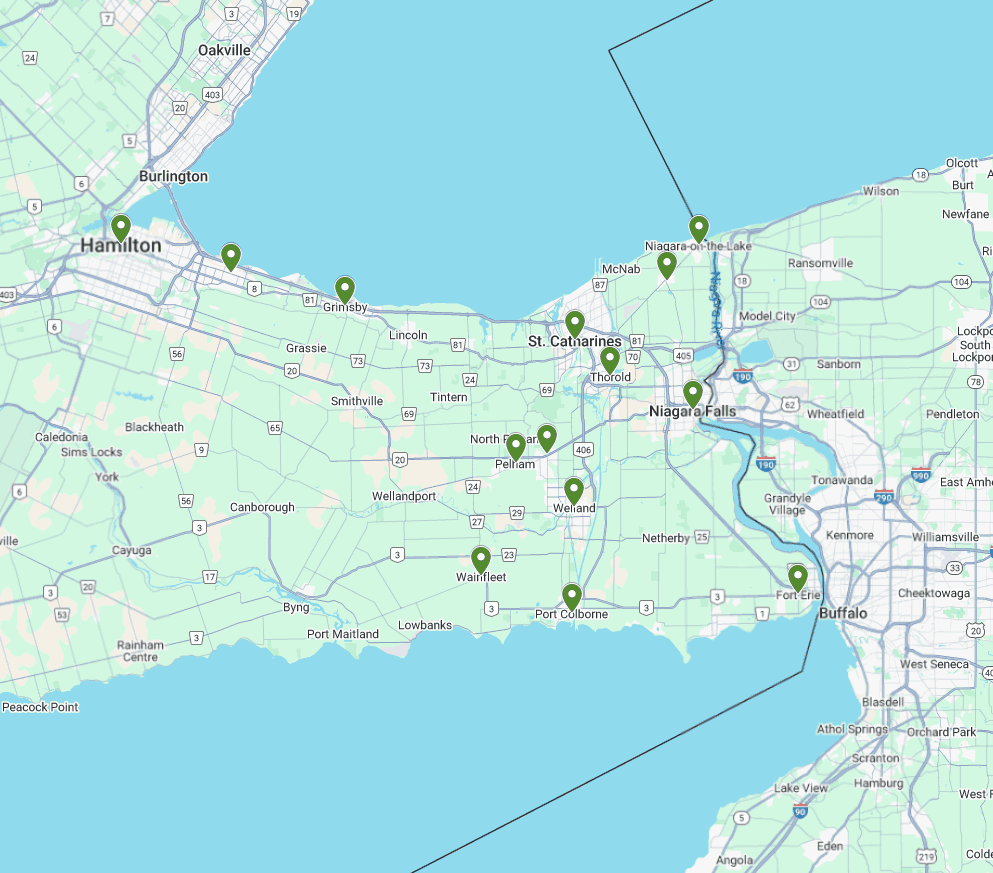
Our service areas encompass a wide range of locations, ensuring that we can meet the needs of our clients wherever they are. From bustling urban centers to serene rural landscapes, we are committed to providing top-notch services tailored to each unique environment.