



A comprehensive guide to HVAC installation in St Catharines, ON, outlining local considerations, installation types, and the step by step process from consultation to commissioning. It covers furnace and central AC, heat pumps, ductless systems, ductwork, hybrids, and zoning, as well as common challenges and how installers address them. Readers learn timelines, preparation checklists, safety and code compliance, warranties, and long-term maintenance benefits, with emphasis on local climate, reliability, and energy efficiency. Designed to help homeowners plan, budget, and ensure lasting comfort.
.jpg)
HVAC Installation in St Catharines, ON
Installing a new heating and cooling system is one of the most important home investments you will make in St Catharines, ON. With humid summers, cold snowy winters, and a mix of older and newer homes across the Niagara Region, the right HVAC installation improves comfort, reduces energy costs, and ensures safe operation year-round. how new HVAC installation works in St Catharines, what system options are available, typical timelines, and how to prepare your home so the job goes smoothly.
Why a local, correct HVAC installation matters in St Catharines
St Catharines experiences wide seasonal swings and occasional lake-effect snow. Systems sized and installed without local climate and home construction in mind can lead to short cycling, poor humidity control, higher bills, and premature equipment failure. Local technicians understand common regional issues — tight basements, older duct runs, and airtight renovations — and design installs to deliver reliable performance and code-compliant safety.
Common HVAC installation types and what each includes
- Furnace and central AC installation
- Full replacement or new installation of gas or electric furnaces paired with condensing AC units.
- Ductwork inspection and modifications, flue and combustion safety checks, thermostat wiring.
- Heat pump installation
- Air-source and cold-climate heat pumps for year-round heating and cooling with improved efficiency.
- Refrigerant line set routing, outdoor unit siting for snow/ice, and electrical upgrades if needed.
- Ductless mini-split systems
- Ideal for older homes without ducts, room additions, or zoned comfort needs.
- Indoor heads installed with small penetrations and minimal remodeling.
- Ductwork installation and replacement
- New duct design, sealing, insulation, and balancing to optimize airflow and efficiency.
- Hybrid systems and zoning
- Combined heat pump-furnace systems or multi-zone solutions to maximize comfort and lower costs.
Typical installation process (what to expect)
Consultation and system selection
- A site visit to assess home size, insulation, existing ductwork, fuel type, and comfort goals.
- Load calculation (Manual J) to size equipment correctly and recommend options (furnace, heat pump, ductless).
Pre-install preparation
- Permit review and scheduling, electrical panel assessment, and material ordering.
- Homeowner prep checklist: clear access to equipment areas, remove wall decorations near work zones, and ensure pets/children are kept safe.
Installation day(s)
- Equipment delivery, duct modifications or new duct installation, indoor unit setup, refrigerant and electrical connections.
- Gas line and venting work for furnaces; concrete pads or mounting for outdoor units.
Code compliance and safety checks
- Combustion air, flue draft, gas leak checks, grounding, and breaker sizing verified to local code.
- Proper clearances for outdoor condensers and ventilation per manufacturer and municipal rules.
Post-install testing and commissioning
- System start-up, refrigerant charge verification, airflow measurement, static pressure checks, and thermostat programming.
- Carbon monoxide and gas pressure tests for fuel-burning systems; duct leakage and balancing.
Quality assurance and homeowner orientation
- Walk-through explaining filters, recommended maintenance schedule, and basic troubleshooting.
- Documentation of installation details, serial numbers, and warranty information.
Common installation challenges in St Catharines and how they are handled
- Undersized or poorly sealed ducts
- Solution: redesign, seal, and insulate duct runs; add returns or improve supply placement to fix uneven rooms.
- Limited space in older homes
- Solution: ductless options, compact high-efficiency furnaces, and creative routing to minimize disruption.
- Electrical panel or gas service upgrades
- Solution: coordinate with licensed electricians or gas technicians to meet code and safety requirements before final commissioning.
- Outdoor unit siting for snow and salt exposure
- Solution: elevated pads, protective clearances, and corrosion-resistant components for longer life.
Timelines and what homeowners should prepare
- Typical installations take from one full day (simple furnace swap or ductless install) up to several days (full-replacement with ductwork or heat pump + panel upgrades).
- Preparation steps:
- Clear pathways and working areas, especially around basement, attic, and furnace rooms.
- Move fragile items and cover furniture near work zones.
- Ensure pets and children are kept away during loud work and gas/electrical testing.
- Confirm parking/access for trades and delivery trucks.
- Expect some dust and noise; reputable teams will use floor protection and clean up at the end of each day.
Safety, code compliance, and warranties
New HVAC installs in St Catharines must meet Ontario building and fuel safety codes. Proper permits, licensed gas connections, certified refrigerant handling, and electrical compliance are essential. A professional installation includes safety testing for carbon monoxide, gas pressure, flue draft, and electrical grounding. Quality assurance often comes with manufacturer and installer warranties that document workmanship and equipment protection.
Post-install care and long-term benefits
A correctly installed system delivers:
- Consistent comfort throughout seasonal extremes
- Better humidity control during humid summers and drier cold months
- Lower energy bills through proper sizing and efficient equipment
- Longer equipment life and fewer emergency repairs
- Improved indoor air quality with properly sealed ducts and recommended filtration
Maintenance tips to protect your investment:
- Replace or clean filters monthly or per manufacturer guidance.
- Schedule annual heating and cooling tune-ups to verify efficiency and catch issues early.
- Keep outdoor units free of debris, vegetation, and snow buildup.
- Monitor for unusual noises, increased cycling, or uneven temperatures and address promptly.
A well-planned HVAC installation in St Catharines, ON not only solves immediate comfort issues but also improves home value and reduces long-term operating costs. With attention to local climate factors, code compliance, and detailed commissioning, homeowners can expect reliable, efficient performance tailored to their lifestyle and home construction.

Customer Testimonials

Very efficient company. I needed an old solar water heater removed from my roof. They were quick to book an appointment for the next day after I sent photos. They were very knowledgeable of the issue. The 2 guys that came were friendly and competent with the job, including removal of all parts.

We had an amazing experience getting our new furnace installed with Niagara Home Heating. The owner was very helpful, their quote was more then competitive and the technician who installed the unit was professional and friendly. I would recommend their services.
Lifesavers!! The AC in our house decided to quit the day we were passing the keys to the new owners!! Instead of making a service call to the house, John coached me through the minor repair over the phone, saving me the money and time waiting for a repair person to come.Much appreciated! Thanks again John
I had an issue with my hot water tank and called Niagara Home Heating. Their service was fantastic and reasonably priced—exactly how a business should be run!
I have used Niagara Home heating for multiple projects for over 16 years. John and his staff are absolutely the best. I tell all my friends and family about Niagara Home Heating because you won’t get any better service or pricing anywhere in Niagara. He has saved me thousands and thousands of dollars and has never let me down.
I called John today at 2:pm as my AC was not working and I wasn’t expecting even a call back as I knew with this hot weather we have had he would be swamped with calls. Well he called me back and showed at 8:pm on the same day to fix my AC. That is just incredible service and how much John really cares about his clients. Thank you John !

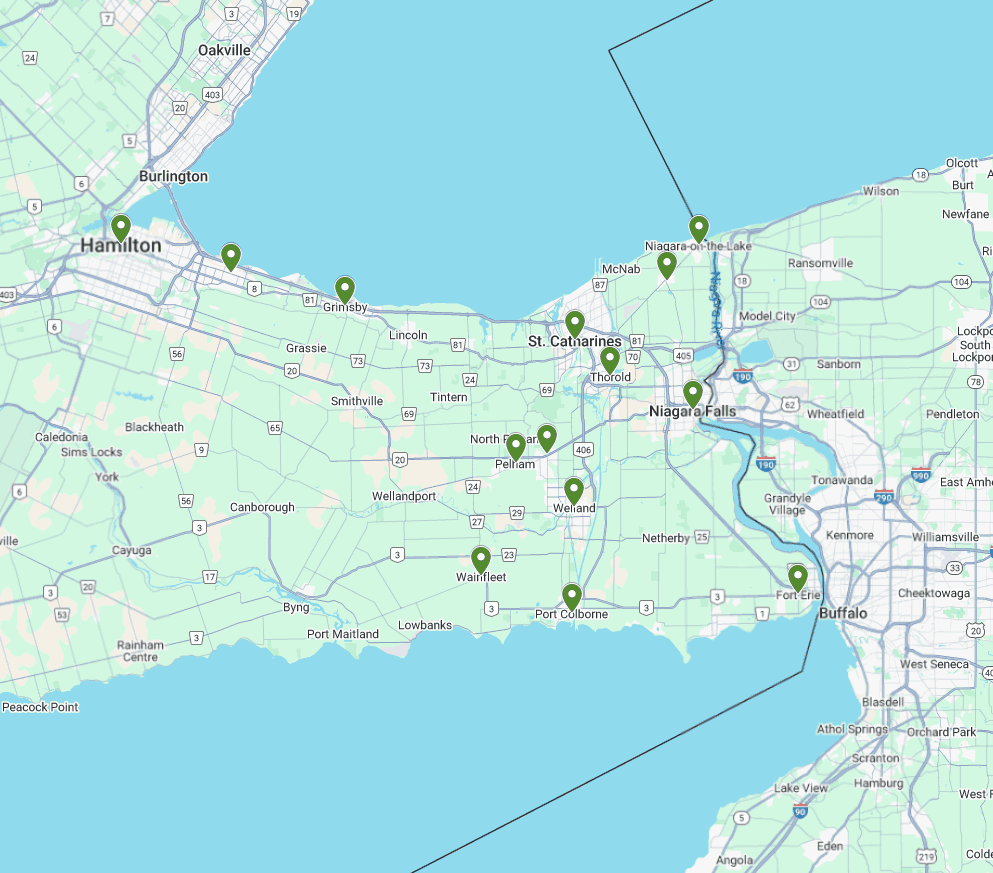
Service Areas
Our service areas encompass a wide range of locations, ensuring that we can meet the needs of our clients wherever they are. From bustling urban centers to serene rural landscapes, we are committed to providing top-notch services tailored to each unique environment.