



St Catharines residents can rely on comprehensive HVAC service for repairs, installation, replacement, and ongoing maintenance of homes and light commercial systems. The program emphasizes accurate diagnostics, transparent planning, and timely execution, helping customers choose between repair and replacement with clear cost estimates. Services cover furnaces, air conditioners, heat pumps, boilers, and indoor air quality solutions, supported by maintenance schedules, rapid response options, and financing and rebates to maximize efficiency and long-term comfort. Count on experienced technicians for reliable, local service.
.jpg)
HVAC Service in St Catharines, ON
Keeping your home comfortable year‑round in St Catharines means having an HVAC system that’s reliable, efficient, and matched to local climate demands. Our HVAC Service in St Catharines, ON covers repair, installation, replacement and maintenance for the full range of residential and light commercial systems. Whether you have an aging furnace, a rooftop heat pump, or a hot water tank nearing end of life, understanding common problems, the diagnostic process, and realistic service timelines helps you make the best decision for your property.
Why HVAC service matters in St Catharines
St Catharines experiences cold, wet winters and warm, humid summers influenced by Lake Ontario and the Niagara microclimate. That combination accelerates wear on heating and cooling equipment, increases corrosion risk, and drives a greater need for humidity control and efficient systems. Proper HVAC service:
- Reduces energy bills by restoring system efficiency
- Prevents mid‑winter or mid‑summer failures
- Improves indoor air quality for homes with basements or older building envelopes
- Ensures safe combustion appliances (furnaces, boilers, hot water tanks) are operating without carbon monoxide risk
Common HVAC issues in St Catharines homes
Homeowners in the Niagara region most often call for:
- Furnace short cycling, weak heat, or ignition failures
- Air conditioner not cooling, frozen coils, or low refrigerant
- Heat pump defrost problems or reduced heating capacity in cold snaps
- Boiler leaks, noisy operation, or poor hot water distribution
- Hot water tank failure, slow recovery, or leaks
- Poor airflow due to clogged filters, duct leaks, or blocked returns
- High humidity or persistent odors indicating indoor air quality problems
Systems we service
- Furnaces (gas and electric) — diagnostics, repair, tune‑ups, full replacement
- Air conditioners — emergency repair, recharge, coil and condenser service, replacements
- Heat pumps — repair, cold‑weather performance tuning, replacements and rebates guidance
- Boilers — service and repair for hot water and steam systems
- Hot water tanks — tanked and tankless service, repair, and replacement options
- Ductless mini‑splits — installation, balancing and repairs
- Indoor air quality equipment — humidifiers, dehumidifiers, filtration and ventilation solutions
How we diagnose and scope work
A professional service visit follows a clear, methodical process so you understand the issue and options:
- Initial assessment: visual inspection, system history review, homeowner symptoms.
- System diagnostics: electrical checks, airflow measurement, refrigeration pressures, combustion analysis for gas equipment.
- Safety checks: carbon monoxide, gas line integrity, flue and venting condition.
- Written scope: clear diagnosis, prioritized repair options, and an estimate comparing repair vs replacement when appropriate.
- Execution plan: timeline for parts, permitting (if required), and expected disruption.
This transparent workflow reduces surprises and helps you choose the most cost‑effective, long‑term solution.
Typical repair and installation process
Repair
- Replace worn components (motors, capacitors, ignitors, valves)
- Leak repair and refrigerant recovery/recharge to current environmental compliance standards
- Clean and calibrate controls, thermostats and sensors
- Safety and performance test after repair
Installation or replacement
- Load calculation (right‑sizing for efficiency and comfort)
- Ductwork assessment and any necessary modifications
- Proper removal of old equipment and responsible disposal
- Certified installation, pressure testing, system charge and startup
- Post‑installation commissioning and homeowner orientation
Response times and emergency service
In St Catharines, typical response windows are:
- Routine service calls: next‑day or scheduled appointment within a few days
- Priority repairs (system down but not life‑threatening): same‑day or 24‑hour response
- Emergency heating failures in winter: rapid response with technicians available for urgent fixes or temporary measures
Actual response depends on season and demand; being proactive with maintenance reduces the risk of emergency breakdowns during extreme weather.
Warranty, rebates and financing options
- Warranties: Most new equipment carries a manufacturer parts warranty (commonly multi‑year for core components) and a separate labour warranty. It’s common to see 1‑year labour coverage and extended parts warranties for higher‑efficiency units; specific terms vary by model and manufacturer.
- Rebates and incentives: Heat pump and high‑efficiency equipment rebate programs are often available through provincial and federal programs. Local homeowners may be eligible for incentives that reduce upfront costs and improve payback.
- Financing: Flexible financing and low‑interest loan options are commonly offered to help spread the cost of replacements or major upgrades. Financing plans can cover equipment, installation and associated ductwork or ventilation upgrades.
When evaluating options, compare total lifecycle costs: system efficiency (SEER, AFUE, HSPF), expected maintenance, and available rebates can make a more efficient unit less costly over time.
Maintenance: what to schedule and why
Regular maintenance extends system life and preserves efficiency. Recommended cadence:
- Annual heating tune‑up in the fall (furnaces, boilers, heat pumps)
- Annual cooling check in the spring (AC and heat pump cooling mode)
- Filter checks every 1–3 months during heavy use; replace or upgrade as needed
- Duct inspection every 3–5 years, sooner if you see airflow issues or after renovations
- Condensate line cleaning annually for AC and heat pump condensate drains
Maintenance checklist highlights:
- Clean or replace filters
- Inspect and clean coils and condensate pans
- Test thermostat and controls
- Lubricate moving parts, check belts
- Inspect flue, vents and combustion safety
- Verify refrigerant levels and electrical connections
Benefits of timely HVAC service and upgrades
- Lower monthly energy bills and improved comfort control
- Fewer emergency repairs and longer equipment life
- Better indoor air quality for families, pets and allergy sufferers
- Safer operation of combustion appliances, reducing CO risk
- Potential eligibility for local rebates and improved resale value
Final considerations for St Catharines homeowners
Older homes and heritage properties common in St Catharines often need tailored solutions: right‑sizing equipment, assessing ductwork, and addressing humidity and ventilation needs. Seasonal weather swings and lake‑effect humidity make proactive maintenance and modern, high‑efficiency systems especially valuable. When deciding between repair and replacement, consider age of equipment, frequency of breakdowns, and total operating cost over the next 5–10 years.
This overview gives a practical foundation for making informed HVAC choices in St Catharines, ON. By focusing on clear diagnostics, transparent options, and maintenance that matches local climate demands, homeowners can achieve reliable comfort and efficient operation throughout the year.

Customer Testimonials

I called John today at 2:pm as my AC was not working and I wasn’t expecting even a call back as I knew with this hot weather we have had he would be swamped with calls. Well he called me back and showed at 8:pm on the same day to fix my AC. That is just incredible service and how much John really cares about his clients. Thank you John !

Very efficient company. I needed an old solar water heater removed from my roof. They were quick to book an appointment for the next day after I sent photos. They were very knowledgeable of the issue. The 2 guys that came were friendly and competent with the job, including removal of all parts.
Lifesavers!! The AC in our house decided to quit the day we were passing the keys to the new owners!! Instead of making a service call to the house, John coached me through the minor repair over the phone, saving me the money and time waiting for a repair person to come.Much appreciated! Thanks again John
I have used Niagara Home heating for multiple projects for over 16 years. John and his staff are absolutely the best. I tell all my friends and family about Niagara Home Heating because you won’t get any better service or pricing anywhere in Niagara. He has saved me thousands and thousands of dollars and has never let me down.
We had an amazing experience getting our new furnace installed with Niagara Home Heating. The owner was very helpful, their quote was more then competitive and the technician who installed the unit was professional and friendly. I would recommend their services.
I had an issue with my hot water tank and called Niagara Home Heating. Their service was fantastic and reasonably priced—exactly how a business should be run!

Service Areas
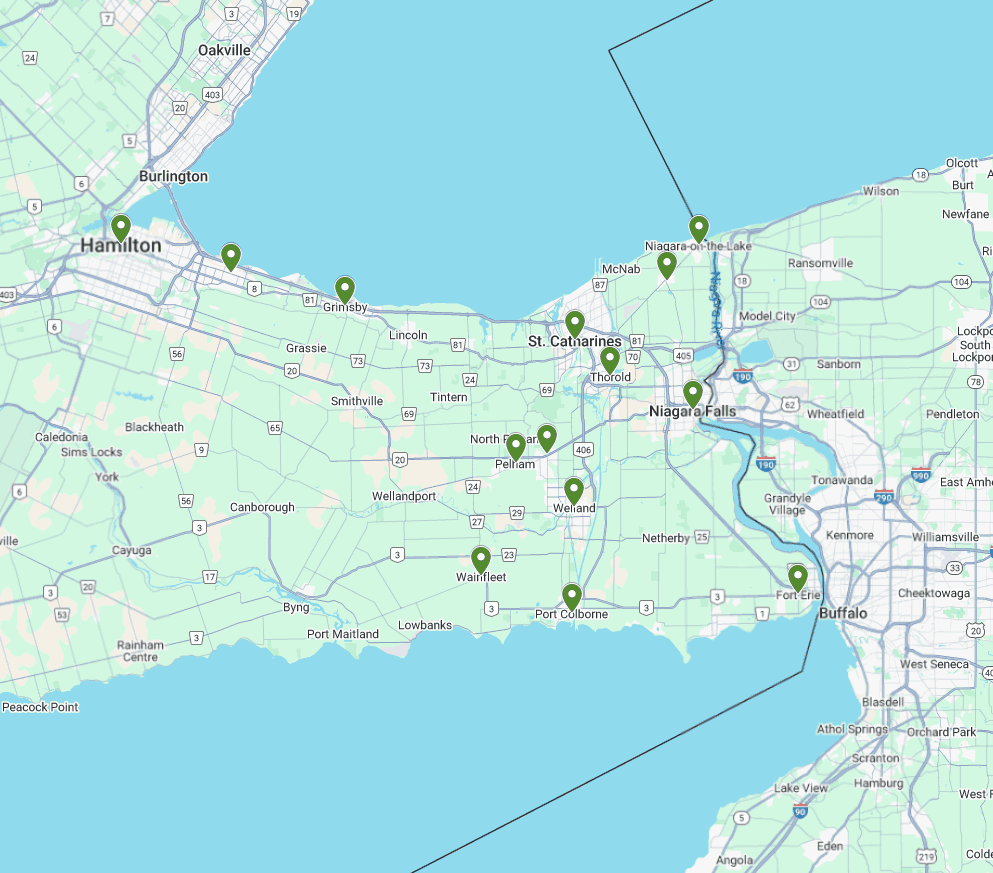
Our service areas encompass a wide range of locations, ensuring that we can meet the needs of our clients wherever they are. From bustling urban centers to serene rural landscapes, we are committed to providing top-notch services tailored to each unique environment.