



This page highlights professional HVAC repair services in Hamilton, ON, emphasizing fast, safe diagnostics and durable repairs tailored to local conditions. It outlines the importance of timely service to prevent breakdowns, energy waste, and emergency replacements, and it lists common problems such as furnace misfires, AC inefficiency, heat pump issues, and boiler pressure loss. The diagnostic process is methodical, including safety checks, electrical testing, airflow evaluation, and system verification, followed by clear estimates, transparent pricing, and warranty-backed repairs.
.jpeg)
HVAC Repair in Hamilton, ON
Keeping your heating and cooling systems running reliably is essential in Hamilton, ON, where cold, snowy winters and humid, sometimes hot summers put heavy seasonal demands on furnaces, air conditioners, heat pumps and boilers. Professional HVAC repair in Hamilton, ON focuses on fast, safe diagnostics, long-lasting repairs, and parts that match your equipment and local conditions so your home stays comfortable and energy-efficient year round.
Why timely HVAC repair matters in Hamilton, ON
- Hamilton winters can stress aging furnaces and boilers, increasing the risk of breakdowns and carbon monoxide issues.
- Hot, humid summers and the lake effect can accelerate corrosion and refrigerant leaks in outdoor AC and heat pump units.
- Prompt repairs reduce energy bills, extend equipment life, and avoid emergency replacements during peak seasons when wait times are longest.
Common HVAC problems in Hamilton homes
- Furnace short-cycling or not igniting (dirty burners, faulty ignition, blocked flue)
- Air conditioner not cooling or running constantly (low refrigerant, failing compressor, dirty coils)
- Heat pump not switching modes or losing efficiency (reversing valve issues, low refrigerant, electrical faults)
- Boiler pressure loss, cold spots or noisy radiators (leaks, air in the system, failing circulator)
- Intermittent or complete loss of blower/airflow (failed blower motor, capacitor, clogged filter or ducts)
- Control board failures, thermostat errors or communication faults (power surges, wear)
- Refrigerant leaks and frozen coils (corrosion, bent fins, slow refrigerant loss)
Typical diagnostic steps and troubleshooting
Experienced technicians follow a methodical process so repairs target the root cause, not just symptoms:
- Visual inspection and system history: check model, age, visible damage, prior work and homeowner observations.
- Safety checks: verify gas lines, combustion safety (where applicable), carbon monoxide, and electrical integrity.
- Electrical testing: measure voltages, check fuses, relays, capacitors and control board function.
- Airflow and duct evaluation: inspect filters, blower operation and ducts for restriction or leakage.
- Refrigeration diagnostics: measure pressures, subcooling and superheat, inspect condenser and evaporator coils.
- Combustion and heat transfer tests: analyze burner operation, heat exchanger condition, and boiler pressure/temperature behavior.
- System operation checks: run a full cycle to reproduce the fault and confirm proper sequencing of components.
A clear, written diagnostic report typically accompanies the inspection, describing findings, recommended repairs, parts needed and an itemized estimate.
Common repairs explained
- Compressor replacement or repair: compressors fail from age, electrical issues or lubrication breakdown. Replacing a compressor requires refrigerant recovery and verifying system compatibility.
- Blower motor and capacitor service: noisy or non-functioning blowers often need motor replacement or a new start/run capacitor to restore proper airflow.
- Ignition system and flame sensor repairs: modern furnaces rely on reliable ignition; technicians clean/replace flame sensors or ignition modules to restore consistent firing.
- Control board replacement: when sequences fail or diagnostics point to electronics, a compatible control board that matches manufacturer specifications is installed.
- Refrigerant leak detection and repair: pinpointing and repairing leaks, evacuating and recharging systems to the correct refrigerant charge prevents repeat failures and preserves efficiency.
- Heat exchanger or boiler component service: cracked heat exchangers or failing circulators are safety and performance issues addressed with replacement parts meeting code.
Parts, manufacturer compatibility and warranty
Reputable HVAC repair in Hamilton, ON uses parts chosen for compatibility with your unit and local conditions. OEM or equivalent components help ensure proper fit and long-term reliability. Technicians verify refrigerant type, electrical ratings and mechanical fit before installation.
Repairs are accompanied by a written warranty that covers labor and parts for a defined period. Warranty details are provided in the estimate so homeowners understand coverage and any manufacturer warranties that may still apply.
Technician qualifications and safety standards
Qualified technicians servicing Hamilton homes are trained on Ontario safety and gas codes, skilled in modern refrigerant handling practices, and experienced across major brands and models. Look for technicians who:
- Use modern diagnostic tools and combustion analyzers where applicable
- Follow safe refrigerant recovery and electrical safety procedures
- Maintain clean work practices to protect your home during service
- Provide clear explanations of issues and repair options in plain language
Emergency response and 24/7 availability
Emergencies in Hamilton — a furnace failure during a cold snap or a breakdown causing water damage — require rapid, competent response. Emergency HVAC repair services typically:
- Prioritize safety issues like gas leaks, carbon monoxide alarms, or major water leaks
- Dispatch technicians trained for emergency troubleshooting and temporary measures to restore safe operation
- Provide weekend and after-hours coverage so urgent problems aren’t left overnight in extreme weather
Transparent pricing and repair process
A transparent estimate starts with a diagnostic visit and includes:
- An itemized list of labor, parts and any materials required
- Clear mention of permits, disposal or refrigerant recovery fees if applicable
- Warranty coverage for parts and labor, and any manufacturer labor allowances
Homeowners receive the inspection report and estimate before any repair work proceeds. Technicians explain options (repair vs. replacement), expected lifespan after repair, and energy implications so you can make an informed decision.
Preventive steps to reduce repairs in Hamilton
- Replace filters regularly and keep return grilles clear of dust and debris.
- Schedule seasonal tune-ups: furnace checks in fall and AC/heat pump tune-ups in spring.
- Keep outdoor units clear of leaves, salt buildup and lawn debris—Hamilton’s lake effect and winter road salt can accelerate corrosion.
- Ensure proper drainage and insulation around outdoor equipment to reduce freeze/thaw damage.
- Balance humidity levels indoors to decrease strain on both heating and cooling systems.
What to expect during a service call
A professional service visit in Hamilton, ON typically includes arrival in uniform, a brief walk-through to confirm symptoms, a full diagnostic inspection, a written explanation of findings, and an itemized repair estimate. Technicians protect your home while working and verify system operation after repairs are completed.
Reliable HVAC repair in Hamilton, ON focuses on safety, durability and efficiency—addressing immediate faults while offering solutions that reduce future breakdowns and energy use in Hamilton’s variable climate.

Customer Testimonials

I called John today at 2:pm as my AC was not working and I wasn’t expecting even a call back as I knew with this hot weather we have had he would be swamped with calls. Well he called me back and showed at 8:pm on the same day to fix my AC. That is just incredible service and how much John really cares about his clients. Thank you John !

We had an amazing experience getting our new furnace installed with Niagara Home Heating. The owner was very helpful, their quote was more then competitive and the technician who installed the unit was professional and friendly. I would recommend their services.
Lifesavers!! The AC in our house decided to quit the day we were passing the keys to the new owners!! Instead of making a service call to the house, John coached me through the minor repair over the phone, saving me the money and time waiting for a repair person to come.Much appreciated! Thanks again John
I had an issue with my hot water tank and called Niagara Home Heating. Their service was fantastic and reasonably priced—exactly how a business should be run!
Very efficient company. I needed an old solar water heater removed from my roof. They were quick to book an appointment for the next day after I sent photos. They were very knowledgeable of the issue. The 2 guys that came were friendly and competent with the job, including removal of all parts.
I have used Niagara Home heating for multiple projects for over 16 years. John and his staff are absolutely the best. I tell all my friends and family about Niagara Home Heating because you won’t get any better service or pricing anywhere in Niagara. He has saved me thousands and thousands of dollars and has never let me down.

Service Areas
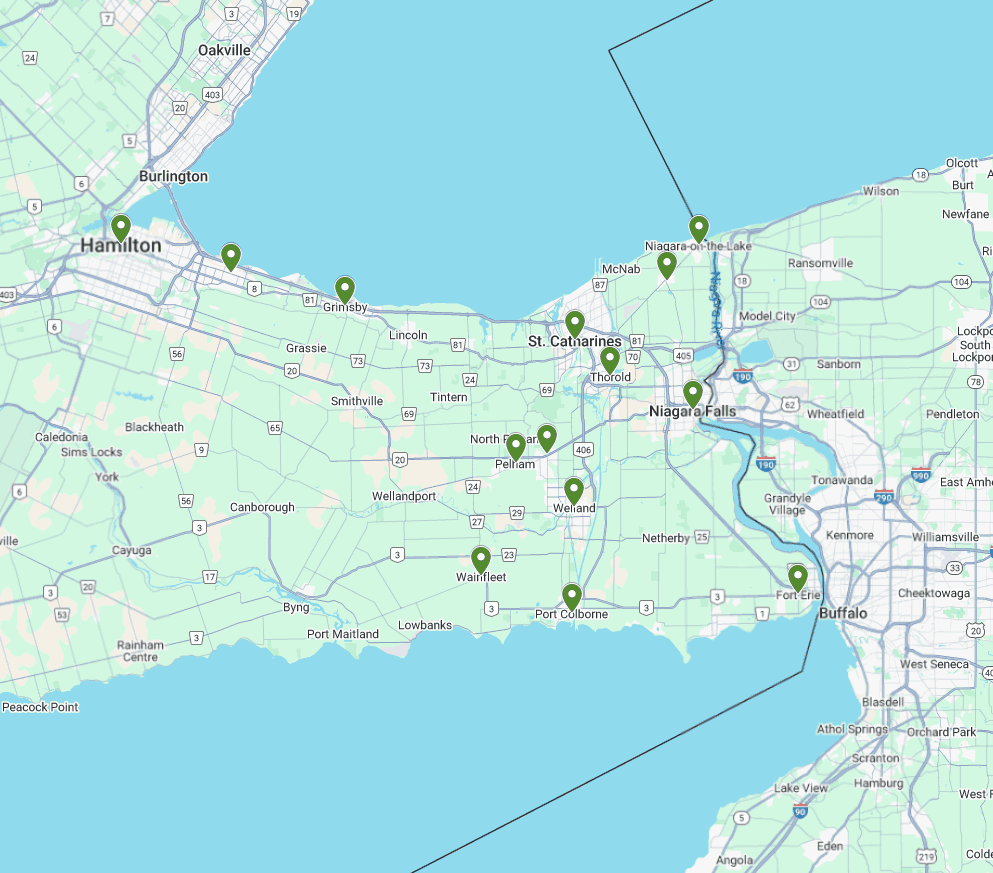
Our service areas encompass a wide range of locations, ensuring that we can meet the needs of our clients wherever they are. From bustling urban centers to serene rural landscapes, we are committed to providing top-notch services tailored to each unique environment.