



HVAC replacement in Hamilton, ON combines expert sizing, compliant installations, and access to rebates to optimize comfort and efficiency. It describes when to replace versus repair, load calculations, and proper system sizing, then details energy-efficient equipment options, removal of old units, permitting requirements, financing incentives, installation timelines, post-install testing, warranties, and maintenance. Emphasizing local climate and code-compliant workmanship, it describes how a professional replacement delivers reliable year-round warmth, efficient cooling, and long-term cost savings for Hamilton homes.
.jpeg)
HVAC Replacement in Hamilton, ON
Upgrading your home HVAC system is one of the most effective ways to improve comfort, reduce energy bills, and avoid frequent emergency repairs. In Hamilton, ON, where winters can be bitter and humid summer days are common, the right replacement system must be sized and installed correctly to perform year-round. the HVAC replacement process, how to decide between repair and replacement, equipment choices, permitting and rebates, and what to expect from a professional installation in Hamilton homes.
When to Replace vs Repair: practical evaluation
Deciding whether to repair or replace comes down to age, performance, safety, and cost-effectiveness.
- Typical lifespan: furnaces 15–25 years, central air conditioners 10–15 years, heat pumps 10–20 years.
- Replace when: frequent breakdowns, major component failure (compressor, heat exchanger), persistent efficiency loss, or when repair costs approach 40-50% of replacement cost.
- Repair when: isolated component failures on newer equipment, warranties still apply, or when a short-term fix is needed before a planned replacement.
A thorough system evaluation includes visual inspection, performance testing, safety checks (carbon monoxide and combustion analysis for gas appliances), and an energy-use review. In Hamilton, older homes and mixed heating setups often mask inefficiencies; an expert evaluation will reveal duct leaks, improper controls, or undersized equipment.
Load calculations and proper sizing
Proper sizing is critical. Oversized or undersized equipment causes short cycling, uneven temperatures, higher energy use, and premature wear.
- Heat load (Manual J) and cooling load calculations consider home square footage, insulation, window area, orientation, occupancy, and local design temperatures for Hamilton.
- Ductwork assessment (Manual D) identifies losses and airflow restrictions.
- Right-sizing often means a smaller, higher-efficiency unit with improved distribution rather than simply choosing the biggest capacity available.
Technicians will measure static pressure, calculate required airflow (CFM), and select equipment to meet your actual home needs rather than rule-of-thumb sizing.
Energy-efficient equipment options and brand considerations
Energy efficiency means lower operating costs and better environmental performance. Key efficiency metrics to compare:
- Heating: AFUE (Annual Fuel Utilization Efficiency) for furnaces. High-efficiency gas furnaces typically reach AFUE in the high 90s.
- Cooling: SEER (Seasonal Energy Efficiency Ratio). Modern systems commonly offer SEER ratings from mid-14 up to 20+.
- Heat pumps: HSPF (Heating Seasonal Performance Factor) and SEER; cold-climate heat pumps are optimized for Ontario winters.
Common equipment types for Hamilton homes:
- High-efficiency gas furnaces (reliable winter performance)
- Air-source heat pumps and cold-climate variants (increasingly popular for heating and efficient cooling)
- Central air conditioners (for homes with existing forced-air systems)
- Ductless mini-splits (for additions, supplementary zones, or homes without ducts)
Brand comparisons should focus on reliability, local dealer support, available warranties, parts availability, and specific features like variable-speed compressors and multi-stage heating. Well-known manufacturers offer different strengths: some prioritize value and simple serviceability, others emphasize top-tier efficiency and longer warranties. Choose equipment based on the combination of efficiency, warranty terms, and local service network.
Removal and disposal of old equipment
Safe removal and disposal are part of a professional replacement:
- Recovery of refrigerants in compliance with environmental regulations.
- Safe disconnection of gas, electrical, and condensate lines.
- Responsible disposal or recycling of metal, insulation, and refrigerant-containing components.
- Site protection: floor coverings and cleanup to leave your home tidy.
In Hamilton, outdoor units may show corrosion from lake-effect moisture or industrial salts; technicians will advise on corrosion-resistant options and proper installation clearances to extend equipment life.
Permitting and code compliance
Permits and code compliance are mandatory for most HVAC replacements:
- Municipal permits in Hamilton may be required for furnace, air conditioner, and heat pump installations.
- Gas work usually requires certification and inspection to meet Ontario building and fuel safety regulations.
- Electrical changes may require an electrical permit and inspection.
- Installations must meet local mechanical codes, combustion safety clearances, ventilation, and carbon monoxide detection requirements.
A professional installer will pull necessary permits, coordinate inspections, and deliver documentation that demonstrates code compliance.
Rebates and financing options
Replacing older HVAC equipment can qualify homeowners for provincial, federal, or utility incentives in Ontario, especially for high-efficiency systems and heat pumps. Financing options and energy-efficiency rebates often make higher-efficiency equipment more affordable by reducing upfront cost or offering low-interest financing.
When planning a replacement, review current incentive programs and documentation requirements (pre- and post-installation efficiency testing may be required). Your installer can provide guidance on typical rebate pathways and paperwork commonly needed to claim incentives.
Installation timeline and post-installation testing
A standard replacement process and timeline:
- On-site evaluation and quote (1 visit)
- Final equipment selection and permit submission (a few days, depending on permit timelines)
- Equipment delivery and scheduled installation (commonly 1–3 days for typical residential installs)
- Post-installation testing and commissioning
Post-install checks include refrigerant charge verification, airflow balancing, thermostat calibration, combustion and venting tests for gas furnaces, electrical safety checks, and a walk-through to explain system operation. Proper commissioning ensures the system operates at rated efficiency and meets comfort expectations.
Warranty and maintenance recommendations
Warranty coverage typically includes manufacturer parts warranty (varies by brand), compressor warranties for air conditioners/heat pumps, and separate labor or workmanship warranties from the installer.
To protect the investment:
- Keep records of installation and warranty paperwork.
- Enroll in a regular maintenance plan: annual furnace tune-up before winter and annual cooling/heat pump tune-up before summer.
- Replace filters regularly and check condensate drains and outdoor unit clearances.
- Address minor issues early to avoid costly repairs and maintain warranty compliance.
Benefits of a professional, code-compliant replacement in Hamilton
A properly executed HVAC replacement delivers consistent comfort through Hamilton’s cold winters and humid summers, better indoor air quality, lower monthly energy bills, and fewer emergency repairs. With correct sizing, quality equipment, permitted installation, and routine maintenance, a replacement becomes a long-term investment in home comfort, safety, and energy efficiency.
Whether you are replacing a failing furnace, upgrading to a high-efficiency heat pump, or installing a modern cooling system, an informed, local approach that accounts for Hamilton’s climate, housing stock, and municipal requirements will yield the best performance and value over time.

Customer Testimonials

I have used Niagara Home heating for multiple projects for over 16 years. John and his staff are absolutely the best. I tell all my friends and family about Niagara Home Heating because you won’t get any better service or pricing anywhere in Niagara. He has saved me thousands and thousands of dollars and has never let me down.

I called John today at 2:pm as my AC was not working and I wasn’t expecting even a call back as I knew with this hot weather we have had he would be swamped with calls. Well he called me back and showed at 8:pm on the same day to fix my AC. That is just incredible service and how much John really cares about his clients. Thank you John !
I had an issue with my hot water tank and called Niagara Home Heating. Their service was fantastic and reasonably priced—exactly how a business should be run!
Lifesavers!! The AC in our house decided to quit the day we were passing the keys to the new owners!! Instead of making a service call to the house, John coached me through the minor repair over the phone, saving me the money and time waiting for a repair person to come.Much appreciated! Thanks again John
Very efficient company. I needed an old solar water heater removed from my roof. They were quick to book an appointment for the next day after I sent photos. They were very knowledgeable of the issue. The 2 guys that came were friendly and competent with the job, including removal of all parts.
We had an amazing experience getting our new furnace installed with Niagara Home Heating. The owner was very helpful, their quote was more then competitive and the technician who installed the unit was professional and friendly. I would recommend their services.

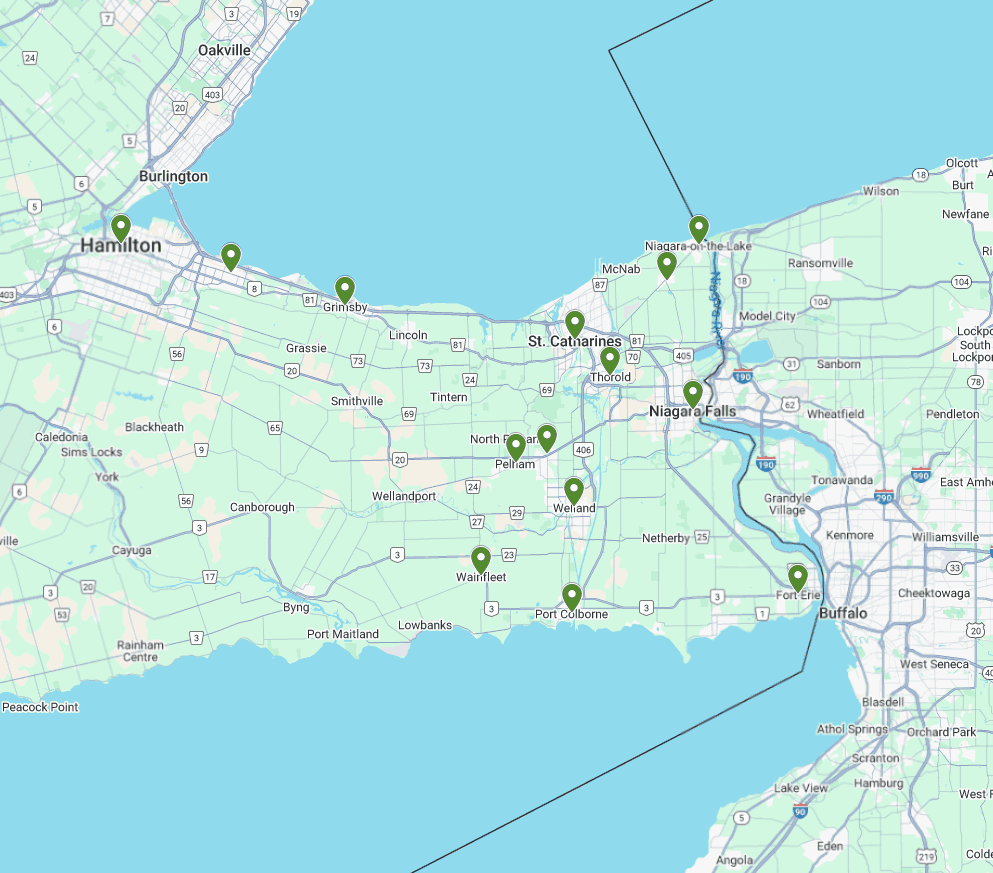
Service Areas
Our service areas encompass a wide range of locations, ensuring that we can meet the needs of our clients wherever they are. From bustling urban centers to serene rural landscapes, we are committed to providing top-notch services tailored to each unique environment.