



HVAC tune ups in Hamilton, ON offer preventative maintenance that protects comfort, improves energy efficiency, and reduces emergency repairs. A typical tune up covers safety checks, thermostat calibration, lubrication, airflow and duct inspection, ignition and combustion safety, refrigerant verification, electrical testing, coil cleaning, condensate drainage, blower inspection, and performance reporting. Regular visits align with local climate, extend equipment life, and help prevent costly outages while maintaining warranty eligibility and indoor air quality for Hamilton homes.

HVAC Tune-Up in Hamilton, ON
An annual HVAC Tune-Up is one of the most cost-effective ways to protect your home comfort, reduce energy bills, and avoid emergency breakdowns. In Hamilton, ON, where humid summers, cold winters and occasional lake-effect weather place extra stress on heating and cooling systems, a professional HVAC Tune-Up helps keep equipment running safely and efficiently when you need it most.
Why a Tune-Up matters for Hamilton homes
Hamilton’s climate swings—from hot, humid summers to freezing, salt-exposed winters—create conditions that accelerate wear on HVAC equipment. Dust, pollen and urban pollution can clog filters and coils; road salt and moisture can accelerate corrosion; older homes with aging ductwork can develop leaks that weaken performance. Regular Tune-Ups reduce these risks by addressing problem areas before they become costly failures.
Typical HVAC Tune-Up checklist
A thorough Tune-Up follows a systematic checklist designed to assess safety, efficiency and reliability. The core tasks most reputable technicians perform include:
- Filter inspection and replacement (or advising on proper filter type)
- Confirm correct size and MERV rating; replace disposable filters or clean reusable filters.
- Thermostat calibration and control check
- Verify temperature accuracy and proper cycling; check programmable or smart thermostat settings.
- Lubrication of moving parts
- Oil bearings and motors where applicable to reduce friction and wear.
- Airflow and duct checks
- Measure airflow, inspect return and supply vents, look for obvious duct damage or blockages.
- Ignition, burner and combustion safety tests (for gas furnaces)
- Inspect and clean burners, test ignition sequence and verify safe combustion.
- Heat exchanger and flue inspection
- Visual check for cracks or signs of failure that can cause carbon monoxide issues.
- Refrigerant verification and pressure check (for air conditioners and heat pumps)
- Measure refrigerant pressures and temperatures to confirm proper charge; identify leaks if pressures are off.
- Electrical connections and voltage/amperage testing
- Tighten terminals, test capacitors, motors and contactors for normal operation.
- Coil cleaning (evaporator and condenser)
- Remove debris and film that reduce heat transfer and efficiency.
- Condensate drain and pan inspection
- Clear blockages, treat for algae and ensure proper drainage to prevent water damage.
- Blower and belt inspection
- Check motor bearings, belt condition and tension; clean blower wheel.
- Safety control checks
- Test limit switches, pressure switches and other safety interlocks.
- Performance testing and report
- Run system through a cycle, measure temperature split and document findings and recommendations.
What to expect — duration and service model
- Typical Tune-Up length depends on system type and condition:
- Single-system Tune-Up (heating or cooling): about 45–90 minutes.
- Combined heating and cooling Tune-Up (seasonal service for both furnace and air conditioner/heat pump): commonly 90–150 minutes.
- Older or neglected systems, or those with additional diagnostic needs, may require more time.
- Common service models:
- One-time seasonal Tune-Up visits.
- Annual maintenance plans or membership programs that include scheduled Tune-Ups, priority booking and discounted repairs.
- Pricing varies with system type, complexity, and any additional parts or repairs identified during the inspection. Key cost drivers include system age, accessibility, whether refrigerant is low or repairs are needed, and the scope of cleaning required.
Best timing for Tune-Ups in Hamilton
Seasonal timing matters in Hamilton to avoid peak demand and to prepare systems for load extremes:
- Pre-summer (spring) — Schedule AC Tune-Ups in late spring so your air conditioner is ready for humid July and August conditions. Early servicing reduces the chance of mid-summer failures and helps maintain efficient cooling when energy bills are highest.
- Pre-winter (autumn) — Arrange furnace or heat pump heating Tune-Ups in early to mid-autumn, before the first cold snap and lake-effect snow events. An inspection before heavy use helps prevent freeze-ups and unsafe combustion issues.
- Homes with combined heating/cooling or heat pumps should have annual Tune-Ups timed to the upcoming heavy-use season for each mode.
How a Tune-Up prevents emergencies and improves efficiency
Regular HVAC Tune-Ups deliver measurable operational benefits that matter at the decision stage:
- Reduced emergency repairs: Technicians identify worn components, minor leaks, and unsafe conditions before they escalate into costly breakdowns or safety incidents.
- Improved energy efficiency: Clean coils, correct refrigerant charge, calibrated thermostats and unrestricted airflow help systems use less energy to maintain comfort, which can lower utility bills.
- Longer equipment lifespan: Routine lubrication, tightened connections and timely minor repairs reduce stress on components and extend service life.
- Better indoor air quality and comfort: Proper filter maintenance, coil cleaning and airflow optimization reduce dust and humidity issues that affect comfort and health.
- Warranty protection: Many manufacturers require regular maintenance to keep equipment warranties valid; documented Tune-Ups meet that requirement.
- Safer operation: Combustion inspections, heat exchanger checks and safety control tests reduce the risk of carbon monoxide and fire hazards.
Common issues uncovered during Hamilton Tune-Ups
Technicians frequently find these location-specific problems:
- Dirty condenser coils from summer pollen and urban dust, reducing cooling capacity.
- Low refrigerant or minor leaks from vibration and age, common after long cold winters.
- Clogged condensate drains and pans due to algae growth from humid conditions.
- Corroded outdoor components from winter road salt and moisture exposure.
- Thermostat inconsistencies in older homes with legacy wiring or spotty insulation.
Maintenance tips between Tune-Ups
- Replace or check filters every 1–3 months depending on use and filter type.
- Keep outdoor condensing units clear of vegetation, leaves and salt residue.
- Seal obvious duct leaks and insulate accessible ducts in unheated spaces.
- Program thermostats to reduce runtime when you are away and to avoid extreme temperature swings.
- Monitor for unusual noises, odours, or cycling patterns and schedule inspection promptly if they appear.
A professional HVAC Tune-Up in Hamilton, ON is an investment in comfort, safety and predictable home expenses. Regular seasonal inspections tailor maintenance to local climate stressors, help prevent emergency calls during extreme weather, and keep systems operating efficiently through the year.

Customer Testimonials

I had an issue with my hot water tank and called Niagara Home Heating. Their service was fantastic and reasonably priced—exactly how a business should be run!

We had an amazing experience getting our new furnace installed with Niagara Home Heating. The owner was very helpful, their quote was more then competitive and the technician who installed the unit was professional and friendly. I would recommend their services.
Lifesavers!! The AC in our house decided to quit the day we were passing the keys to the new owners!! Instead of making a service call to the house, John coached me through the minor repair over the phone, saving me the money and time waiting for a repair person to come.Much appreciated! Thanks again John
Very efficient company. I needed an old solar water heater removed from my roof. They were quick to book an appointment for the next day after I sent photos. They were very knowledgeable of the issue. The 2 guys that came were friendly and competent with the job, including removal of all parts.
I called John today at 2:pm as my AC was not working and I wasn’t expecting even a call back as I knew with this hot weather we have had he would be swamped with calls. Well he called me back and showed at 8:pm on the same day to fix my AC. That is just incredible service and how much John really cares about his clients. Thank you John !
I have used Niagara Home heating for multiple projects for over 16 years. John and his staff are absolutely the best. I tell all my friends and family about Niagara Home Heating because you won’t get any better service or pricing anywhere in Niagara. He has saved me thousands and thousands of dollars and has never let me down.

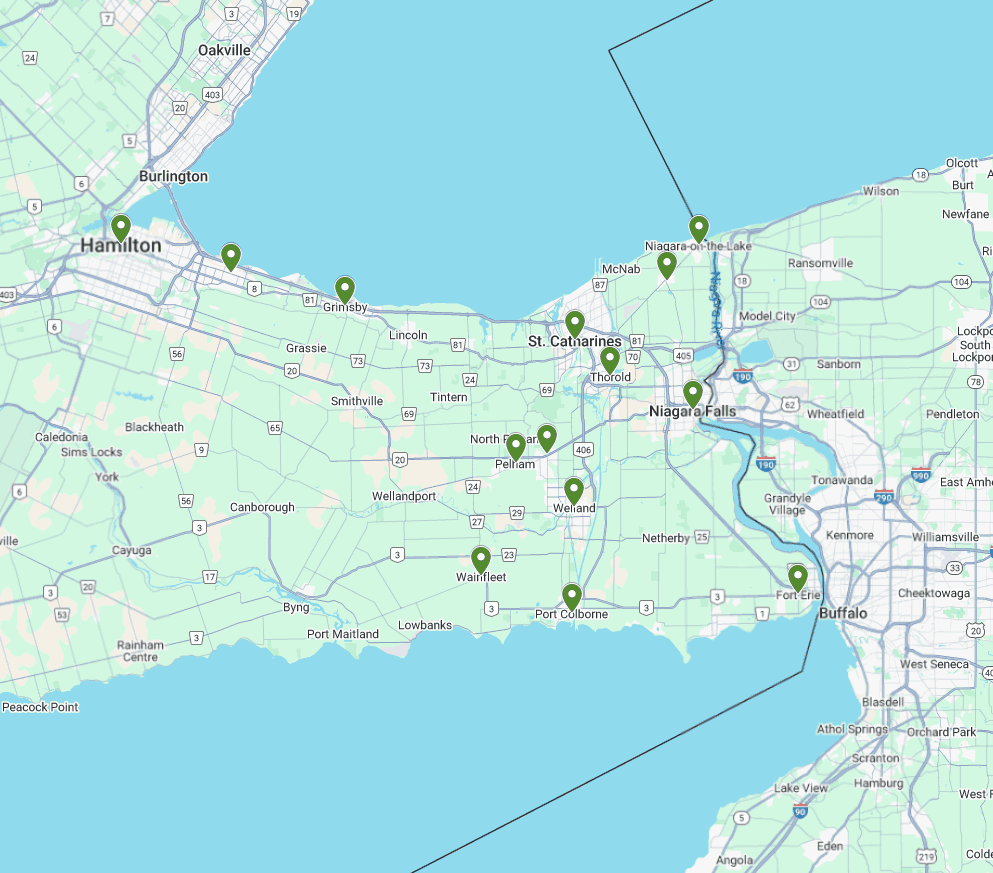
Service Areas
Our service areas encompass a wide range of locations, ensuring that we can meet the needs of our clients wherever they are. From bustling urban centers to serene rural landscapes, we are committed to providing top-notch services tailored to each unique environment.