



It describes the professional installation of tankless water heaters in Fort Erie, ON, from site assessment and sizing to commissioning. It covers venting, gas and electrical requirements, permit considerations, and step-by-step installation, plus energy-efficiency benefits, model options, warranty and maintenance plans, and typical scheduling. It emphasizes accurate sizing for cold inlet temperatures, code compliance, and coordination with licensed technicians to deliver reliable, on-demand hot water with minimal footprint. Readers will understand benefits, expectations, and service options for Fort Erie homes.
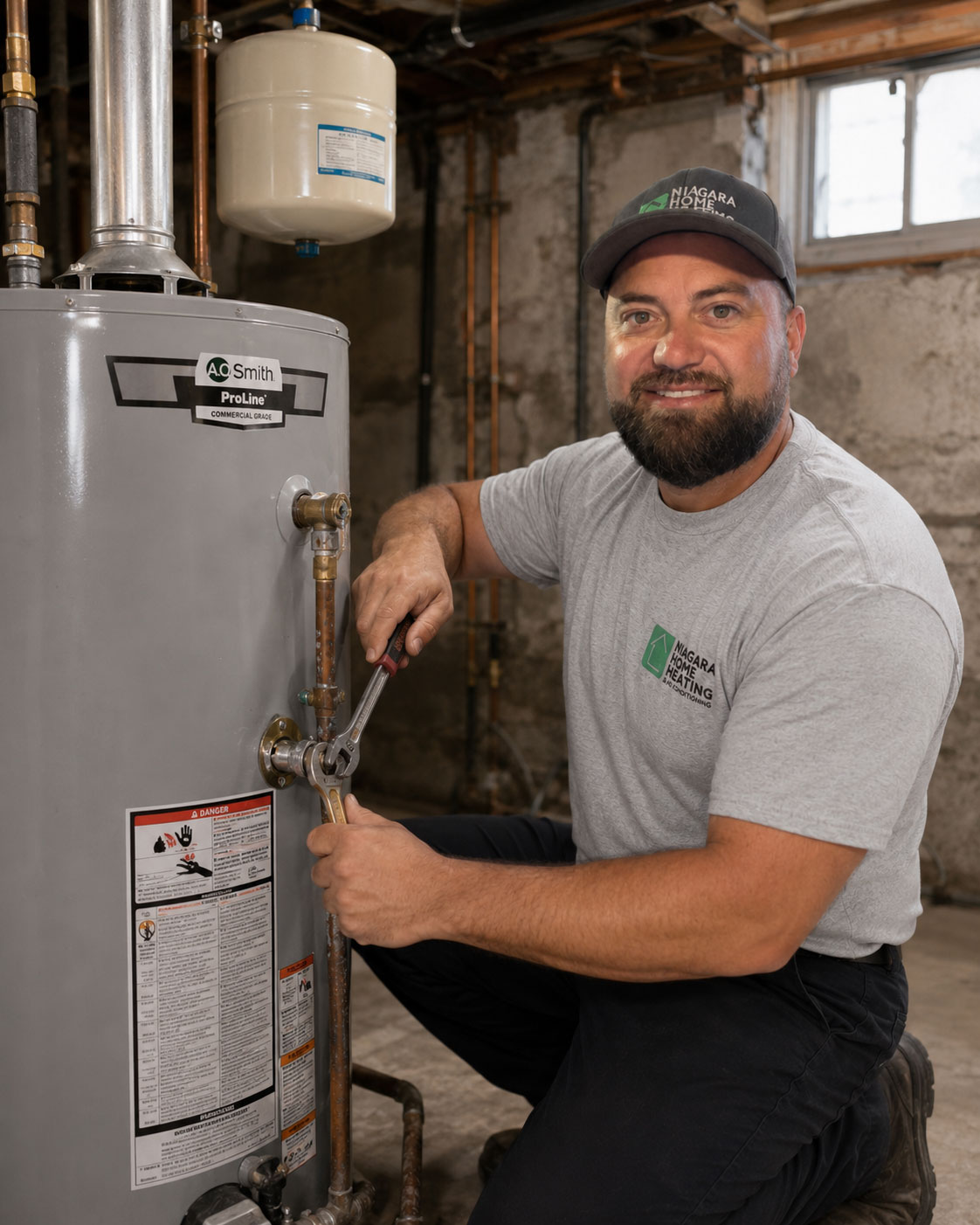
Tankless Water Heater Installation in Fort Erie, ON
Upgrading to a tankless water heater in Fort Erie, ON gives your home on-demand hot water, lower energy waste, and a smaller footprint — benefits that matter in both older Niagara Region homes and newer builds. the full professional installation process: how we size and assess your site, what venting, gas, and electrical requirements to expect, permit and code considerations for Fort Erie, step-by-step installation and commissioning, energy-efficiency advantages, model and package options, warranty and maintenance plans, and the typical scheduling flow for an installation appointment.
Why choose tankless for Fort Erie homes
- Endless hot water for households with simultaneous showers, laundry and dishwasher needs.
- Energy savings by eliminating standby losses of storage tanks — especially valuable with rising utility costs.
- Space savings — compact wall-mounted units free up basement or utility closet space common in Fort Erie houses.
- Reduced environmental impact compared with older, inefficient tanks.
Local note: Lake Erie and Niagara Region groundwater can be colder in winter months. That colder inlet temperature increases the temperature rise required from the unit, so accurate sizing for Fort Erie cold-water conditions is essential to avoid shortfalls.
Common tankless installation types and issues in Fort Erie
- Condensing natural gas tankless (high efficiency, requires condensate drainage)
- Non-condensing gas tankless (simpler venting but lower efficiency)
- Electric tankless (ideal where gas is unavailable; may require significant electrical upgrades)
- Point-of-use vs whole-house installations
Common local considerations:
- Older Fort Erie homes may need gas line upsizing or new venting pathways.
- Hard water in parts of Niagara Region increases scale buildup risk; water treatment or regular descaling is often recommended.
- Tight lot lines or limited exterior access can complicate venting choices.
Site assessment and proper sizing
A professional site assessment is the first step. Key elements evaluated:
- Typical peak simultaneous hot water demand (showers, appliances) to determine required flow rate (GPM).
- Incoming ground water temperature (Fort Erie winter temps), which determines required temperature rise.
- Available fuel source (natural gas vs propane vs electric) and pipe capacity.
- Venting route options (direct exterior wall, through roof, or existing chimney).
- Space for installation, condensate routing, and clearances for code compliance.
Sizing uses both flow rate and temperature rise: for example, cold Fort Erie inlet temperatures may require a higher-capacity unit than the same home in a warmer region.
Venting, plumbing and electrical requirements
- Venting: Condensing units typically use PVC or CPVC for exhaust/air intake; non-condensing gas units require stainless steel or special double-wall metal venting. Vent location must meet local clearances and exhaust discharge rules.
- Gas: Proper gas line sizing and pressure verification are critical. Many older homes require a larger diameter line or dedicated regulator.
- Electrical: Tankless units need a dedicated circuit for controls and ignition; electric tankless models require substantial amperage and possibly a panel upgrade.
- Plumbing: Isolation valves, pressure relief valve, proper condensate trap/drain (for condensing models), and recommended sediment or scale protection.
All work must meet Ontario code requirements and be installed by a qualified gas technician and licensed professionals according to TSSA and municipal Fort Erie permit rules.
Permits and code considerations
Installations in Fort Erie must comply with Ontario Building Code and fuel safety regulations. Typical permit and compliance steps include:
- Applying for and obtaining a municipal plumbing/gas permit when required.
- Using certified technicians for gas connections and combustion appliances.
- Ensuring vent terminations and clearances meet local bylaws and manufacturer instructions.
- Providing documentation (installation checklist, warranty registration, and CO/combustion test results) for permit closeout where applicable.
Step-by-step professional installation process
Commissioning and performance testing
Thorough commissioning confirms real-world performance:
- Verify unit meets required GPM at desired temperature rise under typical Fort Erie inlet temps.
- Check safety devices, ignition reliability, and error logs.
- Conduct combustion and CO testing for gas units and confirm proper venting and clearances.
- Document test results and hand over manufacturer warranty and maintenance instructions.
Energy-efficiency benefits
- Lower annual energy use through on-demand heating rather than storing hot water.
- High-efficiency condensing models can deliver the best fuel-to-water efficiency, reducing gas consumption.
- Potential to pair with low-flow fixtures or a recirculation system for additional water savings.
Realistic expectation: energy savings depend on household hot water usage patterns and the chosen model; accurate sizing and proper installation maximize savings.
Models and package options
Common packages include:
- Whole-house condensing gas units with high efficiency and built-in recirculation compatibility
- Non-condensing gas options for simpler installations where venting constraints exist
- Electric tankless systems for homes without gas, suitable for smaller homes or point-of-use applications
- Point-of-use units for remote bathrooms or additions
- Add-on packages: water softener or scale inhibitor, recirculation pump, freeze protection kits, and extended labor warranty bundles
Each package balances upfront cost, available utilities, required upgrades (gas or electrical), and long-term operating costs.
Warranty, maintenance plans and longevity
- Manufacturer warranties typically cover the heat exchanger and parts; labor warranties may be offered separately.
- Recommended maintenance: annual inspection and flushing/descaling (intervals vary by water hardness; Fort Erie homes with hard water often need more frequent descaling).
- Maintenance plans generally include priority scheduling, annual descaling, filter replacement, and system checks to preserve efficiency and extend service life.
How installation appointments typically proceed
Scheduling begins with a detailed site assessment to confirm sizing, venting feasibility, and any required upgrades. The assessment yields a written proposal that outlines scope, permit handling, timeline, recommended model options, and warranty details. After permit approval and materials procurement, installations are typically completed in a day for straightforward replacements; more complex projects (gas line upgrades, electrical panel work, or new vent runs) may require additional time and coordinated trades.
Final note: Proper professional installation in Fort Erie accounts for local cold inlet temperatures, code and permit compliance, and water quality to ensure your tankless system delivers reliable, efficient hot water for years with minimal downtime.

Customer Testimonials

We had an amazing experience getting our new furnace installed with Niagara Home Heating. The owner was very helpful, their quote was more then competitive and the technician who installed the unit was professional and friendly. I would recommend their services.

Lifesavers!! The AC in our house decided to quit the day we were passing the keys to the new owners!! Instead of making a service call to the house, John coached me through the minor repair over the phone, saving me the money and time waiting for a repair person to come.Much appreciated! Thanks again John
I had an issue with my hot water tank and called Niagara Home Heating. Their service was fantastic and reasonably priced—exactly how a business should be run!
I called John today at 2:pm as my AC was not working and I wasn’t expecting even a call back as I knew with this hot weather we have had he would be swamped with calls. Well he called me back and showed at 8:pm on the same day to fix my AC. That is just incredible service and how much John really cares about his clients. Thank you John !
Very efficient company. I needed an old solar water heater removed from my roof. They were quick to book an appointment for the next day after I sent photos. They were very knowledgeable of the issue. The 2 guys that came were friendly and competent with the job, including removal of all parts.
I have used Niagara Home heating for multiple projects for over 16 years. John and his staff are absolutely the best. I tell all my friends and family about Niagara Home Heating because you won’t get any better service or pricing anywhere in Niagara. He has saved me thousands and thousands of dollars and has never let me down.

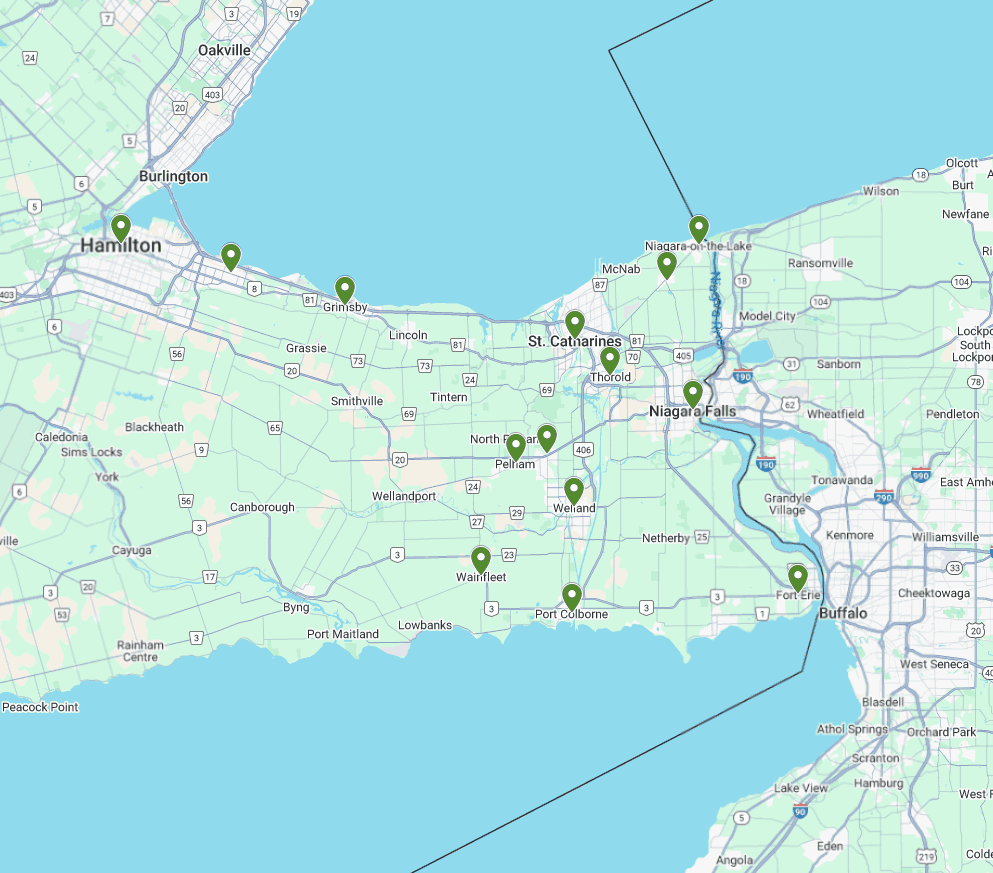
Service Areas
Our service areas encompass a wide range of locations, ensuring that we can meet the needs of our clients wherever they are. From bustling urban centers to serene rural landscapes, we are committed to providing top-notch services tailored to each unique environment.