



Water heater replacement in Fort Erie provides guidance on when to repair versus replace, comparing tank, tankless, and hybrid systems suited to local climate and water conditions. The guide covers sizing for peak demand, efficiency considerations, and typical installation timelines, plus warranty details and financing or rebate options. It also describes the replacement process, post-installation testing, and maintenance steps to extend life and reliability, emphasizing hard water treatment and regular descaling for Fort Erie homes.
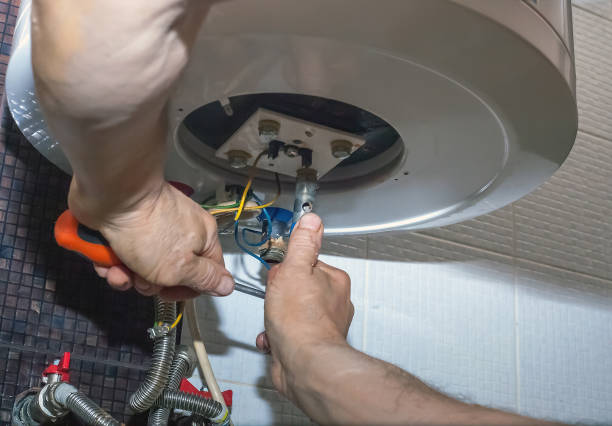
Water Heater Replacement in Fort Erie, ON
Replacing a failing water heater is a major home decision that affects comfort, energy bills, and safety. For Fort Erie homeowners, local climate and water conditions make the right replacement choice especially important. when replacement is recommended versus repair, the available system options (tank, tankless, and hybrid), the step‑by‑step replacement process, sizing and efficiency tradeoffs, warranty and brand considerations, financing and rebate possibilities, typical timelines, and post‑installation care to keep your system running reliably.
When to Repair and When to Replace
Knowing whether to repair or replace your water heater depends on age, symptoms, and long‑term cost:
- Age: Storage tanks typically last 8–12 years; tankless systems often last 15–20 years with proper maintenance. If your unit is near the end of its expected lifespan, replacement is generally the smarter long‑term investment.
- Common failure signs:
- Persistent leaks or pooling around the tank
- Rusty or discolored water coming from taps
- Frequent or escalating repair costs
- Inability to supply enough hot water for household needs
- Strange noises (sediment build‑up in tanks)
- Repair vs replacement rule of thumb: When repair costs approach half the price of a new unit, or if performance problems recur, replacement is typically recommended. In Fort Erie, where cold winters increase hot water demand, replacing an inefficient unit can also improve reliability and reduce energy use.
Replacement Options — Pros, Cons, and Which Fits Your Fort Erie Home
Choosing the right style depends on household size, fuel type, available space, and water conditions.
- Conventional tank water heaters
- Pros: Lower upfront cost, simple installation, good for high simultaneous demand
- Cons: Higher standby heat loss, larger footprint, shorter lifespan
- Typical sizes: 151–303 L (40–80 US gallons) suitable for most Fort Erie homes
- Tankless (on‑demand) water heaters
- Pros: Continuous hot water, lower operating costs, compact footprint, longer life expectancy
- Cons: Higher upfront cost, flow‑rate limits (important for homes with simultaneous showers and appliances), sensitive to hard water and scale
- Typical flow rates: 8–19 L/min (2–5 GPM); size to match peak simultaneous demand
- Heat pump (hybrid) water heaters
- Pros: Very high efficiency for electric systems, lower operating costs in mild climates
- Cons: Larger unit, requires space with good airflow, efficiency diminishes in very cold environments (may require backup heating)
- Fuel considerations: Natural gas is common in the region for fast recovery and lower operating costs for tanks; electric units and heat pump options are viable where gas is unavailable.
Fort Erie-specific note: Lake Erie proximity and local water hardness can accelerate scale buildup in tankless units. If your home has hard or mineral‑rich water, plan for water softening or more frequent descaling.
System Sizing and Energy Efficiency Comparisons
Proper sizing avoids wasted energy and supply shortfalls:
- For storage tanks, choose capacity based on household size and peak demand (families typically need larger tanks). Recovery rate (how fast the tank reheats) is important if you have high consecutive demand.
- For tankless, size by required flow rate and temperature rise (incoming groundwater temperature in winter in Fort Erie is lower, so tankless units need higher capacity to achieve desired hot water temperature).
- Efficiency metrics: Look at Uniform Energy Factor (UEF) for tanks and energy factor or UEF ratings for tankless and hybrids. Higher UEF means better efficiency. Heat pump models often deliver the best operating efficiency for electric systems.
Replacement Process: What to Expect
A professional replacement typically follows these steps:
Most straight swap installations in typical homes can be completed in a single day. Conversions (electric to gas or adding ventilation) or complex rerouting may take two to three days and require follow‑up inspections.
Brands, Warranties and Quality Considerations
Reputable brands commonly installed in Ontario include manufacturers such as Rheem, Bradford White, A.O. Smith, Rinnai, Navien, Bosch, and Takagi. Warranties vary by model and component:
- Storage tanks usually carry limited warranties from 3 to 12 years on the tank and parts.
- Tankless units often have longer heat exchanger warranties (up to 10–15 years) but shorter parts warranties.
- Heat pump water heaters have manufacturer warranties that vary; check compressor and tank coverage.
Ask about warranty registration and what routine maintenance is required to keep the warranty valid.
Financing, Rebates and Incentives
Fort Erie homeowners may be eligible for provincial or federal incentives and utility rebates for upgrading to high‑efficiency or low‑carbon systems (including heat pump water heaters and some tankless models). Financing programs or payment options are often available through third‑party lenders or utility partners. Eligibility and program details change periodically, so confirm current incentives before deciding.
Post‑Installation Testing and Ongoing Maintenance
After installation, the system should be commissioned and tested for proper operation. Long‑term reliability depends on routine maintenance:
- Annual tasks:
- Flush tanked water heaters to remove sediment
- Inspect and test the temperature and pressure relief valve
- Check and replace sacrificial anode rods as needed
- For tankless units, perform descaling or water treatment per manufacturer guidelines (especially important in Fort Erie if water hardness is an issue)
- Verify expansion tank pressure and check fittings
- Temperature settings: Manufacturers often recommend higher storage temperatures (around 60°C) to control bacteria, but a thermostatic mixing valve reduces scald risk at taps. Balance safety and energy savings.
- Winter considerations: Protect outdoor or garage‑mounted units from freezing. Insulate exposed pipes and ensure outdoor vents are clear of snow and ice in winter months.
Replacing your water heater is a valuable opportunity to improve comfort, lower operating costs, and reduce risks associated with leaks and failures. In Fort Erie, local climate and water quality shape product choice and maintenance needs, so choose a solution sized and installed for your home’s specific conditions and long‑term goals.

Customer Testimonials

Lifesavers!! The AC in our house decided to quit the day we were passing the keys to the new owners!! Instead of making a service call to the house, John coached me through the minor repair over the phone, saving me the money and time waiting for a repair person to come.Much appreciated! Thanks again John

I have used Niagara Home heating for multiple projects for over 16 years. John and his staff are absolutely the best. I tell all my friends and family about Niagara Home Heating because you won’t get any better service or pricing anywhere in Niagara. He has saved me thousands and thousands of dollars and has never let me down.
I called John today at 2:pm as my AC was not working and I wasn’t expecting even a call back as I knew with this hot weather we have had he would be swamped with calls. Well he called me back and showed at 8:pm on the same day to fix my AC. That is just incredible service and how much John really cares about his clients. Thank you John !
I had an issue with my hot water tank and called Niagara Home Heating. Their service was fantastic and reasonably priced—exactly how a business should be run!
We had an amazing experience getting our new furnace installed with Niagara Home Heating. The owner was very helpful, their quote was more then competitive and the technician who installed the unit was professional and friendly. I would recommend their services.
Very efficient company. I needed an old solar water heater removed from my roof. They were quick to book an appointment for the next day after I sent photos. They were very knowledgeable of the issue. The 2 guys that came were friendly and competent with the job, including removal of all parts.

Service Areas
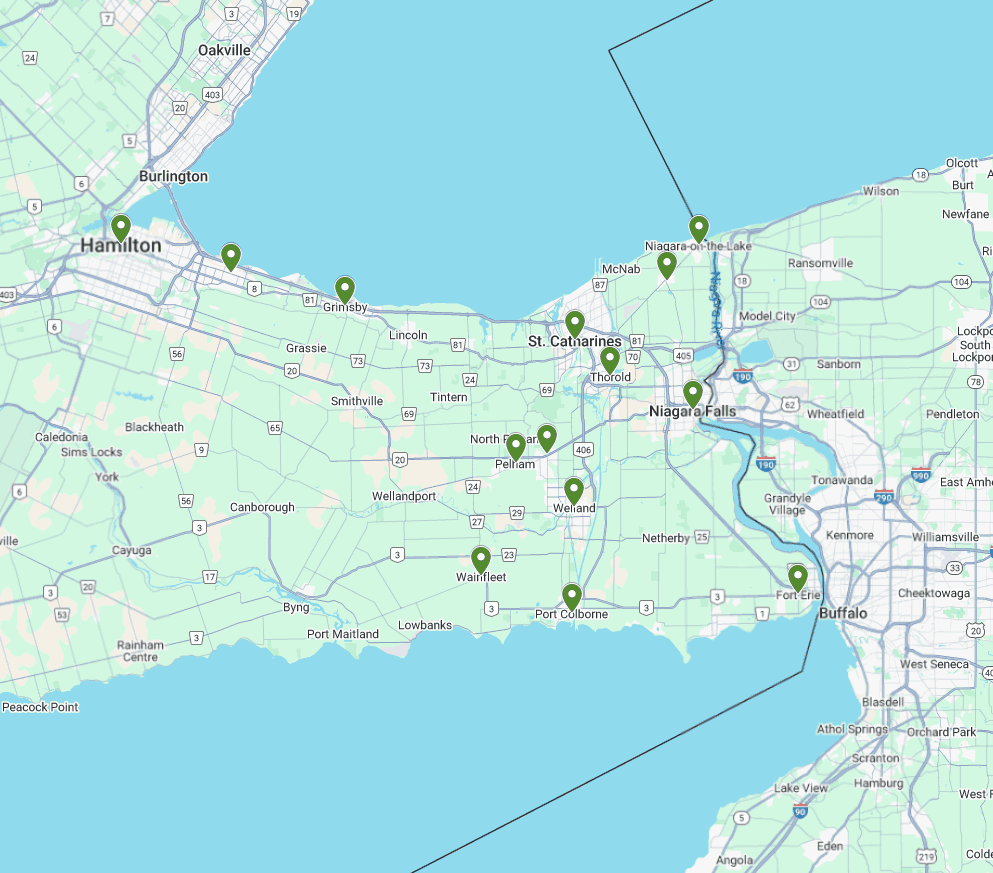
Our service areas encompass a wide range of locations, ensuring that we can meet the needs of our clients wherever they are. From bustling urban centers to serene rural landscapes, we are committed to providing top-notch services tailored to each unique environment.