



Water heater installation in Fort Erie, ON is presented as a comprehensive, code-conscious service guiding homeowners from pre-install assessment through post-install maintenance. It describes options (storage tank, tankless, rental), local regulations, and safety commissioning, then details a step-by-step process from site preparation to system fill, testing, and final commissioning. It also covers permits, scheduling, homeowner orientation, warranty registration, and long-term value, emphasizing proper sizing, venting, energy efficiency, and seasonal considerations for Fort Erie properties.
Water Heater Installation in Fort Erie, ON
Replacing or installing a water heater is a major decision for Fort Erie homeowners. With cold winters, occasional lake-effect weather from Lake Erie, and a mix of older and newer houses in the area, you need a water heating solution that is reliable, efficient, and installed to local code. professional water heater installation in Fort Erie, ON, covering pre-install assessment, options (tank, tankless, rental), the installation process, safety commissioning, homeowner orientation, warranty registration and maintenance plans, plus how permits and scheduling are handled for Fort Erie properties.
Why a local, professional installation matters in Fort Erie
Fort Erie homes face temperature swings, hard water in some neighbourhoods, and homes with tight basements or limited mechanical space. Proper sizing, fuel selection, and venting choices tailored to local conditions reduce the risk of cold-weather failures, freeze-related pipe damage, and high energy bills. A locally experienced technician will ensure your installation meets Ontario regulations and Fort Erie municipal requirements and is set up to perform well year after year.
Common water heater issues and installation types
Homeowners in Fort Erie commonly consider replacement when they experience:
- Insufficient hot water or frequent temperature drops
- Rusty or discolored water, which can indicate tank corrosion
- Leaks around the tank or connections
- Higher than expected energy bills
- Old units nearing end of life (typical tank lifespan 8-12 years)
Installation options:
- Storage tank water heaters (natural gas, propane, or electric) - proven reliability, lower initial cost, require space for a tank and proper venting for gas units.
- Tankless (on-demand) water heaters - compact, energy-efficient for households with lower continuous demand, require correct gas line sizing or electrical capacity and proper venting.
- Rental water heaters - short-term solution for owners who prefer predictable monthly fees and included repairs; useful for properties that need immediate replacement without capital expense.
Pre-install assessment: what we evaluate
Before installation, a professional assessment should cover:
- Sizing: Determine required capacity (litres and recovery rate) for family size and peak demand. For tankless units, calculate flow rates for simultaneous fixtures.
- Fuel type and availability: Verify natural gas, propane, or electrical service and whether upgrades (gas line, venting, electrical breaker) are needed.
- Location and access: Evaluate basement, utility closet, garage, or exterior mount possibilities; consider clearances, roof/sidewall venting paths, and condensate drainage for high-efficiency units.
- Venting and combustion air: Ensure safe venting to the outside and adequate combustion air per Ontario code and TSSA regulations for gas appliances.
- Structural and plumbing conditions: Inspect water lines, shutoff valves, floor drains, and seismic or overflow protection as required.
- Code compliance and permits: Confirm municipal permit needs and applicable Ontario Building Code and TSSA requirements.
Step-by-step installation process
A typical professional installation follows these steps:
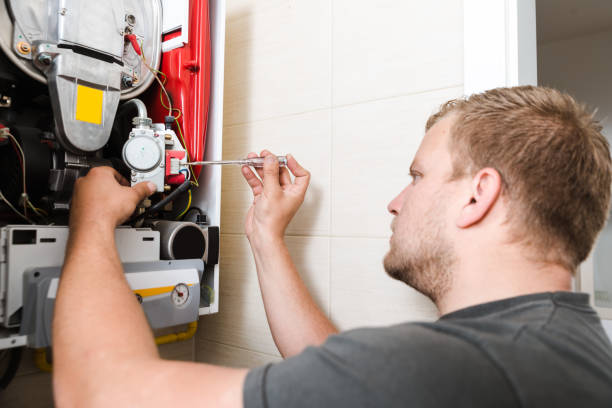
- Isolate utilities (gas/electric and water), drain and disconnect the existing unit, and safely remove it from the property.
- Ensure proper platform or pad, install drain pan if required, and prepare venting routes or mount points for tankless units.
- Install new water lines, pressure/temperature relief valve, and connect gas piping or electrical circuits sized for the new unit.
- Install or modify venting to meet code; seal and support vents to prevent backdrafting.
- Insulate exposed hot and cold water lines and install freeze protection measures for exterior or unheated locations common in Fort Erie homes.
- Pressurize the system, check all connections, and address any leaks before firing the appliance.
- Start the unit, verify flame quality (for gas), check thermostats and controls, and confirm proper operation at varying loads.
Safety checks and commissioning checklist
Before leaving the job, an installer should complete and document:
- Visual inspection of all connections and venting
- Gas leak test and carbon monoxide risk assessment for gas systems
- Pressure relief valve function and overflow routing
- Temperature calibration and anti-scald settings where required
- Condensate disposal check for high-efficiency units
- Verification of local code compliance and any required signage or labels
Homeowner orientation and maintenance advice
A professional install includes a homeowner walkthrough covering:
- How to operate the unit and set temperatures safely
- Routine maintenance tasks: annual flushing of tank units to remove sediment, checking/cleaning inlet filters on tankless models, and inspecting anode rods on tanks
- Signs of trouble to watch for: reduced hot water, unusual noises, visible leaks, or repeated pilot outages
- Recommended maintenance schedule: annual inspection and tune-up to maintain efficiency and extend equipment life
- Winter preparedness: keep utility spaces above freezing, maintain insulation on pipes, and ensure outdoor vents and intakes are clear of snow and debris in Fort Erie winters
Warranty registration and service plans
Professional installations include guidance on:
- Manufacturer warranty registration to activate coverage
- Explanation of what the warranty covers and typical exclusions (sediment damage, improper maintenance, freezing)
- Optional service plans that provide annual inspections, priority scheduling, and reduced diagnostic fees — valuable in Fort Erie where winter failures are untimely and potentially damaging
Permits and scheduling for Fort Erie installations
Water heater replacements often require permits and inspections to meet Ontario and local Fort Erie rules. Professional installers should:
- Prepare and submit permit applications to the Town of Fort Erie when required
- Coordinate inspections with municipal authorities and ensure final sign-off
- Schedule installations with consideration for seasonal constraints, accessibility, and any utility upgrades needed
Final benefits and long-term value
A correctly sized, code-compliant water heater installed by experienced local technicians delivers dependable hot water, better energy efficiency, and peace of mind during Fort Erie’s cold months. Timely professional installation plus routine servicing reduces emergency breakdowns, preserves manufacturer warranty coverage, and maximizes equipment lifespan.
This information outlines what to expect from a thorough, code-conscious water heater installation in Fort Erie, ON, including technical steps, safety checks, and homeowner-focused education to ensure long-term performance and reliability.

Customer Testimonials

I had an issue with my hot water tank and called Niagara Home Heating. Their service was fantastic and reasonably priced—exactly how a business should be run!

Very efficient company. I needed an old solar water heater removed from my roof. They were quick to book an appointment for the next day after I sent photos. They were very knowledgeable of the issue. The 2 guys that came were friendly and competent with the job, including removal of all parts.
We had an amazing experience getting our new furnace installed with Niagara Home Heating. The owner was very helpful, their quote was more then competitive and the technician who installed the unit was professional and friendly. I would recommend their services.
I called John today at 2:pm as my AC was not working and I wasn’t expecting even a call back as I knew with this hot weather we have had he would be swamped with calls. Well he called me back and showed at 8:pm on the same day to fix my AC. That is just incredible service and how much John really cares about his clients. Thank you John !
Lifesavers!! The AC in our house decided to quit the day we were passing the keys to the new owners!! Instead of making a service call to the house, John coached me through the minor repair over the phone, saving me the money and time waiting for a repair person to come.Much appreciated! Thanks again John
I have used Niagara Home heating for multiple projects for over 16 years. John and his staff are absolutely the best. I tell all my friends and family about Niagara Home Heating because you won’t get any better service or pricing anywhere in Niagara. He has saved me thousands and thousands of dollars and has never let me down.

Service Areas
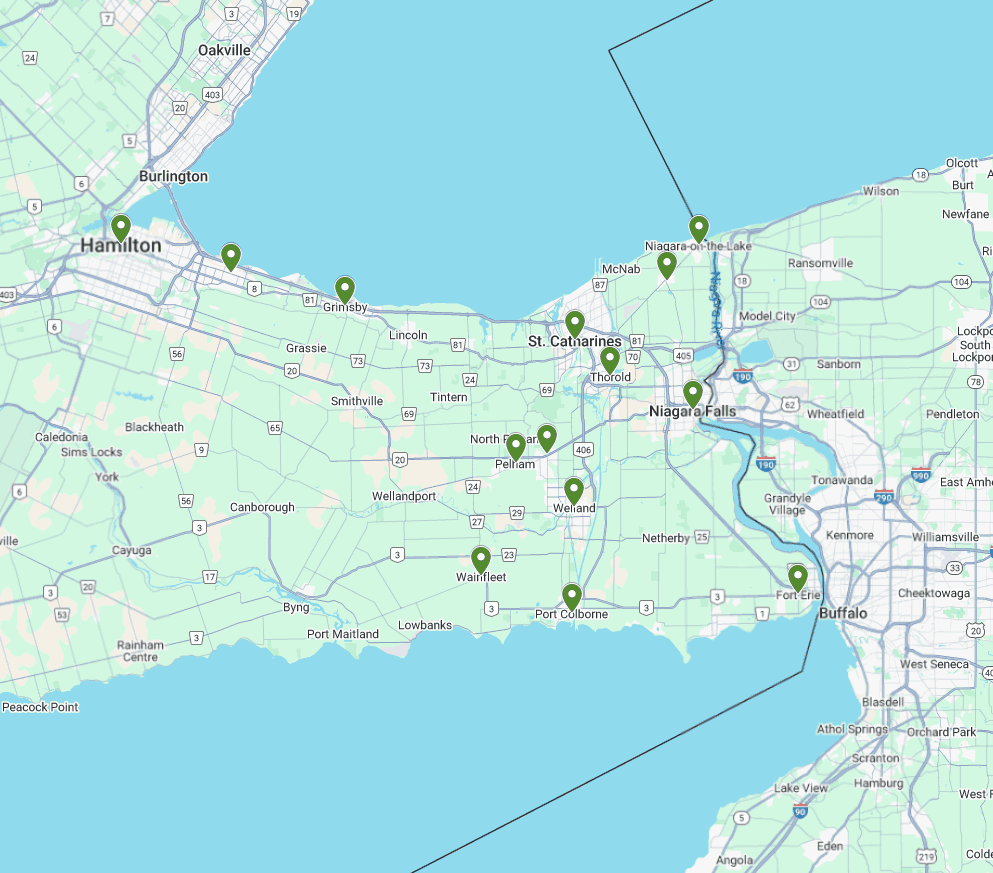
Our service areas encompass a wide range of locations, ensuring that we can meet the needs of our clients wherever they are. From bustling urban centers to serene rural landscapes, we are committed to providing top-notch services tailored to each unique environment.