



It describes the complete process for installing a tankless water heater in Thorold, ON, from initial site assessment and load calculations to venting, gas and electrical connections, and commissioning. It compares condensing and non-condensing options, highlights code requirements, permits, and safety considerations, and covers maintenance, warranties, and rental alternatives. With a focus on proper sizing, careful installation, and reliable performance, it describes timelines, expectations, and what homeowners should plan for during installation and aftercare.
Tankless Water Heater Installation in Thorold, ON
Upgrading to a tankless water heater delivers on-demand hot water, smaller footprint, and meaningful energy savings for Thorold, ON homes. the full professional installation process so you know what to expect: the site assessment and load calculations, venting and plumbing work, electrical and gas requirements, the choice between condensing and non-condensing units, step-by-step installation and commissioning, permitting and safety considerations, recommended maintenance plans and rental alternatives, typical timelines, and warranty basics. The goal is clear, code-compliant workmanship that performs reliably in Niagara Region conditions.
Why tankless makes sense in Thorold, ON
Thorold experiences cold winters and seasonal peak demand for hot water. A properly sized tankless system eliminates long waits for hot water from a drained storage tank and reduces standby heat loss. However, local factors matter: Niagara Region water can have higher mineral content that increases scaling risk, and winter inlet temperatures are lower, which affects required unit capacity. A professional assessment ensures the unit matches your household habits and local conditions.
Initial site assessment and load calculations
A thorough installation begins with a site visit. Key checks include:
- Measuring peak hot water demand in litres per minute based on simultaneous fixtures and appliances.
- Checking incoming water temperature during winter to determine the required temperature rise.
- Verifying gas line capacity and pressure for gas-fired units or electrical supply size for electric models.
- Evaluating potential venting paths, clearances, and placement options to meet code.
- Inspecting water quality for hardness and sediment that may require water treatment.
Load calculations translate your household needs into a recommended model size. For decision-stage customers, these calculations prevent undersizing (cold showers) and oversizing (unnecessary cost).
Venting, plumbing, and electrical work
Venting and utility connections are central to a clean, safe installation.
- Venting: Non-condensing gas units exhaust at high temperatures and typically require stainless steel Class A venting. Condensing units exhaust cooler flue gases and commonly use schedule 40 CPVC or specialized polypropylene venting, but they also produce condensate that must be drained correctly.
- Plumbing: Installation includes new hot and cold shutoff valves, proper piping materials and slope for condensate where applicable, expansion control for closed systems, and a temperature and pressure relief setup. Isolation valves and a service loop make future maintenance easier.
- Electrical: Electric tankless units need appropriately sized breakers and dedicated circuits. Gas tankless units require 120 V for controls and ignition; make sure the panel has capacity and the wiring follows Ontario electrical code.
All components are installed to meet Ontario Building Code requirements and local bylaws. Proper vent termination distances from windows, doors, and property lines are respected.
Condensing vs non-condensing units: options and benefits
Choosing between condensing and non-condensing tankless models depends on budget, efficiency goals, and venting constraints.
- Condensing units:
- Higher thermal efficiency, often saving more on energy bills.
- Lower exhaust temperatures allow flexible, less expensive venting materials.
- Produce acidic condensate that must be neutralized or drained to a suitable trap.
- Usually higher upfront cost but better long-term efficiency in cold climates.
- Non-condensing units:
- Lower initial cost and simpler condensate handling (typically none).
- Require robust stainless steel venting due to hotter exhaust.
- May be preferable where vent runs are short and fuel use is moderate.
A site-specific recommendation will weigh upfront cost, expected savings, venting route, and water hardness.
Step-by-step installation and commissioning
A professional installation follows a logical sequence to ensure safety and performance:
During commissioning, technicians will confirm the unit can deliver the calculated flow at the necessary temperature rise and will log installation details for warranty records.
Permitting, safety, and code compliance
Installations in Thorold must comply with provincial and municipal rules. Typical considerations include:
- Building permits and inspections when altering gas, plumbing, or structural elements.
- Adherence to Ontario Building Code and Technical Standards and Safety Authority guidance for fuel-fired appliances.
- Proper combustion air, venting clearances, seismic and mounting requirements where applicable.Documenting the work and leaving accessible manuals and compliance paperwork is standard practice.
Maintenance, warranty, and rental options
To protect performance and warranty coverage, follow a routine maintenance plan:
- Annual descaling or flushing to remove mineral buildup, especially in hard water areas.
- Regular inspection and cleaning of air intakes and venting.
- Checking condensate traps and neutralizers for condensing units.
- Replacing filters and verifying gas pressure and ignition components.
Typical manufacturer warranties vary by model. Expect limited parts warranties of 1 to 5 years and heat exchanger protection commonly 5 to 15 years, depending on brand and registration. Installer labor warranties vary; ask about coverage for service calls.
For short-term needs during renovations or emergencies, rental tankless units or temporary water heaters are a practical option. Rentals provide immediate hot water while a permanent system is installed or when replacing a failed unit.
Timelines and what you can expect on installation day
- Site assessment and quote: one service visit, usually 1 to 2 hours.
- Simple retrofit installation: many jobs are completed in a single day (4 to 8 hours) when venting and utility access are straightforward.
- Complex installations: if significant gas line upgrades, new vent runs, electrical work, or permitting are required, allow 1 to 3 days for onsite work plus permit processing time.
- Permitting: municipal review times vary; plan for a few days to a few weeks depending on workload and scope.
Installers committed to clean, professional workmanship will protect floors and finishes, label shutoffs, and leave the area tidy. Expect code-compliant piping runs, secure venting, and neat electrical terminations.
Final considerations for Thorold homeowners
A properly installed tankless water heater matched to your household needs and local conditions gives reliable hot water and efficiency gains. In Thorold, account for cold inlet water, potential hard water scaling, and local permitting rules when planning an installation. Professional load calculations, careful venting choices between condensing and non-condensing units, and a regular maintenance plan are the keys to long service life and warranty protection.

Customer Testimonials

We had an amazing experience getting our new furnace installed with Niagara Home Heating. The owner was very helpful, their quote was more then competitive and the technician who installed the unit was professional and friendly. I would recommend their services.

Very efficient company. I needed an old solar water heater removed from my roof. They were quick to book an appointment for the next day after I sent photos. They were very knowledgeable of the issue. The 2 guys that came were friendly and competent with the job, including removal of all parts.
I called John today at 2:pm as my AC was not working and I wasn’t expecting even a call back as I knew with this hot weather we have had he would be swamped with calls. Well he called me back and showed at 8:pm on the same day to fix my AC. That is just incredible service and how much John really cares about his clients. Thank you John !
I had an issue with my hot water tank and called Niagara Home Heating. Their service was fantastic and reasonably priced—exactly how a business should be run!
I have used Niagara Home heating for multiple projects for over 16 years. John and his staff are absolutely the best. I tell all my friends and family about Niagara Home Heating because you won’t get any better service or pricing anywhere in Niagara. He has saved me thousands and thousands of dollars and has never let me down.
Lifesavers!! The AC in our house decided to quit the day we were passing the keys to the new owners!! Instead of making a service call to the house, John coached me through the minor repair over the phone, saving me the money and time waiting for a repair person to come.Much appreciated! Thanks again John

Service Areas
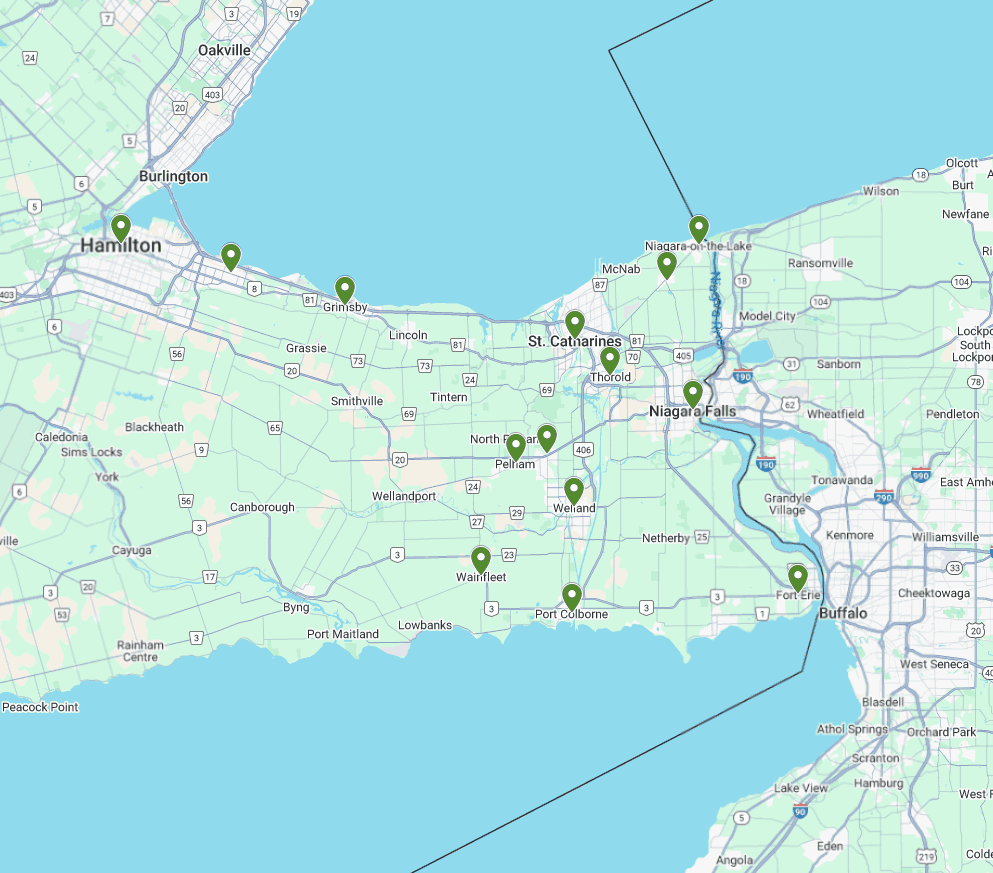
Our service areas encompass a wide range of locations, ensuring that we can meet the needs of our clients wherever they are. From bustling urban centers to serene rural landscapes, we are committed to providing top-notch services tailored to each unique environment.