



Tankless Water Heater Replacement in Thorold, ON describes when to replace versus repair, highlighting common failure signs and reliability concerns. It guides selecting the right unit based on flow, temperature rise, and efficiency, and describes replacement options, removal and disposal, and compliance. The piece covers typical timelines, cost components, and permits, plus projected energy savings and payback, financing and local rebate opportunities, and post-install commissioning and maintenance to protect warranty and ensure lasting performance for Thorold homes facing cold winters.
Tankless Water Heater Replacement in Thorold, ON
Upgrading to a new tankless water heater is a significant decision for Thorold homeowners. Cold winters, older plumbing in many Niagara Region homes, and higher hot-water demand during family routines make it important to know when a repair is enough and when replacement will give you more reliable hot water, lower energy use, and longer-term value. the signs that replacement is recommended, how to choose the right tankless unit for your home, what the replacement process looks like in Thorold, and what to expect after installation.
When to replace vs repair: common signs in Thorold homes
Replacing a tankless unit is usually recommended when the system shows multiple or recurring failures, or when performance no longer meets your household needs. Look for:
- Repeated burner or ignition failures after several repairs
- Declining hot water flow or inconsistent temperatures during peak use
- Frequent error codes related to the heat exchanger or electronic control
- Signs of internal corrosion, persistent leaks, or scale buildup that cannot be reliably cleared
- Unit approaching or past its expected service life and lacking modern efficiency features
Because Thorold’s winters can drive high hot-water usage (longer showers, dishwashing after indoor activities), intermittent performance that used to be tolerable can quickly become a daily problem. If repairs are becoming routine, replacement often delivers better reliability and efficiency.
Types of tankless replacement services
- Like-for-like unit swap (same fuel and similar capacity)
- Upsizing to meet higher peak demand (more capacity or multiple units)
- Fuel conversion or line upgrades (e.g., natural gas line sizing)
- Venting and termination upgrades for modern condensing units
- Water treatment integration when hard water is a factor
Selecting the right replacement unit for your Thorold home
Choosing the correct tankless unit focuses on three key factors: flow rate, temperature rise, and efficiency.
- Flow rate: Calculate peak simultaneous demand (showers, dishwasher, laundry). Flow rate is measured in litres per minute (L/min). For Thorold homes with multiple bathrooms, consider the combined flow needed during morning/evening peaks.
- Temperature rise: Determine required increase by subtracting incoming ground water temperature (colder in Niagara’s winter) from desired hot water temperature. Tanks in colder months need higher capacity to achieve the same outlet temperature.
- Efficiency and technology: Look for condensing units and high energy factor ratings. Condensing units reclaim more heat from exhaust and are better suited to long-term savings in colder climates.
Other considerations:
- Fuel type and gas line capacity: Many older homes need gas-line upgrades for high-output units.
- Space and venting: Condensing units often require different venting than older non-condensing models.
- Water quality: If Thorold’s water is moderately hard, add scale-reduction or softening measures to extend unit life.
Common brands and warranty options
Leading manufacturers commonly used in residential replacements include Rinnai, Navien, Bosch, Rheem, and Takagi. Warranties typically break down into:
- Heat exchanger coverage (longest element; often multi-year to decade-plus on newer models)
- Parts and labor for shorter durations
- Optional extended warranties for homeowners who want added protection
When evaluating replacement options, compare warranty length and what is covered (labor, parts, and conditions like required annual maintenance).
Removal, disposal, and compliance in Thorold
Professional replacement includes:
- Safe shutdown and gas/electrical disconnection of the old unit
- Removal and responsible disposal of the old heater in accordance with Niagara Region and Thorold waste regulations
- Inspection and repair of venting, condensate drains, and gas piping as needed
- Filling and flushing when switching systems to remove debris and scale
Toronto Niagara Region rules require certain disposal steps for appliances containing components that must be handled as regulated waste; a licensed HVAC technician will ensure legal compliance.
Replacement timeline and what to expect
Typical replacement timelines for a standard residential tankless swap:
- Onsite assessment and sizing: single visit (1–2 hours)
- Scheduling and pre-install checks (venting, gas capacity, permits if required)
- Replacement day: most straight swaps take a full workday (4–8 hours). More complex installs (gas line upgrades, venting changes, multiple units) may take 1–2 days.
- Final commissioning, testing, and homeowner orientation: completed the same day as installation for most projects
Permits or municipal inspections can add additional time; planning ahead in Thorold’s busy seasons helps avoid delays.
Cost components (what determines the final price)
Instead of a single figure, consider these cost components that determine overall investment:
- Equipment selection (brand, model, capacity, condensing vs non-condensing)
- Installation complexity (venting, gas line, electrical upgrades)
- Labor and time on site
- Removal and disposal of old equipment
- Required permits or inspections
- Optional add-ons (water treatment, recirculation loops, isolation valves)
Understanding each component clarifies trade-offs between lower upfront expense and long-term reliability/efficiency.
Energy savings and payback expectations
A modern tankless unit can reduce water heating energy consumption for many households, especially where standby losses from tanks were a factor. Actual savings depend on household usage patterns, local natural gas prices, and unit efficiency. Typical outcomes:
- Lower energy consumption during routine use because water is heated on demand
- Higher efficiency gains in homes with intermittent hot-water use
- Faster recovery and continuous hot water for larger households if properly sized
Payback timelines vary depending on energy prices and usage patterns; homeowners should evaluate long-term utility savings alongside warranty and expected service life.
Financing and local rebate opportunities in Thorold
Homeowners in the Niagara Region may qualify for provincial, federal, or utility incentives for energy-efficient upgrades. Financing options, including low-interest loans or payment plans, are commonly available through HVAC providers or third-party programs. Ask about eligibility for local energy-efficiency incentives and what documentation is required for rebate applications.
Post-replacement commissioning and maintenance
A thorough commissioning process is essential for performance and warranty validation:
- Gas pressure and combustion testing
- Flow and temperature verification at multiple fixtures
- Venting and condensate checks
- Software/configuration setup and error-code verification
- Demonstration of operation and maintenance needs for the homeowner
Regular maintenance—descaling, filter checks, and annual inspections—extends service life and preserves warranty coverage, particularly important in areas with water hardness concerns.
ConclusionReplacing a tankless water heater in Thorold, ON requires careful assessment of household demand, incoming water temperature in Niagara’s climate, venting and gas capacity, and long-term efficiency goals. Prioritizing correct sizing, quality equipment, proper disposal, and professional commissioning will deliver dependable hot water, reduced energy use, and a system backed by suitable warranty protection and maintenance.

Customer Testimonials

We had an amazing experience getting our new furnace installed with Niagara Home Heating. The owner was very helpful, their quote was more then competitive and the technician who installed the unit was professional and friendly. I would recommend their services.

Very efficient company. I needed an old solar water heater removed from my roof. They were quick to book an appointment for the next day after I sent photos. They were very knowledgeable of the issue. The 2 guys that came were friendly and competent with the job, including removal of all parts.
I called John today at 2:pm as my AC was not working and I wasn’t expecting even a call back as I knew with this hot weather we have had he would be swamped with calls. Well he called me back and showed at 8:pm on the same day to fix my AC. That is just incredible service and how much John really cares about his clients. Thank you John !
I had an issue with my hot water tank and called Niagara Home Heating. Their service was fantastic and reasonably priced—exactly how a business should be run!
Lifesavers!! The AC in our house decided to quit the day we were passing the keys to the new owners!! Instead of making a service call to the house, John coached me through the minor repair over the phone, saving me the money and time waiting for a repair person to come.Much appreciated! Thanks again John
I have used Niagara Home heating for multiple projects for over 16 years. John and his staff are absolutely the best. I tell all my friends and family about Niagara Home Heating because you won’t get any better service or pricing anywhere in Niagara. He has saved me thousands and thousands of dollars and has never let me down.

Service Areas
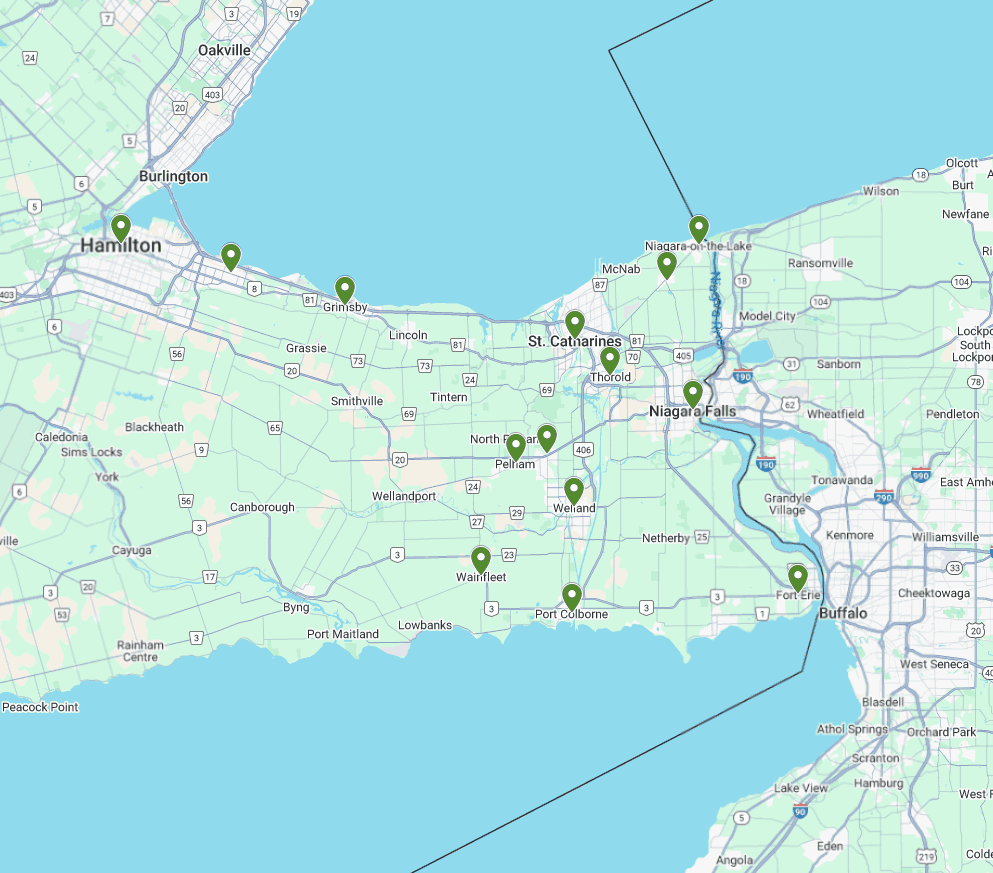
Our service areas encompass a wide range of locations, ensuring that we can meet the needs of our clients wherever they are. From bustling urban centers to serene rural landscapes, we are committed to providing top-notch services tailored to each unique environment.