



It describes the complete tankless water heater installation process for Virgil, ON residents, from consultation through post-install maintenance. It covers sizing, load calculations, and permit handling, along with site prep, gas and electrical considerations, and venting requirements. Readers learn about timelines, pricing factors, warranties, and maintenance plans designed to protect investment. The guide also provides practical aftercare tips and homeowner reminders to ensure reliable hot water, energy efficiency, and long-term system performance in Niagara Region homes.
Tankless Water Heater Installation in Virgil, ON
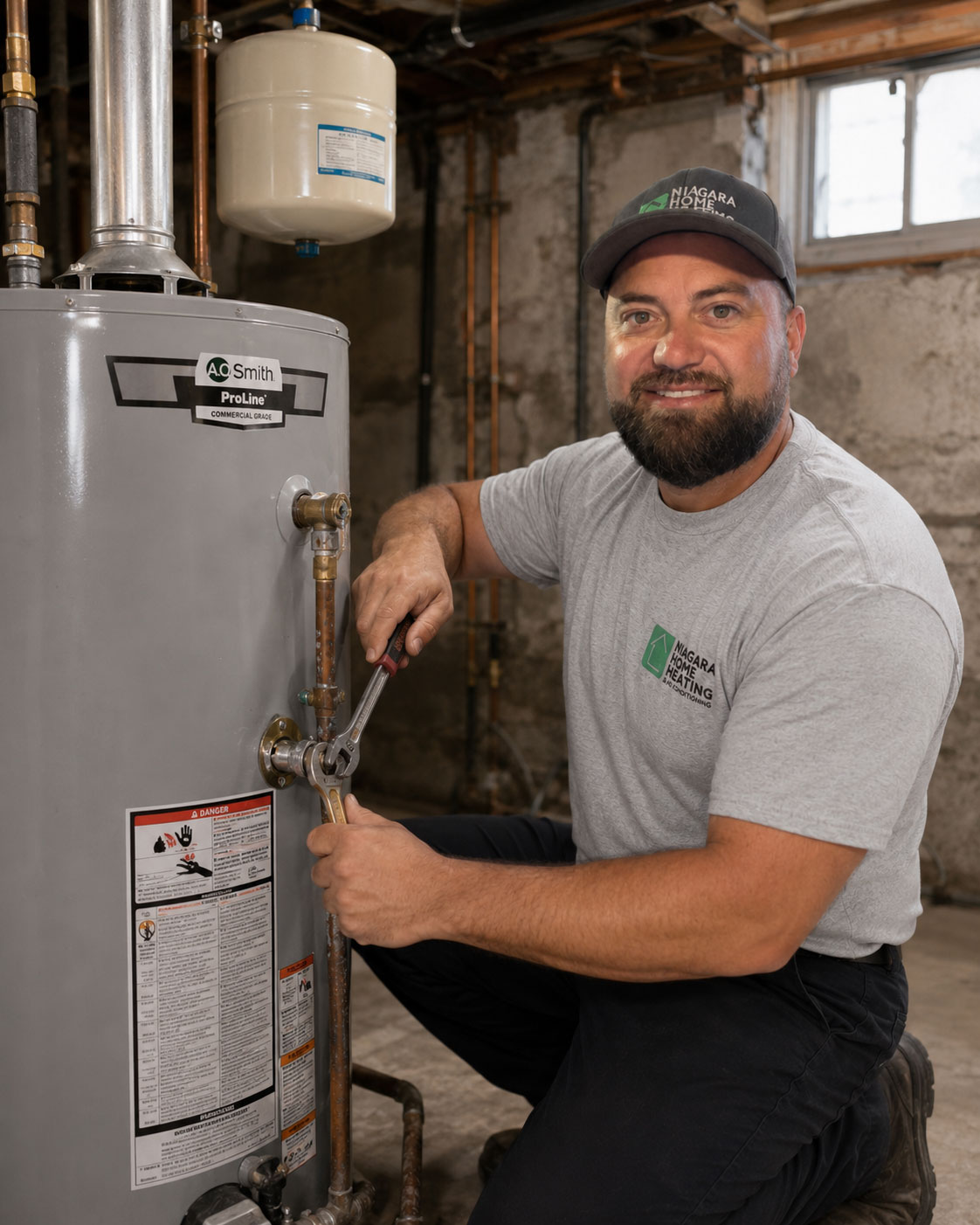
Upgrading to a tankless (on-demand) water heater is one of the most effective ways to cut energy waste, free up utility room space, and get consistent hot water for your Virgil, ON home. Because Niagara Region winters produce very cold inlet water temperatures and older homes may have limited gas or venting capacity, a proper tankless water heater installation in Virgil, ON requires careful planning. It outlines our installation process, what to expect during the consultation and site prep, how sizing and permits are handled, typical timelines, warranty and maintenance options, and practical aftercare tips so you can decide with confidence.
Why choose tankless for Virgil homes
- Instant hot water with reduced standby heat loss compared with tanks
- Smaller footprint frees space in utility rooms or basements common in older Virgil houses
- Longer service life when professionally installed and maintained
- Better efficiency in homes with moderate-to-high hot water demand, especially for families or homes with multiple bathrooms
Keep in mind that very cold groundwater in winter increases the heating load for a tankless unit. That is why accurate sizing and proper venting are key to getting the performance you expect year-round.
Common tankless water heater types and common issues in Virgil, ON
- Condensing gas tankless units (high efficiency; require condensate drain and corrosion-resistant venting)
- Non-condensing gas units (simpler venting but lower efficiency)
- Electric tankless units (good for smaller homes or point-of-use installs; require adequate electrical service)Common installation or replacement issues we see in Virgil:
- Undersized units due to not accounting for low winter inlet temperatures
- Insufficient gas line or meter capacity for high-demand units
- Inadequate or incorrect venting through masonry walls or older chimneys
- Hard water mineral buildup reducing performance and lifespan
Pre-installation consultation and load/sizing calculations
A thorough consultation precedes every installation. Key steps:
- Review hot water use patterns (number of simultaneous fixtures, appliances, shower flow rates)
- Measure cold water inlet temperature typical for Virgil winters to determine required temperature rise
- Calculate required flow rate (GPM) and resultant kW or BTU demand for the unit
- Inspect existing gas, electrical, and venting infrastructure to identify upgradesThis ensures your new tankless unit can deliver the flow and temperature you need, even during the coldest months.
Site preparation: plumbing, gas/electrical, and venting
Proper site preparation avoids delays and future problems:
- Plumbing: install isolation valves, sediment filters, and a pressure relief device. Plan piping layout to minimize heat loss and consider a small recirculation loop if you want near-instant hot water at distant fixtures.
- Gas: confirm supply line size and meter capacity. Older Virgil homes often need gas line upsizing to support a whole-house tankless unit.
- Electrical: gas tankless units require electrical power for controls and ignition; electric models need sufficient circuit capacity and breakers sized to the unit.
- Venting: condensing units typically use PVC or specialized stainless steel venting; non-condensing units require stainless venting to withstand higher temperatures. Route vents to minimize length and bends for efficiency and compliance.
- Condensate: condensing units produce acidic condensate that must be drained to an appropriate location per code, with freeze protection considered for outdoor lines.
Permits and code compliance
All installations in Virgil follow Ontario Building Code and local municipal requirements (Town of Pelham and Niagara Region). Required items:
- Gas permit and inspection for gas-fired units
- Electrical permit if electrical service or panel upgrades are needed
- Building or mechanical permit for venting alterationsA licensed installer will submit permits, arrange inspections, and ensure the installation meets manufacturer instructions and local codes.
Step-by-step installation process
Timeline and pricing factors
Typical installations for a straightforward like-for-like replacement can be completed in a single day. More complex retrofits—such as gas line upgrades, new vent runs through masonry, or panel upgrades—may require two days or multiple trades and inspections. Pricing depends on:
- Chosen unit type and capacity
- Gas line or electrical upgrades required
- Venting complexity and materials
- Need for water treatment to protect the unit from hard waterEstimates should be based on an on-site assessment and load calculation to ensure accurate scope and cost expectations.
Warranty, maintenance plans, and protecting your investment
Most manufacturers provide a parts warranty and limited warranty on heat exchangers; professional labor warranties cover installation workmanship. Recommended maintenance options for Virgil homes:
- Annual inspection and cleaning of intake and exhaust vents
- Flushing or descaling for mineral buildup every 6-12 months depending on water hardness
- Replace sediment and scale prevention filters as per manufacturer guidance
- Consider a water softener or electronic scale inhibitor if local water hardness is highA maintenance plan that combines annual checks and priority service preserves efficiency and extends service life.
Homeowner aftercare guidance
- Set temperature to a safe, comfortable level (and lower when away) to reduce energy use
- Learn and note common error codes printed in the manual; some can be resolved by simple resets, others require technician diagnosis
- Keep the area around the unit clear and maintain condensate drain lines during winter to prevent freezing
- Monitor for irregular noises, drops in flow, or fluctuating water temperatures—these are early signs of scale or venting problems
- Schedule annual maintenance, especially in spring or fall when demand is moderate
Installing a tankless water heater in Virgil, ON is a smart long-term upgrade when sized and installed to meet local climate demands and home infrastructure. Proper planning for gas and venting, adherence to local permit requirements, and a consistent maintenance routine translate into reliable hot water, improved energy efficiency, and a longer-lasting system that fits the needs of Niagara Region homes.

Customer Testimonials

We had an amazing experience getting our new furnace installed with Niagara Home Heating. The owner was very helpful, their quote was more then competitive and the technician who installed the unit was professional and friendly. I would recommend their services.

I called John today at 2:pm as my AC was not working and I wasn’t expecting even a call back as I knew with this hot weather we have had he would be swamped with calls. Well he called me back and showed at 8:pm on the same day to fix my AC. That is just incredible service and how much John really cares about his clients. Thank you John !
I have used Niagara Home heating for multiple projects for over 16 years. John and his staff are absolutely the best. I tell all my friends and family about Niagara Home Heating because you won’t get any better service or pricing anywhere in Niagara. He has saved me thousands and thousands of dollars and has never let me down.
Lifesavers!! The AC in our house decided to quit the day we were passing the keys to the new owners!! Instead of making a service call to the house, John coached me through the minor repair over the phone, saving me the money and time waiting for a repair person to come.Much appreciated! Thanks again John
I had an issue with my hot water tank and called Niagara Home Heating. Their service was fantastic and reasonably priced—exactly how a business should be run!
Very efficient company. I needed an old solar water heater removed from my roof. They were quick to book an appointment for the next day after I sent photos. They were very knowledgeable of the issue. The 2 guys that came were friendly and competent with the job, including removal of all parts.

Service Areas
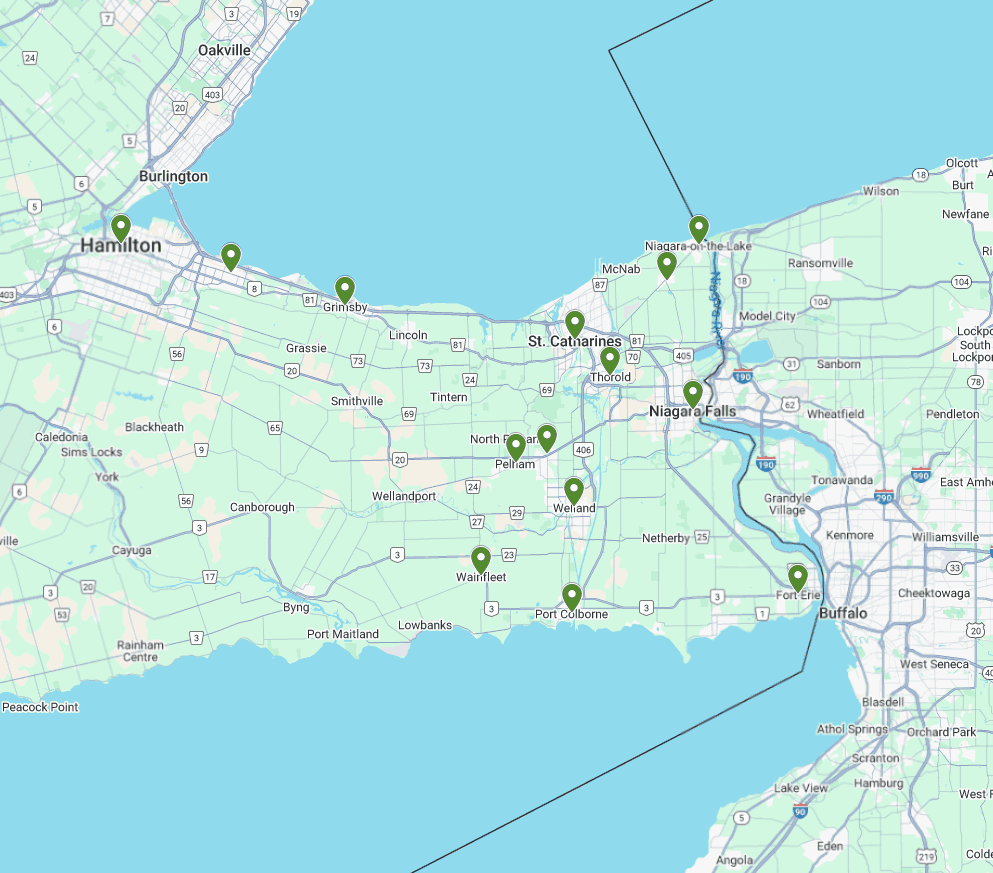
Our service areas encompass a wide range of locations, ensuring that we can meet the needs of our clients wherever they are. From bustling urban centers to serene rural landscapes, we are committed to providing top-notch services tailored to each unique environment.