



It describes professional water heater installation in Virgil, ON, emphasizing code compliance, safety, and long-term value. It compares tank and tankless options, describes sizing, fuel choices, and the importance of a thorough site assessment. It details a step-by-step installation process, from permits to commissioning, and highlights testing, safety devices, and final handover. It also covers maintenance planning, warranty registration, and realistic timelines for local installations and post-installation support. Protect your investment with regular service visits and clear homeowner guidance.

Water Heater Installation in Virgil, ON
Upgrading or replacing your water heater is a decision that affects comfort, safety, and energy bills in your Virgil home. Whether you are dealing with an old, leaking tank or looking to switch to a more efficient tankless system, a professional water heater installation in Virgil, ON ensures the job meets Ontario codes, local permitting requirements, and the practical needs of homes in the Niagara region.
Common water heater problems and when to replace
- Leaks from the tank base, fittings, or T&P valve — often a signal that a tank replacement is needed
- Frequent repairs or anode rod corrosion — when repair costs approach replacement value
- Insufficient hot water or long recovery times — common in undersized tanks or older units
- Rusty/brown water and sediment buildup — reduces efficiency and lifespan
- High energy bills or failing to meet household hot water demand — a sign to evaluate higher-efficiency options
In Virgil, cold winter temperatures make reliable hot water essential. Hard water and mineral scaling in the Niagara region can accelerate wear on tanks and tankless heat exchangers, so replacement tends to be a long-term value play.
Choosing the right system: tank vs tankless and fuel type
Choosing the proper unit involves lifestyle, household size, fuel availability, and long-term efficiency goals.
- Tank water heaters
- Pros: lower upfront cost, simple installation in many retrofits, reliable bulk storage for multiple simultaneous uses
- Cons: standby heat loss, larger footprint, sediment buildup in hard-water areas
- Tankless (on-demand) water heaters
- Pros: virtually unlimited hot water, lower long-term energy use for many households, smaller footprint
- Cons: higher upfront cost, may require larger gas line or upgraded electrical service, potential scale buildup in hard-water homes without maintenance
- Fuel types
- Natural gas: common in many Virgil homes; typically lower operating cost for high demands
- Propane: common in rural or non-gas neighborhoods — requires safe tank and proper venting
- Electric: simpler installation where high-capacity electric service exists; consider electric heat pump water heaters for higher efficiency in suitable homes
- Hybrid/heat pump: highly efficient option in conditioned spaces but requires space and ambient heat to operate efficiently
Sizing guidance (general): choose tank capacity or tankless flow rate based on household peak usage. Typical family sizes may need 40–80 gallon tanks or tankless units sized for combined fixture demand. A site assessment will confirm proper sizing for your Virgil home.
Site assessment and code/permitting requirements
Before installation, a thorough on-site assessment is essential:
- Verify fuel availability and meter capacity (natural gas or propane) or electrical service capacity for electric/heat pump units
- Inspect proposed location for venting, clearances, and code-compliant combustion air (gas units)
- Check for existing water pressure levels and the need for a pressure regulator or expansion tank for closed systems
- Identify structural, drainage, or access constraints and any need to relocate piping or vents
Permitting and regulations:
- Installations in Virgil must comply with Ontario regulations and local municipal permitting (Town of Pelham / regional building department).
- Gas appliance work must follow TSSA and manufacturer requirements, and electrical work must meet ESA standards. Your installation should be documented and left ready for inspection by local authorities when required.
Step-by-step installation process (what to expect)
Pre-install preparation
- Finalize model selection and confirm required clearances, vent routes, and utilities
- Pull necessary permits if replacing or installing a new unit
Removal of existing equipment (if applicable)
- Safely disconnect fuel, electrical, and water connections; drain and remove the old unit per environmental and local disposal rules
Rough-in and mechanical connections
- Install new venting (direct vent, power vent, or conventional) per code and manufacturer instructions
- Connect gas or electrical supply with appropriate sized lines, fittings, and shut-off valves
- Install water connections with dielectric unions where dissimilar metals join and include a properly sized pressure/temperature relief (T&P) valve and discharge piping
System integration and safety devices
- Fit expansion tank for closed systems and pressure regulators where needed
- Set up condensate drains for high-efficiency units and check for proper slope and freezing protection in exterior runs
Commissioning and testing
- Fill and purge the system of air, check for leaks on all connections
- For gas units: perform combustion analysis, verify correct manifold pressure, and confirm safe vent draft and CO levels
- For electric/heat pump units: verify circuit protection, element/heat pump operation and continuity
- Calibrate thermostat and set water temperature to the recommended level (about 49°C / 120°F for safety and energy savings) and test the T&P valve operation per manufacturer guidance
Final inspection and paperwork
- Prepare permit documentation and support inspection by local authorities where applicable
- Provide manufacturer warranty registration information and maintenance instructions
Testing, commissioning and handover
A professional installation includes a full commissioning checklist: leak and pressure testing, combustion checks for gas appliances, vent integrity, electrical verification, and a walk-through with the homeowner to explain operation and safety features. All installed devices should be registered for warranty when permitted and relevant paperwork left for the homeowner.
Post-installation guidance and maintenance plans
- Recommended settings: keep water thermostat near 49°C (120°F) to balance comfort and scald risk
- Annual maintenance for tanks: flush to remove sediment, inspect anode rod every 2–4 years, check T&P valve and drain line
- Tankless maintenance: descaling/flush and filter cleaning at least once per year in hard-water areas; frequency increases with mineral content
- Keep vent terminations and combustion air openings clear of snow and debris during winter months in Virgil
- Consider a whole-house water softener if local water tests show high hardness to prolong equipment life
Warranty registration and records: register equipment per manufacturer instructions and keep service records to protect warranty coverage.
Rentals and temporary solutions in Virgil
For emergency replacements or when a home renovation requires interim hot water, rental hot water tanks and temporary tankless units are commonly available. Rentals provide immediate hot water while permits are processed or when a phased installation is required.
Typical timelines for installations in Virgil, ON
- Simple like-for-like replacement: often completed in a single day if no permit or property access constraints exist
- New installs, conversions (electric to gas, or tank to tankless) or relocations: typically 1–3 days on-site plus permitting and inspection time that can add several days to a few weeks depending on municipal scheduling
- Permit and inspection windows vary by season; winter conditions in the Niagara region can add scheduling considerations for venting and exterior work
Why prompt, professional installation matters in Virgil homesA correct water heater installation protects your family from safety risks, lowers operating costs, and reduces the chance of premature failure. In Virgil, where winters are cold and mineral content can affect equipment longevity, professional assessment, code-compliant installation, and a practical maintenance plan will deliver dependable hot water and better long-term value.

Customer Testimonials

Very efficient company. I needed an old solar water heater removed from my roof. They were quick to book an appointment for the next day after I sent photos. They were very knowledgeable of the issue. The 2 guys that came were friendly and competent with the job, including removal of all parts.

Lifesavers!! The AC in our house decided to quit the day we were passing the keys to the new owners!! Instead of making a service call to the house, John coached me through the minor repair over the phone, saving me the money and time waiting for a repair person to come.Much appreciated! Thanks again John
We had an amazing experience getting our new furnace installed with Niagara Home Heating. The owner was very helpful, their quote was more then competitive and the technician who installed the unit was professional and friendly. I would recommend their services.
I had an issue with my hot water tank and called Niagara Home Heating. Their service was fantastic and reasonably priced—exactly how a business should be run!
I have used Niagara Home heating for multiple projects for over 16 years. John and his staff are absolutely the best. I tell all my friends and family about Niagara Home Heating because you won’t get any better service or pricing anywhere in Niagara. He has saved me thousands and thousands of dollars and has never let me down.
I called John today at 2:pm as my AC was not working and I wasn’t expecting even a call back as I knew with this hot weather we have had he would be swamped with calls. Well he called me back and showed at 8:pm on the same day to fix my AC. That is just incredible service and how much John really cares about his clients. Thank you John !

Service Areas
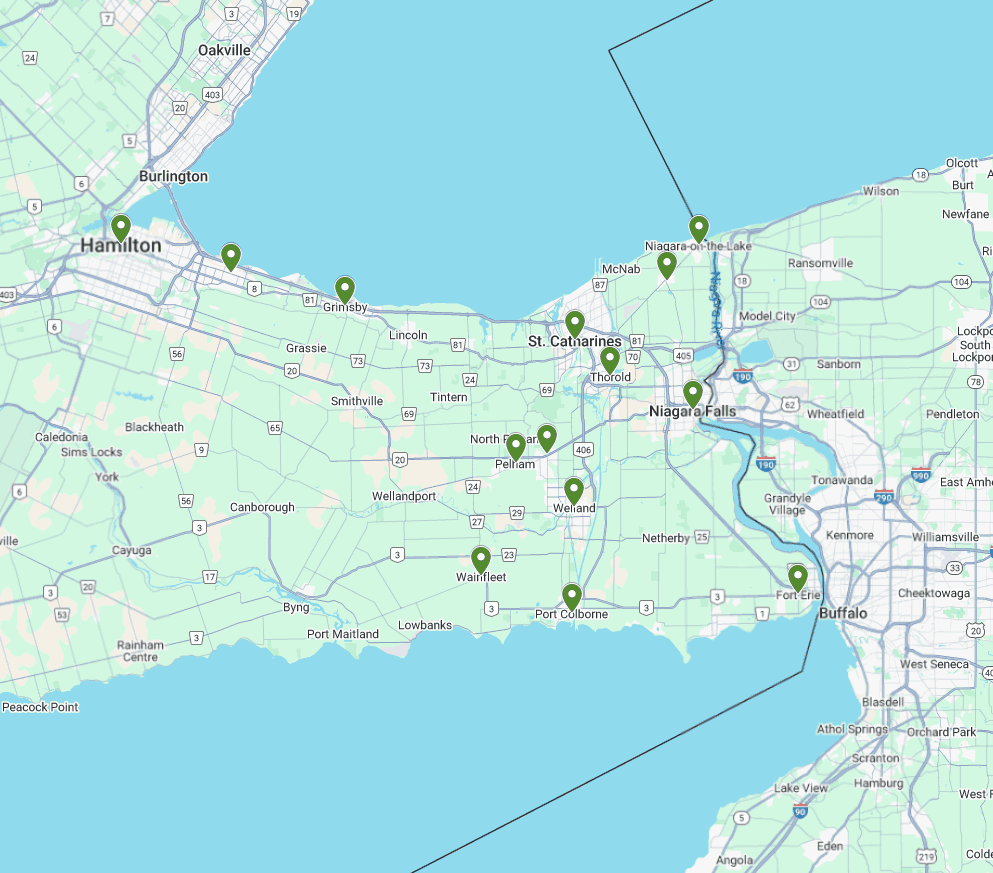
Our service areas encompass a wide range of locations, ensuring that we can meet the needs of our clients wherever they are. From bustling urban centers to serene rural landscapes, we are committed to providing top-notch services tailored to each unique environment.