



Tankless water heater replacement in Virgil, ON provides a clear path to reliable hot water, energy savings, and a smaller footprint. The guide describes when to replace, how we assess your current system, and how to select a high-efficiency model suited to Niagara Region conditions. It covers removal, disposal, installation timelines, typical costs, and available rebates, plus warranty coverage and post-installation support. It also offers maintenance tips to maximize lifespan, efficiency, and long-term performance for Virgil homes.
Tankless Water Heater Replacement in Virgil, ON
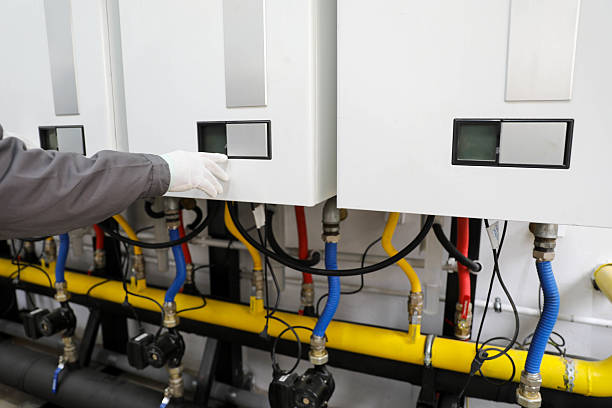
Upgrading to a new tankless water heater is a smart decision for Virgil homes that want reliable hot water, lower energy bills, and a smaller equipment footprint. It covers when replacement is recommended, how we evaluate your existing system, selecting the right high-efficiency model for Niagara Region conditions, removal and environmentally responsible disposal, typical timelines and costs, warranty and rebate considerations, and the post-installation testing and support that ensures long-term performance.
Why replace your tankless water heater in Virgil, ON
Virgil experiences cold winters and variable water quality that affect tankless performance. Common reasons to replace rather than repair include:
- Age: most tankless units approach end of life after 10–15 years, especially if exposed to hard water or heavy use.
- Persistent inefficiency: rising energy bills or an inability to maintain set temperatures during peak demand.
- Repeated failures: frequent repairs signal underlying wear of the heat exchanger or electronic components.
- Inadequate capacity: new household usage (additional bathrooms, heat pumps, or a renovation) exceeds the unit’s flow rate.
- Obsolete technology: newer condensing models and advanced controls deliver better efficiency and longer warranties.
Comprehensive on-site evaluation
A full replacement begins with a detailed assessment of your current installation:
- Inspect the existing unit, venting, gas line or electrical service, and condensate/drain routing.
- Measure average and peak hot water demand and note simultaneous fixture usage.
- Test incoming cold water temperature and check for signs of scale or corrosion—important in Niagara Region homes.
- Identify code or permit requirements under Ontario regulations, and determine if gas line, venting, or electrical upgrades are required.This evaluation provides a clear replacement recommendation and an accurate scope of work.
Choosing the right capacity and model for Virgil homes
Selecting capacity and technology is the most important decision for reliable, efficient performance.
- Capacity guidance: tankless capacity is measured in litres per minute (L/min). Typical ranges:
- Small homes or single fixture use: 6–10 L/min
- Average family: 10–15 L/min
- Large households or simultaneous use (two showers + dishwasher): 15–22+ L/min
- Account for cold-climate incoming water: winter groundwater in Niagara Region can be significantly colder, increasing the temperature rise (delta T) required. That means you may need a higher L/min rating than calculations based on summer temperatures.
- High-efficiency options:
- Gas condensing tankless units offer the best fuel efficiency and lower operating costs but require condensate management and stainless steel or corrosion-resistant venting.
- Non-condensing gas models are less expensive upfront but produce cooler exhaust and lower efficiency.
- Electric tankless units are compact and simpler to install for lower-demand homes but may require electrical panel upgrades for high-capacity needs.
- Features to consider: stainless steel or copper-aluminum heat exchangers with scale-resistant coatings, digital temperature controls, built-in recirculation compatibility, and demand-based modulation for fuel savings.
Removal and environmentally responsible disposal
Proper removal protects your home and the environment:
- Safely disconnect gas, water, and electrical feeds, following Ontario code.
- Drain and neutralize condensate where applicable.
- Recycle metals and electronic components; dispose of gas valves and connectors per hazardous material rules.
- Provide documentation confirming responsible disposal and any required municipal recycling forms.
Installation timeline and what to expect
Typical replacement job flow:
Cost estimates and financing/rebate options
Costs vary by unit type, capacity, and installation complexity. Typical ranges for Virgil area homes:
- Electric tankless unit + installation: approximately CAD 1,500–4,000
- Gas non-condensing tankless + installation: approximately CAD 2,500–5,500
- Gas condensing high-efficiency tankless + installation and required upgrades: approximately CAD 4,000–8,000+Factors that increase cost: gas line upgrades, new venting, structural changes, water treatment to prevent scaling, and permit/inspection fees. Many homeowners offset upfront costs through financing options, manufacturer rebates, and energy-efficiency incentive programs offered at provincial or federal levels. Availability varies over time; registration and proof of professional installation may be required for some programs.
Warranty and post-installation support
New tankless units typically come with layered coverage:
- Heat exchanger warranty: commonly 10–15 years on high-efficiency models
- Parts warranty: typically 1–5 years
- Labour warranty: varies by installer; some offer workmanship guaranteesWarranty terms differ by brand and model; registering the product and keeping records of professional installation and maintenance is essential for full coverage.
After installation we recommend:
- Comprehensive commissioning: temperature and flow verification, combustion analysis for gas units, vent integrity check, and condensation routing validation.
- Demonstration of controls and a walk-through so you can optimize setpoints and understand maintenance.
- A planned maintenance schedule: annual descaling/flush for areas with hard water, filter cleaning, and safety checks to preserve efficiency and extend warranty eligibility.
Maintenance and practical tips for Virgil homeowners
- Consider a water softener or scale-reducing device if your home has hard water; scale buildup shortens lifespan and reduces efficiency.
- Flush the unit at least once a year (more often in hard water areas).
- Set water temperature to a comfortable but efficient level (typically 49–55°C) to reduce energy use and scald risk.
- Insulate hot water pipes in colder basements to minimize heat loss and reduce demand on the unit.
- Keep vents, air intakes, and condensate drains clear of debris and ice during winter months.
Replacing a tankless water heater is an investment in long-term comfort and energy savings. By matching the right high-efficiency model to Virgil’s climate and household needs, ensuring proper installation, and following a regular maintenance routine, homeowners can expect reliable hot water, reduced operating costs, and extended equipment life.

Customer Testimonials

Very efficient company. I needed an old solar water heater removed from my roof. They were quick to book an appointment for the next day after I sent photos. They were very knowledgeable of the issue. The 2 guys that came were friendly and competent with the job, including removal of all parts.

We had an amazing experience getting our new furnace installed with Niagara Home Heating. The owner was very helpful, their quote was more then competitive and the technician who installed the unit was professional and friendly. I would recommend their services.
I called John today at 2:pm as my AC was not working and I wasn’t expecting even a call back as I knew with this hot weather we have had he would be swamped with calls. Well he called me back and showed at 8:pm on the same day to fix my AC. That is just incredible service and how much John really cares about his clients. Thank you John !
I have used Niagara Home heating for multiple projects for over 16 years. John and his staff are absolutely the best. I tell all my friends and family about Niagara Home Heating because you won’t get any better service or pricing anywhere in Niagara. He has saved me thousands and thousands of dollars and has never let me down.
Lifesavers!! The AC in our house decided to quit the day we were passing the keys to the new owners!! Instead of making a service call to the house, John coached me through the minor repair over the phone, saving me the money and time waiting for a repair person to come.Much appreciated! Thanks again John
I had an issue with my hot water tank and called Niagara Home Heating. Their service was fantastic and reasonably priced—exactly how a business should be run!

Service Areas
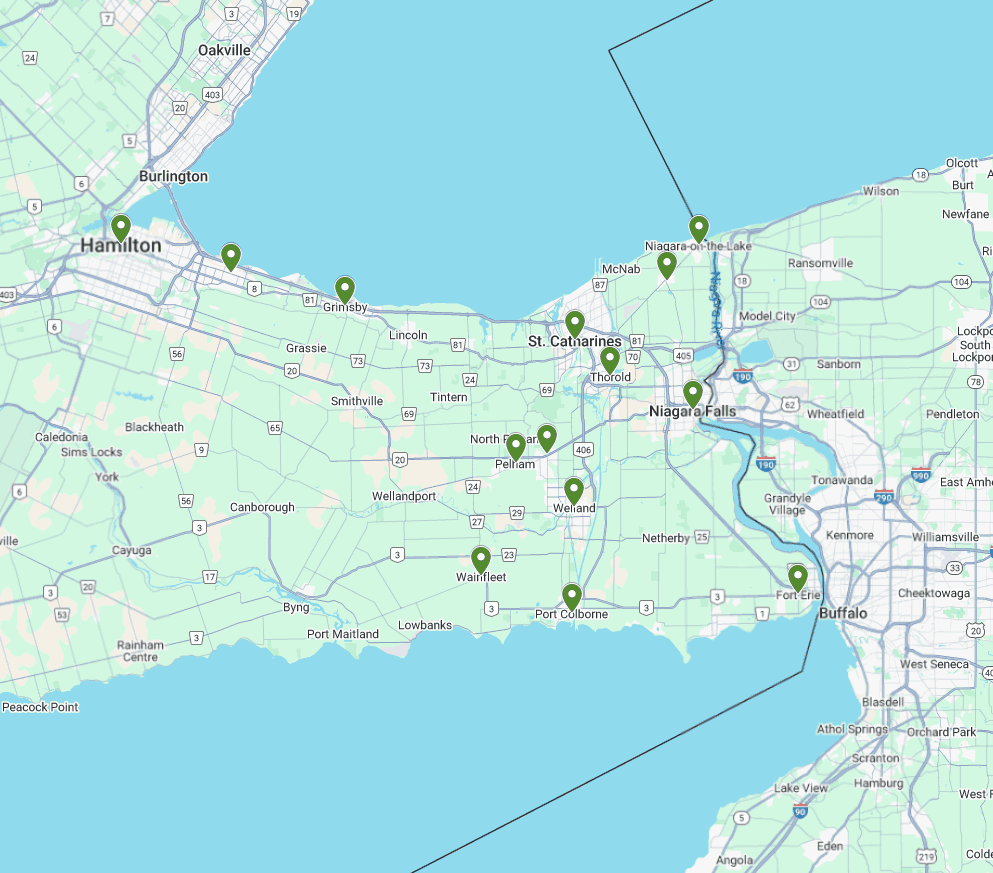
Our service areas encompass a wide range of locations, ensuring that we can meet the needs of our clients wherever they are. From bustling urban centers to serene rural landscapes, we are committed to providing top-notch services tailored to each unique environment.