



It describes common tankless water heater issues in Virgil, ON, from no hot water to ignition failures and leaks. It describes methodical diagnostic steps, key tests, and when to replace components such as heat exchangers, sensors, igniters, and valves. It also covers repair timelines, safety and warranty considerations, emergency options, and preventive maintenance to extend service life. The guidance emphasizes accurate diagnosis, quality parts, and professional assessment to restore reliable hot water efficiently for Virgil homes today.
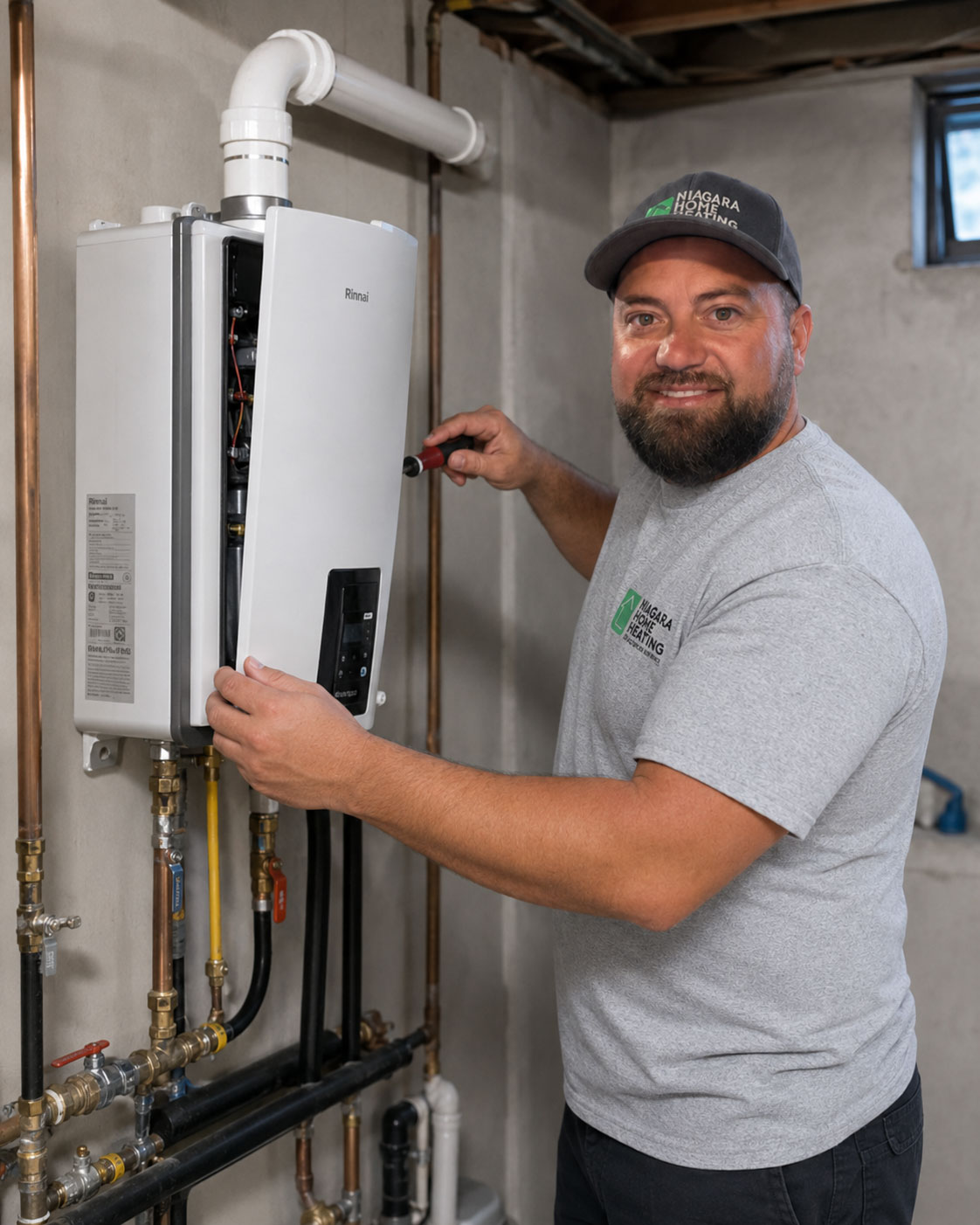
Tankless Water Heater Repair in Virgil, ON
A reliable hot water supply is essential in Virgil homes, especially through cold Niagara winters and the heavy household use that comes with family living. Tankless water heaters deliver on-demand hot water and energy savings, but when they fail the disruption is immediate. common tankless water heater problems in Virgil, ON, how professionals diagnose them, typical parts that require replacement, expected repair timelines, safety and warranty checks, emergency options, and practical maintenance steps to prevent repeat issues.
Common tankless water heater issues in Virgil, ON
Home-owners in the Virgil area most often report these failure symptoms:
- No hot water: unit will not heat despite power and fuel supply.
- Fluctuating or inconsistent temperatures: hot water cycles between hot and cold during a shower or when multiple fixtures run.
- Low flow or reduced output: water not reaching desired temperature at typical flow rates.
- Frequent shutdowns or error codes: unit resets or displays fault codes.
- Strange noises: popping or banging from scale buildup in the heat exchanger.
- Ignition or flame failure: gas-fired models fail to ignite or maintain combustion.
- Leaks or water damage: visible drips, corrosion, or dampness around connections.
Local factors in Virgil that increase risk: hard water in the Niagara Region causes scale buildup on heat exchangers and sensors, and cold winter temperatures raise the risk of freeze damage to external piping and condensate traps.
How technicians diagnose tankless failures
A methodical diagnosis reduces unnecessary part changes and gets systems back online quickly. Typical diagnostic steps:
Technicians follow local code and safety guidelines during every inspection, including checking for carbon monoxide risk on gas models.
Typical parts replaced during repairs
Common replacement parts and why they fail:
- Heat exchanger: damaged or scaled heat exchangers reduce efficiency and can develop leaks.
- Flow sensor: mineral deposits or electrical failure cause inaccurate flow detection and shutdowns.
- Igniter or ignition assembly: wear or combustion issues prevent reliable ignition.
- Gas control valve or regulator: faulty controls lead to poor flame or no heat.
- Temperature sensors (thermistors): incorrect readings cause inconsistent water temperature.
- Solenoid or diverter valves: fail to control water or gas flow properly.
- Control board / PCB: electrical faults or moisture damage can disable unit controls.
- Pressure relief valve and fittings: safety parts can fail or leak due to corrosion.
Using OEM parts where possible helps preserve manufacturer warranties and reliability. In some cases, refurbished or equivalent-quality components are used when compatible and approved.
Repair timelines and what to expect
Expected timeframes depend on symptom complexity and parts availability:
- On-site diagnosis typically takes 30-90 minutes.
- Minor repairs such as sensor, igniter, or flow sensor replacement are often completed the same day if parts are on hand.
- Major repairs like heat exchanger replacement or control board replacement can take 1-3 business days if parts must be ordered.
- Complex failures involving venting, gas line modifications, or access issues may require additional scheduling and inspections.
Factors that influence repair time include unit accessibility, part lead times, whether the unit is under warranty, and whether additional trades work (plumbing or gas) is required. Technicians will evaluate whether repair or replacement is the most cost-effective, long-term solution based on unit age and condition.
Safety checks and warranty considerations
Safety is a priority for every repair:
- Verify gas connections, pressure, and leak-free fittings on gas models.
- Confirm proper venting and combustion to avoid carbon monoxide risk.
- Check electrical connections and grounding on electric or hybrid units.
- Inspect surrounding area for water damage and address any safety hazards.
For warranty protection, technicians document repairs, use approved parts when required, and provide service records. If a unit is under manufacturer warranty, confirm coverage before replacing major components.
Emergency and rapid-response repairs in Virgil
Loss of hot water in winter or when multiple occupants need hot water can be urgent. Rapid-response options commonly offered include:
- Immediate diagnostic visits to restore temporary hot water where possible.
- On-the-spot minor repairs and safety checks to make the unit operational.
- Temporary bypass solutions or recommendations for alternate hot water while awaiting parts.
- Prioritizing heat exchanger or control board orders for customers in critical need.
Emergency response times depend on technician availability and local weather or road conditions common in the Virgil area during winter months.
Maintenance to prevent future problems
Regular maintenance significantly reduces failures and extends service life. Recommended maintenance for Virgil homes:
- Annual descaling or flushing to remove mineral buildup from heat exchangers.
- Clean or replace inlet screens and water filters every 6-12 months.
- Inspect venting and condensate drains for blockage or freezing before winter.
- Monitor error codes and have them diagnosed promptly rather than waiting.
- Consider a water softener or scale inhibitor if local water hardness is high.
- Keep the unit and surrounding area frost-free and protected from the elements.
A documented maintenance plan preserves efficiency, reduces emergency repairs, and supports warranty compliance.
When repair is the right choice
Repair is often the best path when failures are limited to sensors, valves, or control components, and the heat exchanger is intact. Consider replacement instead of repair when:
- The unit is older than its expected service life and failures are recurring.
- The heat exchanger is severely corroded or cracked.
- Multiple major components need replacing, making repairs uneconomical relative to a new unit.
- You want improved energy efficiency or higher capacity to meet household demand.
A professional assessment will weigh repair costs, remaining useful life, and the benefits of newer, more efficient models.
Keeping tankless water heaters running well in Virgil requires attention to local water quality and seasonal conditions. Accurate diagnosis, targeted repairs, safety-first practices, and routine maintenance help protect your hot water supply and ensure dependable performance through the cold months.

Customer Testimonials

Very efficient company. I needed an old solar water heater removed from my roof. They were quick to book an appointment for the next day after I sent photos. They were very knowledgeable of the issue. The 2 guys that came were friendly and competent with the job, including removal of all parts.

We had an amazing experience getting our new furnace installed with Niagara Home Heating. The owner was very helpful, their quote was more then competitive and the technician who installed the unit was professional and friendly. I would recommend their services.
I called John today at 2:pm as my AC was not working and I wasn’t expecting even a call back as I knew with this hot weather we have had he would be swamped with calls. Well he called me back and showed at 8:pm on the same day to fix my AC. That is just incredible service and how much John really cares about his clients. Thank you John !
I had an issue with my hot water tank and called Niagara Home Heating. Their service was fantastic and reasonably priced—exactly how a business should be run!
Lifesavers!! The AC in our house decided to quit the day we were passing the keys to the new owners!! Instead of making a service call to the house, John coached me through the minor repair over the phone, saving me the money and time waiting for a repair person to come.Much appreciated! Thanks again John
I have used Niagara Home heating for multiple projects for over 16 years. John and his staff are absolutely the best. I tell all my friends and family about Niagara Home Heating because you won’t get any better service or pricing anywhere in Niagara. He has saved me thousands and thousands of dollars and has never let me down.

Service Areas
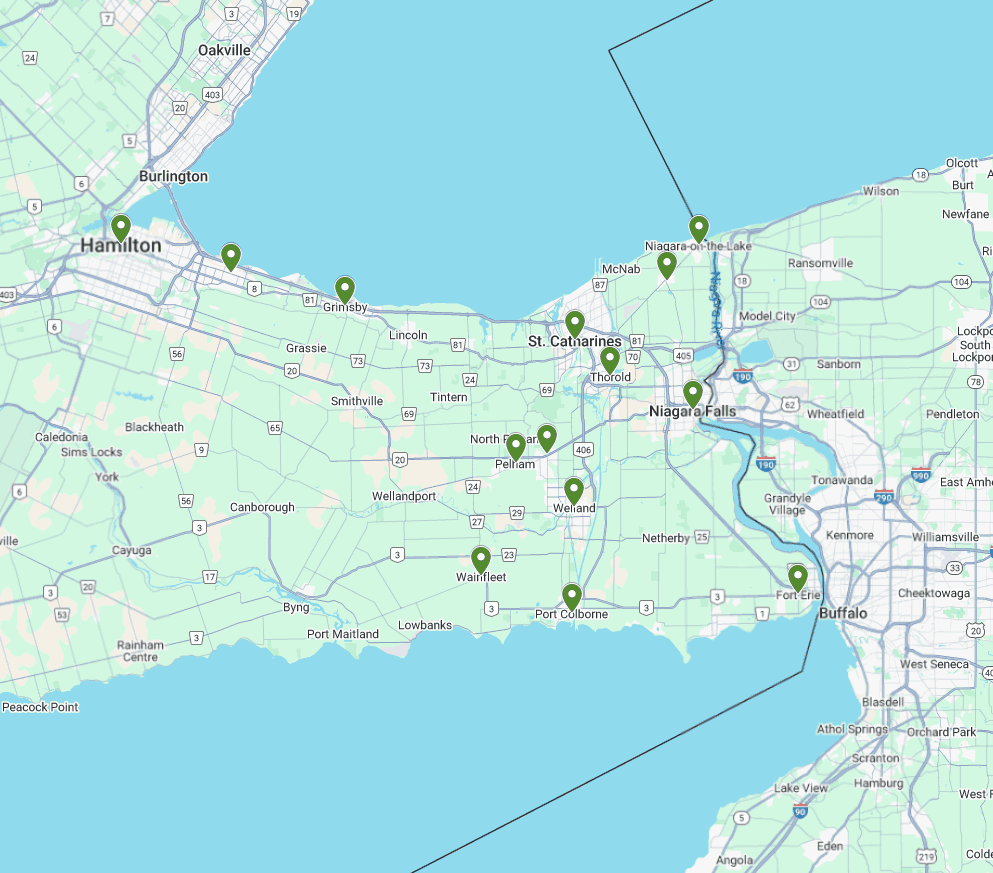
Our service areas encompass a wide range of locations, ensuring that we can meet the needs of our clients wherever they are. From bustling urban centers to serene rural landscapes, we are committed to providing top-notch services tailored to each unique environment.