



It describess Welland, ON homeowners through common tankless water heater problems, diagnostic methods, and repair options. It describes how mineral buildup, cold winters, and venting or gas issues can disrupt hot water, and describes a systematic process technicians use to identify root causes. Readers will learn typical components replaced, expected timelines, warranty considerations, and maintenance steps to prevent recurrence, with practical tips for safe operation, efficient performance, and value preservation in high-efficiency systems. This overview supports informed decisions and long-term reliability.
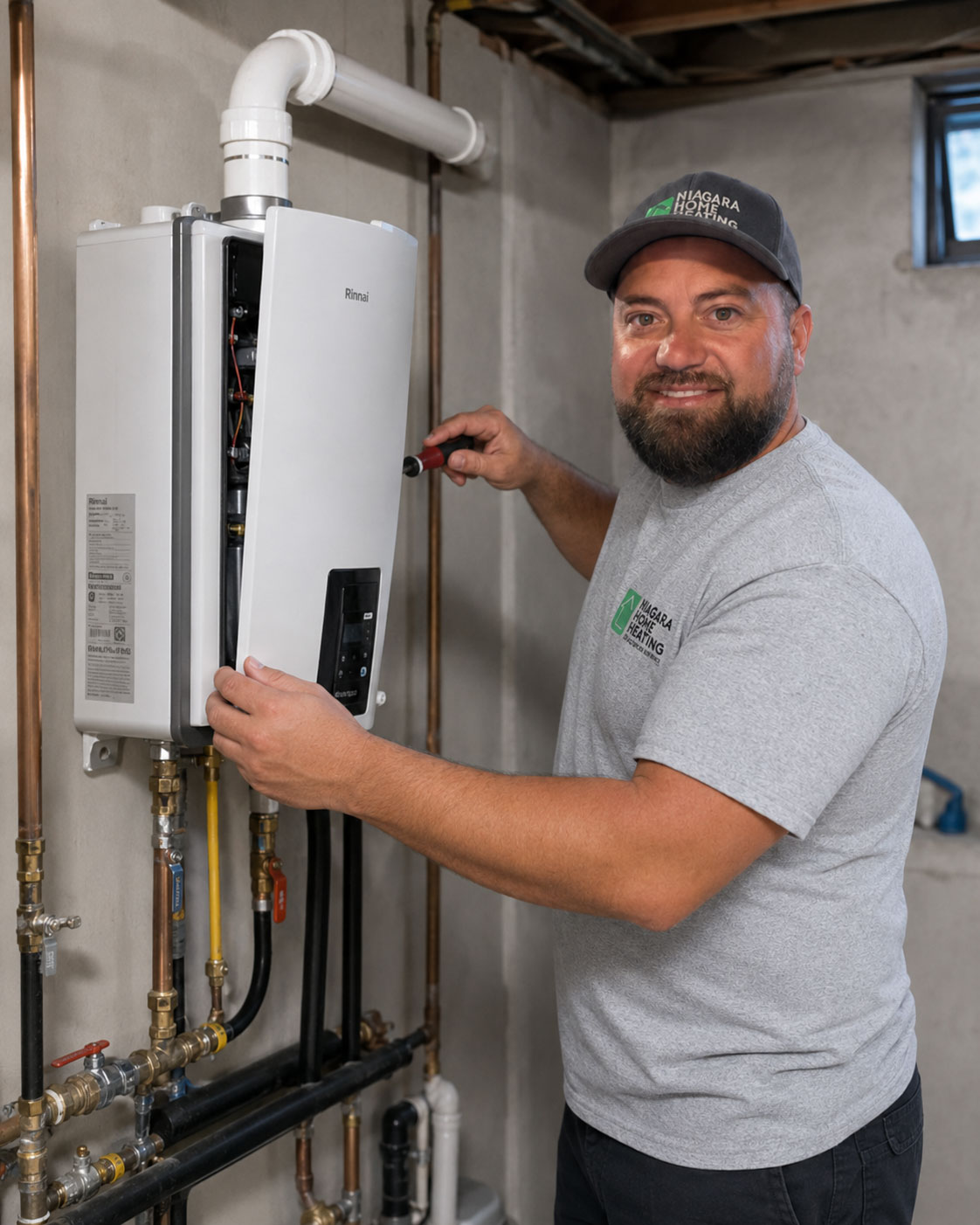
Tankless Water Heater Repair in Welland, ON
Tankless water heaters deliver on-demand hot water and efficiency, but when they fail the impact is immediate: no hot showers, interrupted laundry, and disruption to daily routines in Welland homes. Whether your unit is electric or gas-fired, prompt, expert diagnostics and repairs restore comfort and protect the long-term value of a high-efficiency system. common tankless water heater problems in Welland, ON, how technicians diagnose and fix them, typical components replaced, repair timelines, warranty considerations, and maintenance steps to prevent repeat issues.
Why timely repair matters in Welland
Welland sees cold winters and variable water quality across the Niagara Region. Colder incoming water increases the workload on a tankless unit, and local mineral content can accelerate scale buildup inside heat exchangers. Left unchecked, these factors shorten equipment life, lower efficiency, and cause unpredictable shutdowns. Timely, professional repair restores performance and reduces the risk of more expensive replacement later.
Common tankless water heater symptoms in Welland
Look for these common signs that your tankless unit needs repair:
- No hot water or inconsistent temperature - water may run warm then suddenly turn cold, or fail to reach set temperature.
- Unit fails to ignite or fires then shuts down - common on gas units with venting, ignition, or gas supply faults.
- Fluctuating water pressure or low flow - can indicate scale, inlet strainers clogged, or sensor problems.
- Error codes or warning lights - modern tankless units display codes that point to specific faults; technicians interpret and verify them.
- Unusual noises - tapping, banging, or high-pitched sounds typically mean scale, pump issues, or restricted flow.
- Water leaks around the unit - from connections, internal components, or failing valves.
- Frequent reset or shutdown cycles - may indicate blocked venting, overheating, or electrical problems.
Diagnostic and troubleshooting process
A systematic inspection isolates the root cause and prevents unnecessary parts replacement. Typical diagnostic steps include:
- Inspect for leaks, corrosion, vent integrity, and frost damage to external terminations.
- Verify clearances, gas shutoff, and electrical supply.
- Retrieve stored fault codes from the control board; cross-check with observed symptoms.
- Measure inlet and outlet temperatures and water flow rates to determine heat exchanger performance.
- Check ignition sequence, gas pressure, flame stability, and exhaust path for blockages or backdrafting.
- Test sensors (temperature, flow), pressure switches, ignition modules, pumps, and control boards.
- Inspect heat exchanger and filters for mineral buildup common in the Niagara Region; assess need for descaling.
This approach ensures technicians identify the underlying failure, not just the symptom, reducing repeat service visits.
Typical parts and components replaced
Repairs often involve one or more of these components:
- Heat exchanger cleaning or replacement (when severe scale or corrosion)
- Flow sensor or temperature sensor replacement
- Ignition module, pilot, or gas valve (gas-fired units)
- Control board or PCB replacement
- Circulation pump or recirculation valve repair
- Pressure relief valves, inlet strainers, or isolation valves
- Venting components and condensate traps
- Electrical connections and terminal blocks
Technicians prioritize repairable components and recommend replacement only when parts are unsafe, unavailable, or not cost effective relative to the unit age.
Repair timelines and what to expect
Repair time depends on diagnosis, parts availability, and complexity:
- Same-visit fixes: Many sensor, valve, or filter issues are resolved on the initial visit when technicians carry common replacement parts.
- Next-day repairs: Jobs requiring specific control boards or specialty parts often take 24 to 48 hours for part procurement and follow-up installation.
- Extended repairs: Heat exchanger replacement or complicated venting work may require multiple visits and coordinated permits or inspections.
Technicians typically test the system fully after repair, recheck temperatures and flow, and run a final safety and combustion check for gas units. Expect clear explanations of findings and an overview of recommended preventive steps.
Warranty and service guarantees
Reliable repair services include clear warranty coverage on labor and replacement parts. Common warranty practices include:
- Limited warranty on installed replacement parts (manufacturer or installer-backed)
- Service labour warranty for a defined period after repair
- Documentation of repairs and replaced part numbers for future reference
Confirm what is covered before work begins; warranties protect your investment and provide recourse if the same fault recurs.
Maintenance to prevent future issues in Welland homes
Regular maintenance dramatically reduces breakdown risk—especially in Welland where cold water and local mineral content can stress systems. Recommended preventive measures:
- Annual or biannual professional inspection and tune-up: verifies combustion, sensors, and control settings.
- Descale the heat exchanger: frequency depends on water hardness; many Niagara-area homes benefit from yearly descaling or a water-softening solution.
- Clean inlet strainers and filters: keeps flow sensors accurate and prevents pump strain.
- Check venting and freeze protection: ensure outdoor terminations are clear and condensate drains are functioning before winter.
- Flush the domestic lines: reduces sediment and improves sensor accuracy.
A routine maintenance schedule extends equipment life, maintains efficiency, and minimizes emergency repairs.
Emergency vs routine repairs — when to escalate
Prioritize emergency service if you experience:
- No hot water during freezing conditions that risk frozen pipes
- Gas smell, pilot failure with odor, or suspected gas leak
- Active water leaks threatening property
- Repeated lockouts or error codes that leave the system inoperable
Routine repairs include temperature inconsistencies, minor leaks, or reduced efficiency that allow scheduled service without immediate risk.
Final note on value and reliability
Tankless water heaters are high-efficiency systems well suited to Welland homes, but they require informed care. Professional diagnostics and targeted repairs restore comfort quickly while protecting performance and long-term savings. Regular maintenance tailored to local water conditions and winter risks will minimize downtime and preserve the unit’s efficiency and lifespan.

Customer Testimonials

Lifesavers!! The AC in our house decided to quit the day we were passing the keys to the new owners!! Instead of making a service call to the house, John coached me through the minor repair over the phone, saving me the money and time waiting for a repair person to come.Much appreciated! Thanks again John

Very efficient company. I needed an old solar water heater removed from my roof. They were quick to book an appointment for the next day after I sent photos. They were very knowledgeable of the issue. The 2 guys that came were friendly and competent with the job, including removal of all parts.
I called John today at 2:pm as my AC was not working and I wasn’t expecting even a call back as I knew with this hot weather we have had he would be swamped with calls. Well he called me back and showed at 8:pm on the same day to fix my AC. That is just incredible service and how much John really cares about his clients. Thank you John !
I have used Niagara Home heating for multiple projects for over 16 years. John and his staff are absolutely the best. I tell all my friends and family about Niagara Home Heating because you won’t get any better service or pricing anywhere in Niagara. He has saved me thousands and thousands of dollars and has never let me down.
We had an amazing experience getting our new furnace installed with Niagara Home Heating. The owner was very helpful, their quote was more then competitive and the technician who installed the unit was professional and friendly. I would recommend their services.
I had an issue with my hot water tank and called Niagara Home Heating. Their service was fantastic and reasonably priced—exactly how a business should be run!

Service Areas
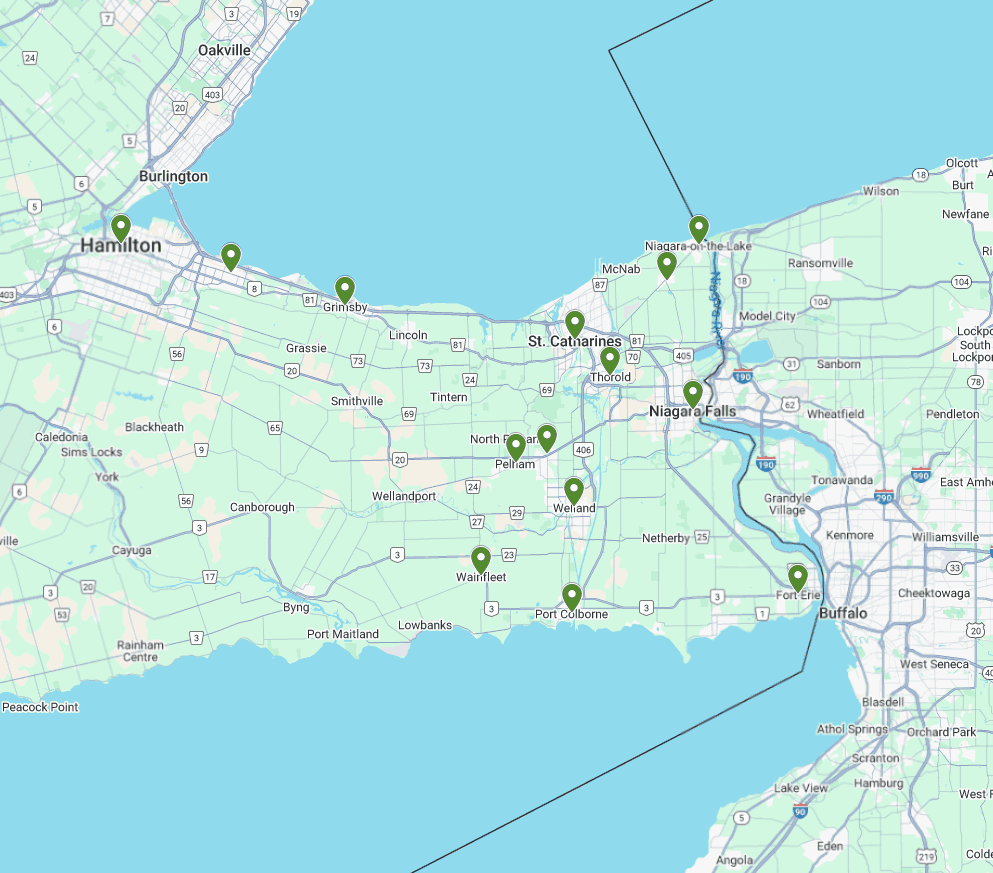
Our service areas encompass a wide range of locations, ensuring that we can meet the needs of our clients wherever they are. From bustling urban centers to serene rural landscapes, we are committed to providing top-notch services tailored to each unique environment.