



Welland homeowners seeking a reliable, efficient hot water system should understand how a professional water heater installation works. The guide describes site assessments tailored to Welland’s climate, local permits, venting, and electrical or gas connections, plus selecting appropriate tank, tankless, or hybrid models. It covers installation steps, testing, commissioning, and safety checks, as well as post‑installation maintenance to extend life in hard water and cold winters. Proper documentation, warranties, and municipal inspections reinforce long‑term performance and cost savings.
Water Heater Installation in Welland, ON
Replacing or installing a water heater is a major home upgrade that affects comfort, energy bills, and long-term reliability. For homeowners in Welland, ON, choosing the right system and having it installed correctly is especially important because Niagara-region winters, municipal plumbing rules, and local water conditions all influence performance. how a professional water heater installation works in Welland, what to expect on the day of installation, common local issues, and how to get the most life and efficiency from your new unit.
Why the right water heater matters in Welland
- Welland’s cold groundwater lowers incoming water temperature in winter, increasing demand on the heater.
- Many older homes in the area have space or venting constraints that change which systems are practical.
- Local water hardness and sediment can shorten tank life if not addressed with proper materials and maintenance.
Choosing the correct system and following local code ensures reliable hot water, lower operating costs, and safer operation.
Common water heater types and common issues in Welland
- Conventional storage tanks (tank water heaters)
Pros: lower upfront cost, simpler installation in many homes.
Cons: standby heat loss, larger footprint, susceptible to sediment buildup in hard-water areas.
Typical issues: rusty water, noisy operation from sediment, leaking tanks. - Tankless (on-demand) water heaters
Pros: continuous hot water, smaller footprint, often higher energy efficiency.
Cons: higher initial cost, may require electrical or gas line upgrades, performance affected by incoming water temperature.
Typical issues: improper sizing leading to low flow, scale buildup with hard water. - Hybrid/heat pump water heaters
Pros: high efficiency in suitable spaces.
Cons: require adequate ventilation and space; performance can decline in very cold basements.
Site assessment and system selection
A professional installation begins with a detailed site assessment tailored to Welland homes:
- Review of hot water demand (household size, fixtures, peak usage).
- Measurement of mechanical room space, venting routes, and access.
- Inspection of gas line capacity or electrical panel capacity for tankless units.
- Water quality check for hardness and sediment; recommendation for water softening or inline filtration if needed.
- Matching unit capacity: typical family homes commonly use 40–60 gallon tanks or tankless models sized for 6–10 GPM, adjusted for Welland’s colder inlet temperatures.
Permitting and code compliance
Installations in Welland must comply with the Ontario Building Code and local City of Welland regulations:
- Necessary plumbing and gas permits should be applied for and secured before work begins.
- Proper venting, combustion air, and pressure-relief valve installation are required.
- Closed domestic hot water systems may require expansion tanks and backflow prevention.
- Final inspections by municipal authorities ensure the installation meets safety and code standards.
Plumbing, gas, and electrical requirements
- Gas-fired units: inspection of gas line sizing and pressure; vent sizing and placement per code; combustion air requirements.
- Electric units and tankless electric: verification of circuit capacity and breaker size; possible panel upgrade or dedicated circuits.
- Plumbing: correct materials for supply and relief lines; installation of durable shut-offs; installation of drain pans and condensate routing where needed.
- Corrosion-resistant fittings and dielectric unions where dissimilar metals meet.
Professional installation procedures
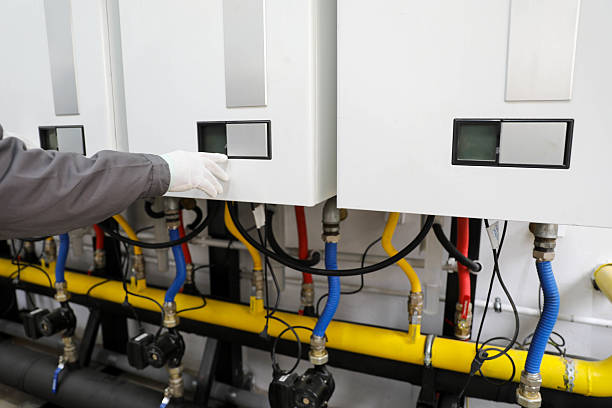
Standard installation steps completed by trained technicians:
Typical timeframes: straightforward tank replacements often take 2–4 hours; tankless or more complex installs with line or vent upgrades can take 4–8 hours or longer depending on required modifications.
Testing and commissioning
Before final sign-off, the installer will:
- Leak-test all connections and verify proper drainage.
- For gas units: perform combustion analysis, check CO levels, and confirm proper venting.
- For all units: verify temperature settings, hot water delivery at fixtures, and safe operation of relief devices.
- Run a complete commissioning checklist and document serial numbers and installation details for warranty records.
Post-installation maintenance recommendations
To protect your investment and adapt to Welland conditions:
- Flush a tank-style heater at least once per year to remove sediment; more often if water is hard.
- Inspect the sacrificial anode and replace every 3–5 years or as needed.
- For tankless units, schedule a descaling service annually or bi-annually depending on water hardness.
- Check T&P valve, expansion tank, and piping annually.
- Insulate hot water pipes and consider a water softener or sediment filter to extend equipment life.
Warranty coverage and what it covers
- Most manufacturers provide a parts warranty that varies by model and component (heat exchanger, tank, etc.). Typical length ranges by type and brand.
- Labour warranties vary by installer; ensure that any labour warranty is documented at installation.
- Proper permitting, professional installation, and routine maintenance are often conditions of manufacturer warranties. Keep all documentation and service records.
What to expect on the day of installation in Welland, ON
- Technicians will arrive with protective shoe covers and drop cloths to protect your home.
- They will confirm the scope and review any necessary permits or inspection timelines.
- You should expect a temporary disruption of hot water and possibly of gas or electrical service during the swap.
- The crew will complete the install, commission the system, and leave a documented checklist, warranty information, and maintenance guidance.
- A municipal inspection may follow to close permits and finalize code compliance.
ConclusionA correctly selected and installed water heater tailored to Welland’s climate and home conditions delivers reliable hot water, lower operating costs, and fewer service calls. Prioritizing a full site assessment, code-compliant installation, and regular maintenance—especially in areas with colder inlet temperatures and hard water—maximizes efficiency and equipment life. Proper documentation of permits and warranties safeguards your investment and ensures long-term peace of mind.

Customer Testimonials

I had an issue with my hot water tank and called Niagara Home Heating. Their service was fantastic and reasonably priced—exactly how a business should be run!

Very efficient company. I needed an old solar water heater removed from my roof. They were quick to book an appointment for the next day after I sent photos. They were very knowledgeable of the issue. The 2 guys that came were friendly and competent with the job, including removal of all parts.
I called John today at 2:pm as my AC was not working and I wasn’t expecting even a call back as I knew with this hot weather we have had he would be swamped with calls. Well he called me back and showed at 8:pm on the same day to fix my AC. That is just incredible service and how much John really cares about his clients. Thank you John !
I have used Niagara Home heating for multiple projects for over 16 years. John and his staff are absolutely the best. I tell all my friends and family about Niagara Home Heating because you won’t get any better service or pricing anywhere in Niagara. He has saved me thousands and thousands of dollars and has never let me down.
Lifesavers!! The AC in our house decided to quit the day we were passing the keys to the new owners!! Instead of making a service call to the house, John coached me through the minor repair over the phone, saving me the money and time waiting for a repair person to come.Much appreciated! Thanks again John
We had an amazing experience getting our new furnace installed with Niagara Home Heating. The owner was very helpful, their quote was more then competitive and the technician who installed the unit was professional and friendly. I would recommend their services.

Service Areas
Our service areas encompass a wide range of locations, ensuring that we can meet the needs of our clients wherever they are. From bustling urban centers to serene rural landscapes, we are committed to providing top-notch services tailored to each unique environment.