



Water heater repair in Welland, ON provides a comprehensive overview of diagnosing and repairing both tank and tankless systems. Technicians identify common issues such as leaks, no hot water, ignition faults, sediment buildup, and faulty controls, then outline diagnostic steps, typical repairs, and replacement parts. The guide covers emergency response expectations, warranties, safe homeowner troubleshooting, scheduling processes, and maintenance practices designed to extend heater life and preserve efficient hot water delivery for Welland homes. This resource helps homeowners understand when to call a professional.
.jpeg)
Water Heater Repair in Welland, ON
Hot water is essential for daily life, and when your water heater fails it disrupts everything from showers to dishwashing. Water Heater Repair in Welland, ON explains how technicians diagnose and fix both tank and tankless systems, the most common problems Welland homeowners face, what a typical repair looks like, emergency response expectations, warranty considerations, safe troubleshooting you can try, and how service appointments are usually scheduled.
Why timely water heater repair matters in Welland
Welland homes face cold winters and seasonal temperature swings that increase hot water demand and place extra strain on aging heaters. Local water quality can include mineral content that speeds sediment buildup in tanks, reducing efficiency and causing premature failure. Prompt repair restores comfort, reduces energy waste, and prevents secondary damage such as flooding or pipe corrosion.
Common water heater problems in Welland
- Leaks from the tank, fittings, or pressure relief valve - often caused by corrosion, loose connections, or valve failure
- No hot water - can result from ignition/pilot faults, failed elements (electric), or depleted gas supply/control issues
- Pilot light or ignition faults on gas units - dirty burners, faulty thermocouples, or control valve failure
- Sediment buildup in tank-type heaters - reduces capacity and can cause overheating, banging noises, and element failure
- Heating element failure in electric heaters - elements burn out or short, causing insufficient heating
- Error codes and control board faults in tankless units - sensors, flow switches, or circuit board issues
- Fluctuating temperature or low flow - scale, partially clogged dip tubes, or failing sensors
Diagnostic approach - what technicians check
A professional diagnostic typically includes:
- Visual inspection for leaks, rust, and drainage issues
- Gas supply and venting checks for gas units; ignition sequence and safety controls inspected
- Electrical checks on breakers, elements, thermostats, and grounding for electric units
- Sediment and anode rod inspection in tank systems; flow and heat exchanger inspection in tankless systems
- Testing temperature-pressure relief valve and drain valve operation
- Reading error codes and running flow tests on tankless heaters
Diagnostics focus on identifying the root cause so repairs fix the problem long-term rather than treating symptoms.
Typical repairs and parts used
Repairs depend on the diagnosis and may include:
- Replacing failed heating elements, thermostats, or anode rods in tank heaters
- Flushing tanks and removing sediment; replacing dip tubes or drain valves
- Cleaning or replacing burners, thermocouples, ignition modules, or gas valves on gas units
- Repairing or replacing heat exchangers, flow sensors, or control boards in tankless units
- Repairing or replacing leaking tanks or associated fittings and valves (note: a corroded tank often requires replacement rather than repair)
- Installing replacement pressure relief valves and overflow lines to prevent damage
Parts used are typically manufacturer-approved components or equivalent OEM-quality parts to retain safety and warranty compliance.
Emergency response and typical response times
Water heater failures that cause flooding, gas smell, or no hot water during extreme cold are treated as emergencies. In the Niagara Region, emergency response options commonly include after-hours callbacks and prioritized scheduling. Typical expectations:
- Emergency situations involving leaks, flooding, or suspected gas leaks are addressed as priority calls and may receive the fastest available technician response
- Non-emergency repairs are usually scheduled within a short window during business hours, often same-day or within a few business days depending on demand and parts availability
These response times vary by season; colder months see higher demand for heating and hot water services.
What to expect during a repair visit
- Arrival with tools and common replacement parts for on-the-spot fixes
- Safety procedures: power and gas shutoff where appropriate, containment for potential leaks, and protection of your home during work
- Clear explanation of findings and the recommended repair path in plain language
- Testing after repairs, including running cycles, temperature checks, and leak tests
- Documentation of replaced parts and any maintenance advice for future care
Technicians aim to restore safe, reliable hot water while minimizing disruption to your home.
Warranty and service guarantees
Manufacturer warranties commonly cover specific parts like heat exchangers for tankless units or tanks for certain models; anode rods, heating elements, and control boards may have separate coverage. Service providers often offer limited labor warranties on repairs or parts they install. When arranging service, homeowners should confirm:
- What parts are covered by manufacturer warranty
- Whether the repairer provides a labor warranty and its duration
- Any conditions that could void warranties, such as improper installation or delayed maintenance
Always keep documentation of parts and service for warranty claims.
Troubleshooting tips homeowners can try (safe, basic checks)
- Check circuit breakers and fuses for tripped breakers on electric heaters
- Confirm gas supply valve is open for gas units and that other gas appliances are operating
- Inspect visible pipes, fittings, and the area under the tank for obvious leaks or pooling water
- Reset the unit if it has a reset switch (refer to your owner manual)
- Drain a small amount from the tank’s drain valve to check for heavy sediment (only if comfortable doing so)
- For pilot-equipped gas units, observe the pilot to see if it lights and stays lit; do not attempt if you smell gas
If you smell gas, see signs of corrosion, notice persistent leaks, or are unsure, turn off power/gas and seek professional service immediately.
How scheduling and service coordination typically work
Scheduling generally involves providing basic unit information (tank or tankless, age, symptoms) and available appointment windows. For many providers, emergency and after-hours options exist for urgent failures. Service calls may include an initial diagnostic fee that is credited toward approved repairs. Technicians often confirm parts availability and provide an estimate before performing non-emergency replacements.
Maintenance and long-term value
Regular maintenance extends the life of both tank and tankless water heaters. Recommended actions include annual inspections, periodic tank flushing in hard-water areas like Welland, replacing anode rods when depleted, and addressing minor issues promptly to avoid larger failures. Properly maintained heaters operate more efficiently, lowering energy use and reducing the likelihood of emergency repairs.
This overview equips Welland homeowners with what to expect from water heater repair services, how problems are diagnosed and fixed, and practical steps to protect your hot water supply through proper care and timely professional attention.

Customer Testimonials

Lifesavers!! The AC in our house decided to quit the day we were passing the keys to the new owners!! Instead of making a service call to the house, John coached me through the minor repair over the phone, saving me the money and time waiting for a repair person to come.Much appreciated! Thanks again John

I have used Niagara Home heating for multiple projects for over 16 years. John and his staff are absolutely the best. I tell all my friends and family about Niagara Home Heating because you won’t get any better service or pricing anywhere in Niagara. He has saved me thousands and thousands of dollars and has never let me down.
I had an issue with my hot water tank and called Niagara Home Heating. Their service was fantastic and reasonably priced—exactly how a business should be run!
I called John today at 2:pm as my AC was not working and I wasn’t expecting even a call back as I knew with this hot weather we have had he would be swamped with calls. Well he called me back and showed at 8:pm on the same day to fix my AC. That is just incredible service and how much John really cares about his clients. Thank you John !
We had an amazing experience getting our new furnace installed with Niagara Home Heating. The owner was very helpful, their quote was more then competitive and the technician who installed the unit was professional and friendly. I would recommend their services.
Very efficient company. I needed an old solar water heater removed from my roof. They were quick to book an appointment for the next day after I sent photos. They were very knowledgeable of the issue. The 2 guys that came were friendly and competent with the job, including removal of all parts.

Service Areas
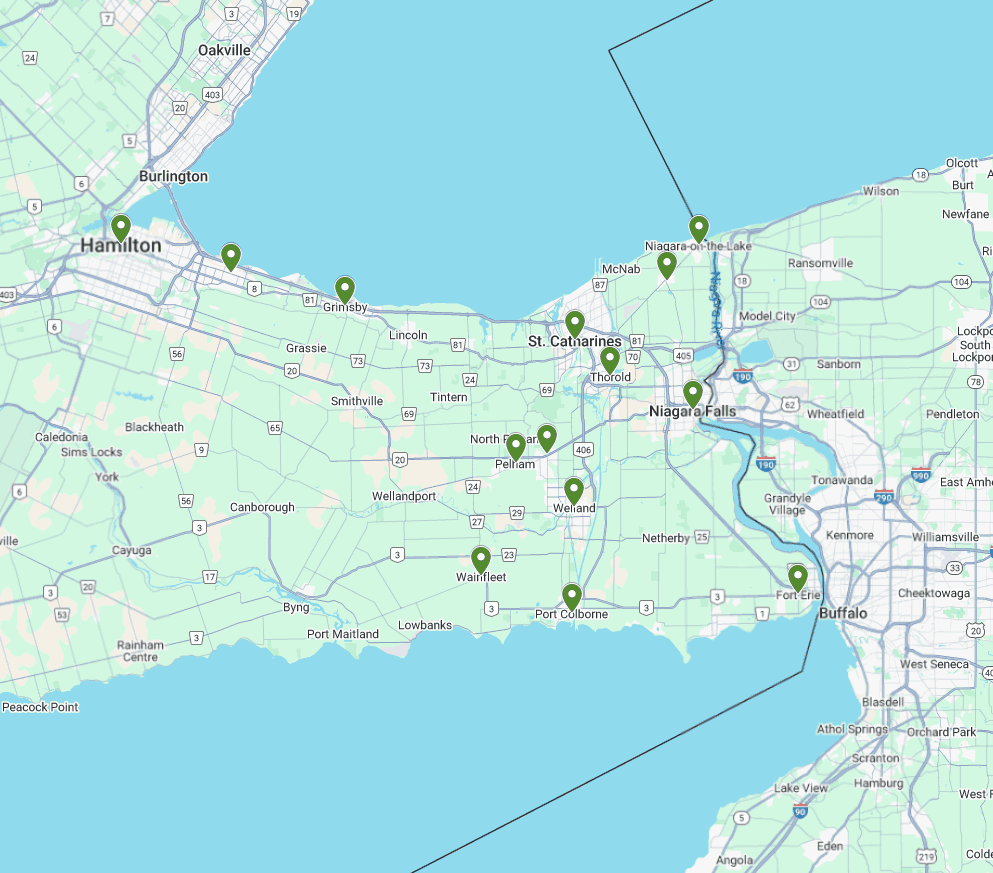
Our service areas encompass a wide range of locations, ensuring that we can meet the needs of our clients wherever they are. From bustling urban centers to serene rural landscapes, we are committed to providing top-notch services tailored to each unique environment.