



Welland homeowners seeking water heater replacement will learn when replacement is more cost-effective than repair and how tank, tankless, and heat pump options compare. The guide covers sizing guidelines, installation steps, removal and disposal, and expected timelines from a single-day replacement to major upgrades. It also describes warranty coverage, maintenance tips to extend life, and financing or rebate options available in Ontario. Practical advice about local conditions, venting, and hard water helps buyers choose the right system for reliability and long-term value.
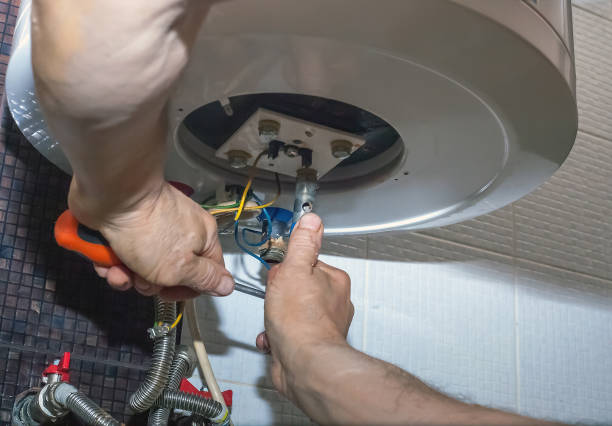
Water Heater Replacement in Welland, ON
Replacing your water heater is one of the most impactful home service decisions for comfort, energy bills, and long-term reliability. In Welland, ON, where cold winters and older homes are common, a properly sized, installed, and commissioned water heater keeps showers warm, appliances running efficiently, and prevents costly emergency failures. when replacement is recommended, compares tank and tankless (and heat pump) options, covers sizing and installation details, outlines removal and disposal, and summarizes expected timelines, warranty and maintenance choices, and financing or rebate possibilities relevant to Welland homeowners.
When replacement is recommended
Know the signs that indicate replacement rather than repair:
- Repeated or expensive repairs within a few years
- Age: conventional tanks older than 10–15 years; tankless units nearing 15–20 years
- Rusty, discolored water or metallic taste
- Leaks or pooling around the tank (risk of sudden failure and flooding)
- Inconsistent hot water or not enough hot water for household demand
- Rising energy bills despite regular maintenance
- Visible scale buildup from hard water (common in the Niagara Region)
If you’re seeing multiple signs, replacement often offers better long-term value and reliability than ongoing repairs.
Common water heater replacement issues in Welland
Welland homes face a few local challenges that influence replacement decisions:
- Cold winters increase recovery demands; undersized systems struggle to keep up
- Older houses may need venting, gas line, or electrical upgrades for modern units
- Hard water in parts of the Niagara Region accelerates tank scale and reduces efficiency
- Space constraints in basements or utility closets can limit choices and require compact or tankless options
Tank vs Tankless vs Heat Pump — pros and cons
Choose the technology that fits your household needs and budget.
- Tank (traditional)
- Pros: Lower upfront cost, simple replacement like-for-like, reliable for peak simultaneous use
- Cons: Higher standby heat loss, shorter lifespan, vulnerable to scale
- Best for: Households with high simultaneous hot water demand and limited retrofit space
- Tankless (on-demand)
- Pros: Continuous hot water, lower energy consumption for many households, longer life expectancy
- Cons: Higher upfront cost, may need larger gas line or electrical upgrade, performance can drop if undersized for cold winter inlet temperatures
- Best for: Smaller households, homes wanting space savings, households prioritizing energy efficiency
- Heat Pump Water Heater (hybrid)
- Pros: Highest efficiency and lowest operating cost in moderate climates, reduces overall home energy use
- Cons: Higher upfront cost, requires adequate space and airflow, performance affected by ambient temperature (basement installations in Welland generally work well)
- Best for: Energy-conscious homeowners able to accommodate location and airflow needs
Sizing guidance and demand calculation
Proper sizing prevents undersized performance or wasted cost.
- Estimate peak hot water demand by household size and fixtures (showers, dishwasher, washer)
- For tanks: choose appropriate storage volume (e.g., 40–80 gallons typical for families; metric conversions and local installer guidance necessary)
- For tankless: calculate required flow rate (litres per minute) and temperature rise based on Welland’s cold groundwater temperature; tankless units are often upsized for Niagara winters
- For heat pump hybrids: consider recovery rate and household usage pattern
A professional load calculation using local inlet temperatures yields the best outcome.
Removal and disposal of old units
Safe, code-compliant removal includes:
- Draining and neutralizing remaining water
- Proper disconnection of gas, electrical, and plumbing systems
- Safe handling of anode rods and potentially contaminated components
- Responsible disposal or recycling per Ontario regulations (tanks and components are recyclable; any refrigerant-containing units must be handled by certified technicians)
- Site cleanup and verification of no leaks
Local disposal fees or recycling programs may apply; responsible removal avoids fines and environmental harm.
Detailed installation steps and what to expect
A typical replacement project follows these steps:
For straightforward like-for-like replacements in Welland, expect most installations to be completed in one workday. Conversions, major upgrades, or permit wait times add additional days.
Timeline expectations
- Like-for-like tank swap: typically 4–8 hours
- Tankless or heat pump swap with minor upgrades: 1–2 days
- Major gas/electrical/venting upgrades or structural work: multiple days plus any municipal permit lead times
- Permits and inspections: variable; plan for several business days to a few weeks if required
Warranty and maintenance plan options
- Manufacturer warranties vary: tanks generally offer shorter warranties (6–12 years on the tank), tankless and hybrid models often offer longer warranties on heat exchangers (10–15 years)
- Installation workmanship warranties cover plumbing, venting, and connections for a defined period
- Regular maintenance extends life: annual inspections, flushing tanks to remove sediment, checking anode rods, descaling treatments for hard water, and servicing tankless burners or filters
- Maintenance plans can bundle annual service visits, priority scheduling, and reduced rates on repairs
Financing and rebate considerations
- Many homeowners offset upfront cost through manufacturer rebates, local utility incentives, or provincial and federal energy programs that support high-efficiency equipment
- Low-interest financing or payment plans are commonly available for energy-efficient upgrades
- Eligibility often depends on equipment efficiency ratings, professional installation, and sometimes pre-approval or post-installation inspections
- Check current Ontario and federal energy-efficiency incentive offerings, and ask about manufacturer and trade financing options when selecting equipment
Benefits of timely replacement and maintenance tips
Replacing an aging, inefficient water heater improves comfort, lowers operating costs, reduces flood risk, and increases home safety. For Welland homes, consider these maintenance tips:
- Flush tanks annually to limit scale from hard water
- Install a water softener or scale-reduction system if hard water is worsening efficiency
- Check pressure relief valve and expansion tank yearly
- Keep vents and combustion air pathways clear in winter months
- For tankless units, schedule descaling if your water hardness is elevated
A properly sized, installed, and maintained system delivers reliable hot water, predictable energy bills, and peace of mind through Niagara’s seasonal extremes.
If you are evaluating replacement options, a professional assessment that considers Welland’s cold inlet temperatures, existing venting, and household hot water patterns is the best next step toward choosing the right system and warranty package for long-term performance.

Customer Testimonials

Very efficient company. I needed an old solar water heater removed from my roof. They were quick to book an appointment for the next day after I sent photos. They were very knowledgeable of the issue. The 2 guys that came were friendly and competent with the job, including removal of all parts.

I had an issue with my hot water tank and called Niagara Home Heating. Their service was fantastic and reasonably priced—exactly how a business should be run!
Lifesavers!! The AC in our house decided to quit the day we were passing the keys to the new owners!! Instead of making a service call to the house, John coached me through the minor repair over the phone, saving me the money and time waiting for a repair person to come.Much appreciated! Thanks again John
I called John today at 2:pm as my AC was not working and I wasn’t expecting even a call back as I knew with this hot weather we have had he would be swamped with calls. Well he called me back and showed at 8:pm on the same day to fix my AC. That is just incredible service and how much John really cares about his clients. Thank you John !
I have used Niagara Home heating for multiple projects for over 16 years. John and his staff are absolutely the best. I tell all my friends and family about Niagara Home Heating because you won’t get any better service or pricing anywhere in Niagara. He has saved me thousands and thousands of dollars and has never let me down.
We had an amazing experience getting our new furnace installed with Niagara Home Heating. The owner was very helpful, their quote was more then competitive and the technician who installed the unit was professional and friendly. I would recommend their services.

Service Areas
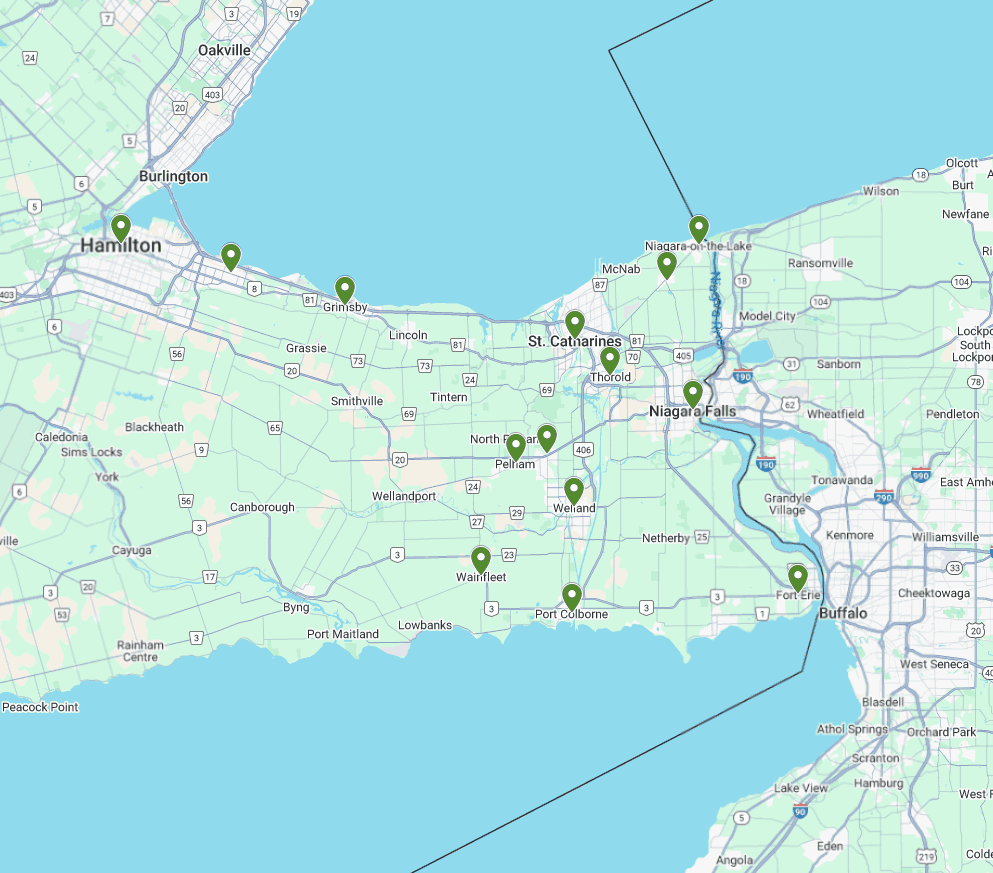
Our service areas encompass a wide range of locations, ensuring that we can meet the needs of our clients wherever they are. From bustling urban centers to serene rural landscapes, we are committed to providing top-notch services tailored to each unique environment.