



Tankless water heater replacement in Wainfleet, ON describes when replacement is preferable, what to expect from professional evaluation, and how the installation proceeds. It covers sizing decisions based on peak demand, fuel choices (gas, electric, or hybrid), and energy efficiency considerations. The guide emphasizes safe removal and proper disposal of old units, code-compliant installation, and post-installation testing. It also highlights timelines, potential costs, financing options, and the long-term benefits of updated, reliable hot water for colder Ontario seasons.
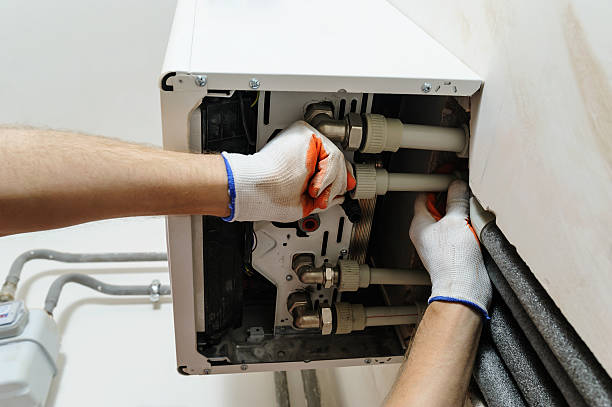
Tankless Water Heater Replacement in Wainfleet, ON
Upgrading to a new tankless water heater or replacing a failing unit is a major decision for Wainfleet homeowners. With long, cold winters, seasonal vacation homes, and many properties on well water, the right tankless system can deliver continuous hot water, reduced energy use, and more usable space. how a professional tankless water heater replacement works in Wainfleet, why replacement is often the best choice, and what to expect from evaluation through post‑installation testing.
Why replace your tankless water heater in Wainfleet
Common reasons to replace rather than repair include:
- Age and repeated failures: Most tankless units last 10–15 years; frequent breakdowns indicate replacement is more economical.
- Efficiency loss or high energy bills: Older units can lose heating efficiency, increasing gas or electric costs.
- Inadequate capacity: If your household needs more simultaneous hot water (showers + dishwasher + laundry), a larger or additional unit may be required.
- Scaling and water quality: Many Niagara region homes have hard water. Mineral scale reduces heat transfer and shortens unit life — repeated descaling may not be sustainable.
- Outdated fuel or venting setup: Older gas venting or undersized electrical panels can limit performance or pose safety concerns.
What the initial system evaluation covers
A professional evaluation identifies whether replacement is recommended and what new system is appropriate. Typical checks include:
- Current unit age, model, and repair history
- Household peak hot water demand (flow rates in litres per minute)
- Fuel availability: natural gas, propane, or electric supply and line capacity
- Electrical panel capacity and circuit availability for electric units
- Venting configuration and clearance, plus roof/sidewall options for gas units
- Water quality (hardness) and presence of sediment or iron
- Space limitations and preferred installation locationThis diagnostic usually takes about 45–90 minutes for a standard home.
Choosing size and fuel: gas vs electric
Selecting the correctly sized unit is crucial. Size is based on required flow rate and desired temperature rise. Key considerations:
- Gas tankless: Higher peak flow and better for larger homes or simultaneous loads. Requires proper venting and gas line sizing. Best if natural gas is available in the neighbourhood or if the home already uses propane with an appropriately sized supply.
- Electric tankless: Lower installation footprint and simpler venting (no exhaust), but requires substantial electrical capacity and possibly panel upgrades. Often suited to smaller homes, cabins, or point-of-use installations.
- Hybrid/Multiple units: Two smaller units installed in parallel can provide redundancy and handle multiple hot water draws.In Wainfleet, consider winter demand — deeper temperature rises are needed when incoming water temperature is lower, which affects unit sizing.
Energy efficiency and operating cost comparisons
Tankless heaters are typically more efficient than storage tanks because they heat on demand. Efficiency differences:
- Gas condensing tankless units recover more heat and can offer the best long-term operating costs where natural gas or efficient propane is available.
- Electric models can be nearly 100% efficient at point of use but may cost more to operate depending on electricity rates and the required electrical upgrades.A life-cycle view — equipment cost plus installation, maintenance, and fuel — helps decide which option fits your priorities in Wainfleet.
Removal and responsible disposal of the old unit
Professional replacement includes safe removal and disposal:
- Drain and neutralize remaining water safely
- Disconnect gas, electrical, and plumbing connections per code
- Recycle metal components and dispose of any hazardous parts following Ontario regulations
- If the old unit contains refrigerants or other regulated materials, those are handled and disposed of by certified contractorsResponsible disposal minimizes environmental impact and complies with local waste handling rules.
Professional replacement steps
A typical replacement follows these stages:
Required plumbing, electrical, and venting updates
Upgrades commonly needed during replacement:
- Gas line sizing: Tankless gas units may need larger supply lines or pressure adjustments.
- Venting: Modern condensing units use PVC or stainless steel venting with specific condensate management.
- Electrical work: Electric models frequently require new breakers, dedicated circuits, or panel upgrades.
- Water treatment: For homes with hard water, installing a water softener or scale inhibitor is strongly recommended to prolong unit life.All modifications should follow Ontario building codes and be performed by licensed tradespeople.
Warranty, testing, and what to expect after installation
New tankless installations include:
- Manufacturer’s warranty on the unit and parts; labour warranties vary by installer
- Post‑installation testing: pressure tests, temperature calibration, combustion analysis for gas units, and verification of maximum flow under load
- Instruction on regular maintenance: flushing for scale control, inlet filter cleaning, and an annual service schedule to maintain warranty validityProper commissioning ensures safe, efficient operation and establishes a baseline for future service.
Timeline, cost factors, and financing or temporary solutions
- Timeline: Evaluation (same day to a few days), permitting and equipment lead time (days to 2 weeks), installation (half day to a few days).
- Cost factors: Unit type and capacity, fuel conversions, venting complexity, water treatment needs, and electrical or gas line upgrades. Replacement can be a modest investment up to a larger retrofit cost depending on required modifications.
- Financing and temporary options: Many homeowners use financing to spread replacement costs. Temporary rental hot water tanks or short‑term rental tankless systems are commonly available to maintain hot water during replacement or while waiting for permits or equipment.Check current local incentive programs that may offset costs; eligibility and availability change over time.
Replacing a tankless water heater in Wainfleet involves technical evaluation, consideration of local climate and water quality, careful system sizing, and code‑compliant installation. A properly selected and installed unit delivers reliable hot water, improved efficiency, and lower lifetime operating costs — especially important in Niagara Region homes that face cold winters and variable water conditions.

Customer Testimonials

I called John today at 2:pm as my AC was not working and I wasn’t expecting even a call back as I knew with this hot weather we have had he would be swamped with calls. Well he called me back and showed at 8:pm on the same day to fix my AC. That is just incredible service and how much John really cares about his clients. Thank you John !

We had an amazing experience getting our new furnace installed with Niagara Home Heating. The owner was very helpful, their quote was more then competitive and the technician who installed the unit was professional and friendly. I would recommend their services.
Very efficient company. I needed an old solar water heater removed from my roof. They were quick to book an appointment for the next day after I sent photos. They were very knowledgeable of the issue. The 2 guys that came were friendly and competent with the job, including removal of all parts.
I had an issue with my hot water tank and called Niagara Home Heating. Their service was fantastic and reasonably priced—exactly how a business should be run!
Lifesavers!! The AC in our house decided to quit the day we were passing the keys to the new owners!! Instead of making a service call to the house, John coached me through the minor repair over the phone, saving me the money and time waiting for a repair person to come.Much appreciated! Thanks again John
I have used Niagara Home heating for multiple projects for over 16 years. John and his staff are absolutely the best. I tell all my friends and family about Niagara Home Heating because you won’t get any better service or pricing anywhere in Niagara. He has saved me thousands and thousands of dollars and has never let me down.

Service Areas
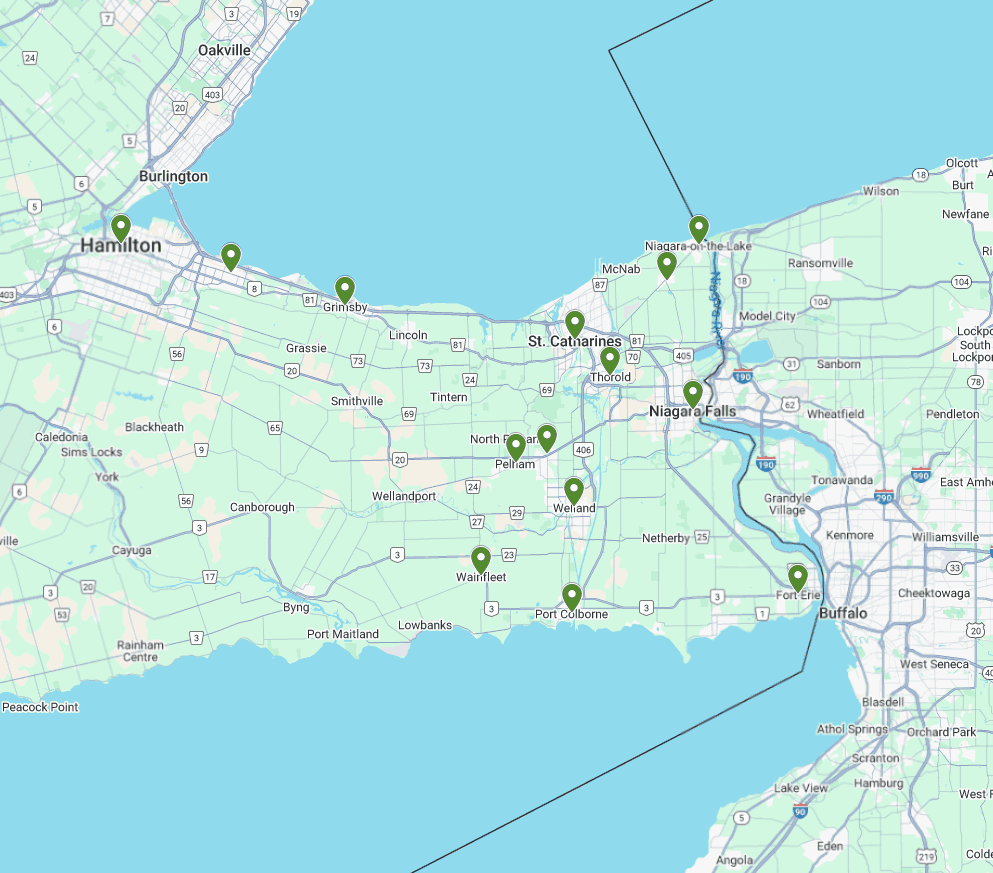
Our service areas encompass a wide range of locations, ensuring that we can meet the needs of our clients wherever they are. From bustling urban centers to serene rural landscapes, we are committed to providing top-notch services tailored to each unique environment.