



Water Heater Repair in Wainfleet, ON provides clear guidance on diagnosing and fixing common failures, from no hot water to leaks and noisy tanks. A practical on-site inspection process, typical repair steps, and when replacement is more economical. It covers emergency response, scheduling, and preventive maintenance to extend system life. By explaining age, condition, and cost considerations, it helps homeowners weigh repair versus replacement and maintain reliable hot water through seasonal weather changes.
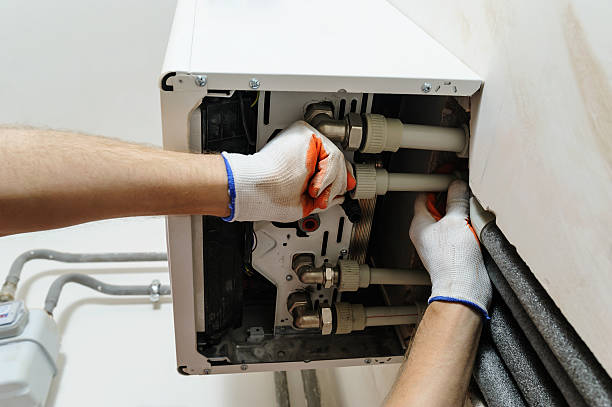
Water Heater Repair in Wainfleet, ON
A reliable hot water supply is essential for everyday comfort in Wainfleet homes. When your water heater fails—no hot water, leaks in the basement, or strange noises—those problems interrupt daily routines fast. Our Water Heater Repair in Wainfleet, ON content explains what commonly goes wrong, how technicians diagnose and fix issues on-site, what to expect in terms of response time, and practical steps to prevent future failures—presented in clear, decision-focused language so you can choose the right repair path for your home.
Common water heater problems in Wainfleet homes
Wainfleet’s climate and local water conditions influence which failures are most common. Colder inlet water in winter increases system workload, and mineral-rich (hard) water in the Niagara region accelerates sediment buildup and corrosion.
Common issues we diagnose and repair:
- No hot water or insufficient hot water (burned heating element, failed thermostat, gas supply or control failure)
- Leaks at the tank, fittings, or pressure relief valve (corrosion, loose connections, failed valve)
- Strange noises (rumbling or popping from sediment buildup)
- Pilot or ignition problems on gas units (faulty thermocouple, gas valve, or ignition module)
- Rapid cycling or short heating runs (failed thermostat, control board issues)
- Low hot water pressure (sediment clog, dip tube failure, clogged inlet screens)
- Tankless-specific faults (scale on heat exchanger, flow sensor or ignition errors)
On-site inspection and diagnostic process
A professional inspection focuses on safety and root-cause diagnosis. Typical on-site steps:
- Visual and safety check: Inspect for active leaks, corrosion, rust streaks, water around fittings, and check the combustion area for gas units.
- Verify utility supply: Confirm electrical breaker, gas supply and pilot/ignition status, and main water shut-off position.
- Component testing: Measure voltage to heating elements, test thermostats and thermal cutoffs, and use pressure gauges to check inlet/outlet pressures.
- Sediment and flow assessment: Lift drain valve slightly to judge sediment level, inspect the dip tube and inlet screen, and test outlet temperatures.
- Functional test: Start the unit (if safe) and observe ignition sequence, burner performance, or element heating to reproduce the fault.
- Report and options: Provide a plain-language diagnosis, safety concerns, and repair versus replacement considerations based on age, condition, and cost-effectiveness.
Diagnostics usually take 30–90 minutes depending on complexity and whether the unit is tank or tankless.
Typical repair and parts replacement procedures
Repairs are targeted to restore safe, efficient operation while minimizing unnecessary replacement.
Common repair procedures:
- Heating element replacement (electric tanks): Drain, isolate power, remove and replace the element, test for correct operation.
- Thermostat and control replacement: Swap the defective thermostat or control board and calibrate temperature settings.
- Anode rod replacement: Remove and replace a depleted sacrificial anode to slow corrosive tank failure.
- Pressure relief valve (TPR) replacement: Replace failed valve that leaks or fails to relieve pressure.
- Dip tube replacement: Replace a broken dip tube to restore proper cold-water delivery to the bottom of the tank.
- Gas valve, thermocouple, pilot assembly, or ignition module replacement: For gas units, replace faulty components to restore reliable ignition and safety shutdown operation.
- Tankless de-scaling and flow sensor service: Remove scale from the heat exchanger, clean or replace flow sensors and filters, and verify ignition reliability.
When parts are in stock, many repairs are completed same day. If parts must be ordered, technicians will document timelines and temporary mitigation steps when possible.
Repair vs replacement: how to decide in Wainfleet
Key factors that drive the decision:
- Age of the unit: Conventional tanks typically last 8–12 years; tankless systems often last 15+ years. Older tanks with leaks or severe corrosion usually warrant replacement.
- Extent of damage: A small replaceable component failure is usually repaired; widespread corrosion or tank leaks mean replacement is the safer choice.
- Repair cost versus remaining useful life: When repair costs approach the price of a reliable new unit and the existing tank is old, replacement is often the more economical, longer-term solution.
- Efficiency and household needs: Newer high-efficiency models reduce energy costs and can be sized to match modern hot water demand (important for seasonal Wainfleet households or cottages).
- Water quality: Homes on well water or with hard water may benefit from replacement paired with scale-control measures.
Emergency repair availability and response times
Priority is often needed for no hot water during winter or active leaks that risk property damage. Typical response expectations:
- Non-emergency diagnostics and repairs: same-day to next-business-day appointments depending on availability.
- Emergency situations (active leaks, major failure that threatens property): prioritized dispatch and emergency repair options are available with rapid response where possible.
Exact response times depend on technician availability and parts requirements, but local technicians aim to minimize downtime for Wainfleet homes and cottages.
Preventive maintenance to extend service life
Regular maintenance reduces failures and saves energy—especially important in the Niagara region with hard water and cold winters. Maintenance recommendations:
- Annual flush: Drain several liters from the tank or perform a full tank flush once per year to remove sediment.
- Check the anode rod: Inspect every 2–3 years and replace if heavily corroded.
- Test the TPR valve annually to ensure it operates freely.
- Set temperature appropriately: 60°C (140°F) is common for bacteria control but increases scald risk—consider a tempering or mixing valve to balance safety and hygiene.
- Install water treatment if you have hard or well water (water softener or scale inhibitors) to reduce scale and extend element/heat exchanger life.
- Schedule a professional inspection every year for gas and electric units and more frequently for heavily used or older systems.
Warranty and guarantee information
Repair work typically comes with a parts-and-labor warranty that varies by component and installer. Manufacturer warranties also apply to new tanks, heat exchangers, and major components—lengths vary by model and brand. When assessing repair versus replacement, consider remaining manufacturer warranty, documented repairs, and recommended maintenance history to protect your investment.

Customer Testimonials

I have used Niagara Home heating for multiple projects for over 16 years. John and his staff are absolutely the best. I tell all my friends and family about Niagara Home Heating because you won’t get any better service or pricing anywhere in Niagara. He has saved me thousands and thousands of dollars and has never let me down.

I had an issue with my hot water tank and called Niagara Home Heating. Their service was fantastic and reasonably priced—exactly how a business should be run!
Very efficient company. I needed an old solar water heater removed from my roof. They were quick to book an appointment for the next day after I sent photos. They were very knowledgeable of the issue. The 2 guys that came were friendly and competent with the job, including removal of all parts.
I called John today at 2:pm as my AC was not working and I wasn’t expecting even a call back as I knew with this hot weather we have had he would be swamped with calls. Well he called me back and showed at 8:pm on the same day to fix my AC. That is just incredible service and how much John really cares about his clients. Thank you John !
We had an amazing experience getting our new furnace installed with Niagara Home Heating. The owner was very helpful, their quote was more then competitive and the technician who installed the unit was professional and friendly. I would recommend their services.
Lifesavers!! The AC in our house decided to quit the day we were passing the keys to the new owners!! Instead of making a service call to the house, John coached me through the minor repair over the phone, saving me the money and time waiting for a repair person to come.Much appreciated! Thanks again John

Service Areas
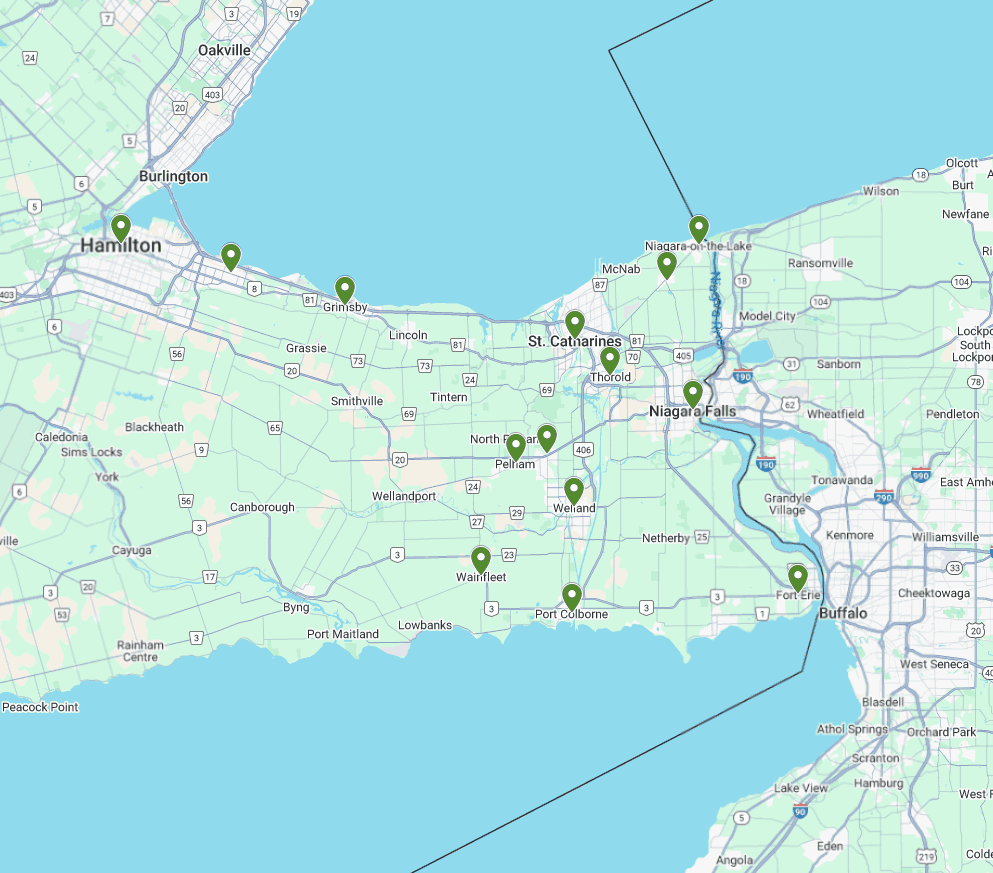
Our service areas encompass a wide range of locations, ensuring that we can meet the needs of our clients wherever they are. From bustling urban centers to serene rural landscapes, we are committed to providing top-notch services tailored to each unique environment.