



Water heater replacement in Wainfleet, ON is explained, outlining how we evaluate your current setup, compare tank and tankless options, and size for peak demand. Covers installation steps, permits, and timelines, disposal of the old unit, and warranty coverage. It also discusses financing, rebates, and post-installation testing, including leaks, venting, electrical checks, and safe operation. Maintenance recommendations and routine inspections help extend lifespan and protect your investment, with clear expectations for a dependable hot water supply.
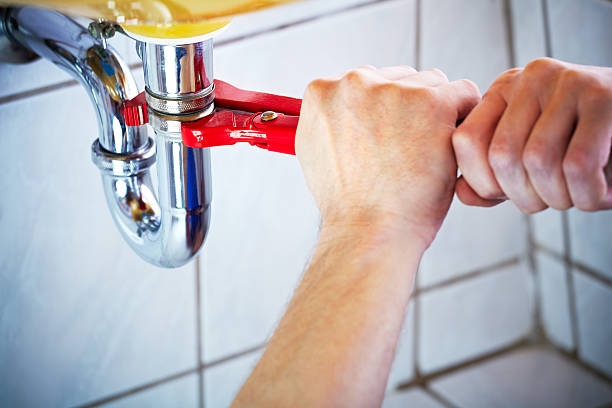
Water Heater Replacement in Wainfleet, ON
Replacing a water heater is a major home decision — especially in Wainfleet where cold winters, rural plumbing layouts, and local water quality can shorten equipment life and increase demand for reliable hot water. This page explains the full water heater replacement process so you know what to expect: how we evaluate your existing setup, options between tank and tankless systems, sizing and efficiency considerations, timing and installation steps, disposal of the old unit, warranty coverage, financing and rebate programs, and final testing to confirm safe, efficient operation.
Why replace a water heater in Wainfleet homes
- Winters in the Niagara Region increase hot water usage for showers, laundry, and heating-related tasks. Older units often struggle to keep up.
- Many Wainfleet properties are older or rural, with longer pipe runs or well water that carries minerals. That can accelerate tank corrosion and scale buildup.
- Replacing an inefficient unit can improve comfort, reduce energy use, and avoid emergency failures during the cold season.
Common water heater issues Wainfleet homeowners see
- Not enough hot water for families or long showers
- Frequent cycling, leaks, or visible corrosion on the tank
- Discolored or mineral-heavy water from well systems
- Pilot light or ignition failures on gas units
- High energy bills from an aging, inefficient heater
Evaluation of existing equipment (what the technician inspects)
A thorough replacement estimate begins with a detailed evaluation of your current system:
- Visual inspection of the tank, connections, valves, venting, and burner assembly (for gas units)
- Assessment of tank interior condition when possible, including signs of corrosion or leaking
- Review of household hot water demand: number of bathrooms, appliances, simultaneous use patterns
- Water quality and source (municipal vs well) to determine scale risk and the need for water treatment
- Venting and combustion air availability, electrical capacity for electric or heat-pump models, and available installation space
From that assessment you’ll receive clear recommendations tailored to your home layout and hot water needs.
Tank vs tankless: which is right for your Wainfleet home
- Tank water heaters (traditional):
- Pros: Simpler installation in many homes, reliable supply for households with predictable usage patterns, lower upfront complexity.
- Cons: Larger footprint, standby heat loss, shorter average operational life in high-mineral water areas without treatment.
- Tankless (on-demand) water heaters:
- Pros: Continuous hot water, higher efficiency, smaller footprint, longer service life when maintained and sized correctly.
- Cons: Higher initial equipment and installation complexity; may require upgrades to gas supply or electrical service and careful sizing for simultaneous use.
Choice depends on your household’s peak hot water demand, existing plumbing and mechanical space, and long-term energy goals. For Wainfleet homes with well water, plan for scale management if choosing tankless.
Sizing and efficiency considerations
- For tanks: first hour rating and recovery rate determine how well the unit meets peak demand. Tank capacity should match household peak usage.
- For tankless: required flow rate (liters per minute) plus temperature rise (incoming water temperature to desired output) drives sizing.
- Consider insulation, pipe length from the heater to fixtures, and whether the home has hard water that requires scale prevention.
- Look for energy-efficiency certifications and durable components (e.g., stainless steel heat exchangers or enhanced anode rods) that perform well in Niagara Region conditions.
Timeline and installation steps you can expect
- Detailed quote and model recommendation following the on-site evaluation
- Scheduling of installation date, permitting (if required) and equipment ordering
- Installation day typical workflow:
- Technicians arrive with protective coverings and tools to protect your home.
- Old unit drained, disconnected, and removed following safety procedures.
- Any required modifications made: gas line sizing, vent adjustments, electrical connections, or new water lines.
- New unit set in place, connected, and anchored; insulation and pipe routing completed.
- System commissioned: water filled, pressure tested, burner or element checks performed, and temperature setpoints adjusted.
- Final walk-through to explain operation, maintenance needs, and warranty registration procedures.
Total timeline varies depending on system complexity, permits, and site conditions. A straightforward like-for-like swap is faster; conversions between fuel types or upgrades to tankless typically take longer.
Disposal of the old unit
Old water heaters are drained, safely disconnected, and removed from your property in accordance with municipal regulations. Most components are recyclable (metal tank, copper piping). If your home has special disposal requirements (for example, hazardous materials), those are handled responsibly and documented.
Warranties and post-installation coverage
- New heaters carry manufacturer warranties for the tank or heat exchanger and components. Labour warranties from the installer cover workmanship for a specified period.
- Registering the manufacturer warranty after installation is important for full coverage.
- Warranty performance can depend on following recommended maintenance, such as annual flushing or scheduled service in areas with hard or well water.
Post-installation testing and handover
After installation we perform a full set of tests:
- Leak and pressure tests on water connections
- Combustion analysis and venting checks for gas units to ensure safe operation
- Electrical load and grounding checks for electric or hybrid systems
- Thermostat settings and safety device checks (temperature-pressure relief valve)
- Demonstration of system operation and any routine maintenance tasks you should perform
Financing, rebates, and incentives (what to consider)
- Many homeowners offset replacement cost through local or provincial energy-efficiency incentive programs and manufacturer promotions. Eligibility often depends on the new unit’s efficiency rating and installation documentation.
- Financing options may be available to spread payments over time; enquire about low-interest or deferred plans where applicable.
- Keep installation receipts and warranty paperwork to support rebate or incentive claims and for future warranty needs.
Maintenance tips to extend lifespan
- Flush tank-style heaters annually to reduce sediment buildup, especially with well water.
- Check and replace sacrificial anode rods as recommended.
- For tankless units, follow manufacturer guidance for descaling if hard water is present.
- Regular inspections of venting, pressure relief valves, and pressure/temperature settings will keep the system safe and efficient.
Replacing a water heater in Wainfleet requires local knowledge of climate effects, water quality, and property layouts. A careful evaluation, the right equipment choice, correct sizing, and professional installation are what deliver dependable hot water year round and protect your investment.

Customer Testimonials

Very efficient company. I needed an old solar water heater removed from my roof. They were quick to book an appointment for the next day after I sent photos. They were very knowledgeable of the issue. The 2 guys that came were friendly and competent with the job, including removal of all parts.

I called John today at 2:pm as my AC was not working and I wasn’t expecting even a call back as I knew with this hot weather we have had he would be swamped with calls. Well he called me back and showed at 8:pm on the same day to fix my AC. That is just incredible service and how much John really cares about his clients. Thank you John !
Lifesavers!! The AC in our house decided to quit the day we were passing the keys to the new owners!! Instead of making a service call to the house, John coached me through the minor repair over the phone, saving me the money and time waiting for a repair person to come.Much appreciated! Thanks again John
We had an amazing experience getting our new furnace installed with Niagara Home Heating. The owner was very helpful, their quote was more then competitive and the technician who installed the unit was professional and friendly. I would recommend their services.
I have used Niagara Home heating for multiple projects for over 16 years. John and his staff are absolutely the best. I tell all my friends and family about Niagara Home Heating because you won’t get any better service or pricing anywhere in Niagara. He has saved me thousands and thousands of dollars and has never let me down.
I had an issue with my hot water tank and called Niagara Home Heating. Their service was fantastic and reasonably priced—exactly how a business should be run!

Service Areas
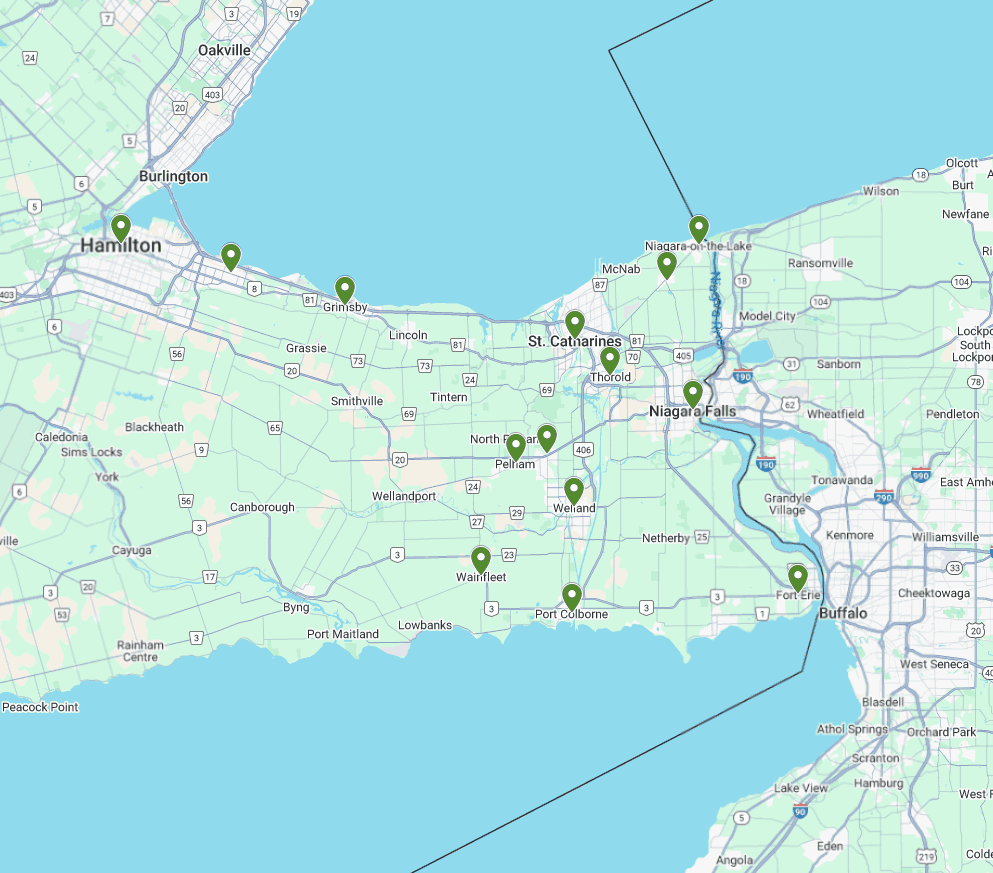
Our service areas encompass a wide range of locations, ensuring that we can meet the needs of our clients wherever they are. From bustling urban centers to serene rural landscapes, we are committed to providing top-notch services tailored to each unique environment.