



Water heater installation in Wainfleet, ON covers expert site assessment, unit selection, and code-compliant installation for tank, tankless, or rental options. It outlines common problems that trigger replacement, discusses capacity, fuel types, and venting considerations, and explains the step-by-step process from pre-installation through commissioning. The guide emphasizes safety checks, warranties, and maintenance to maximize efficiency and extend system life, delivering clear guidance for homeowners to choose the right solution for their climate and home needs.
Water Heater Installation in Wainfleet, ON
Replacing or installing a water heater is a decision that affects comfort, energy bills, and safety in your Wainfleet home. With Niagara Region winters and a steady summer demand for domestic hot water, choosing the right unit and having it installed correctly is essential. This page explains professional water heater installation services in Wainfleet, ON, including site assessment, unit selection, code compliance, installation steps, safety checks, rental and tankless options, maintenance tips, and warranty considerations to help you make an informed decision.
Why professional installation matters for Wainfleet homes
Wainfleet experiences seasonal extremes that influence water heater performance. Cold groundwater in winter makes recovery time longer for tank systems, while summer usage spikes require reliable flow. Poor installation can cause inefficiency, leaks, higher energy bills, and voided warranties. Professional installation ensures the right capacity, proper venting, secure gas or electrical connections, and compliance with Ontario regulations for safe, reliable operation.
Common water heater problems that lead to replacement
- Persistent leaks from the tank or connections
- Loss of hot water or inadequate hot water capacity
- Rust-colored water or metallic taste indicating corrosion
- Loud rumbling or banging caused by sediment buildup
- Frequent pilot failures or ignition problems on gas units
- Age: traditional tanks over 10 to 15 years are at higher risk of failure
Understanding these issues helps determine whether repair or full replacement and a modern upgrade are the better choice for Wainfleet homes.
Types of water heater installations offered
- Conventional tank water heaters (gas or electric): straightforward replacement, available in a range of capacities.
- Tankless (on-demand) water heaters: energy-efficient, space-saving, provide continuous hot water for many households but may require upgraded gas lines or electrical service.
- Hybrid heat pump water heaters: highly efficient in moderate climates, best where space and ambient conditions allow.
- Rental water heaters: short-term or budget-sensitive option when immediate hot water is required without a large upfront investment.
Site assessment: what a professional will evaluate
A thorough on-site assessment ensures the new water heater fits your home’s needs and installation constraints. Key checks include:
- Available fuel type and capacity (natural gas, propane, or electric) and the condition of existing supply lines.
- Space and venting options, including sidewall or vertical venting for gas units.
- Electrical panel capacity for tankless or high-demand electric units.
- Drain access and location for pressure relief valve discharge.
- Water quality (hardness and sediment) which affects anode selection and maintenance recommendations.
- Local restrictions or homeowner association considerations for external equipment.
Unit selection guidance: capacity, fuel type, tankless vs tanked
- Capacity: For tank systems, common household sizing ranges from 30 to 80 gallons. Choose based on household size and peak demand (showers, dishwasher, laundry). Undersizing leads to frequent cold cycles; oversizing wastes energy.
- Fuel type: Natural gas typically offers lower operating cost in the Niagara Region where available. Electric units are simpler to install but can be more expensive to run. Propane and heat pump options should be evaluated for long-term efficiency.
- Tankless vs tanked: Tankless units deliver endless hot water and lower standby losses, ideal for energy-conscious Wainfleet homeowners. They have higher upfront cost and may need larger gas lines or added venting. Tanked systems are less complex to replace and have lower initial cost but larger footprint and thermal losses.
Permits and code compliance
Installations in Wainfleet must comply with the Ontario Building Code and Technical Standards and Safety Authority (TSSA) regulations for fuel-burning appliances. A professional installer will:
- Verify permit requirements with the Township of Wainfleet and obtain necessary permits.
- Follow Ontario electrical and plumbing code requirements for connections and safety devices.
- Ensure gas piping, venting, and combustion air provisions meet TSSA and local standards.
Proper permitting and documentation protect safety and preserve manufacturer warranties.
Step-by-step installation process
- Pre-installation preparation: Site cleared, utilities shut off, and existing unit disconnected and removed in compliance with municipal disposal rules.
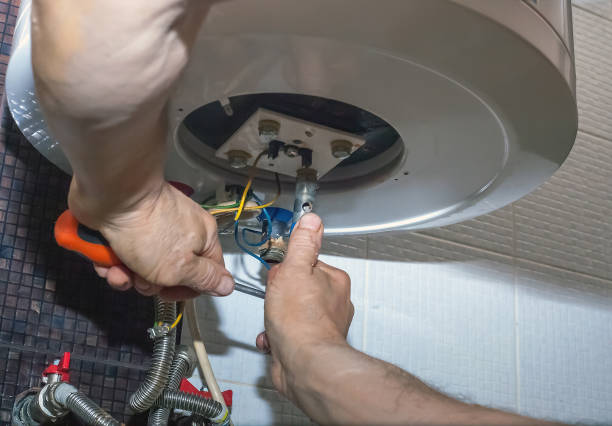
- Rough-in and connections: New water, gas, and electrical connections installed or upgraded as required. Venting, drain pan, and pressure relief discharge are positioned per code.
- Mounting and securing: Tank or tankless unit set and anchored; seismic or drip protection added where needed.
- System fill and leak checks: System pressurized, tested for leaks, and bled of air. Gas connections inspected with leak detection methods.
- Commissioning: Pilot or ignition system started, temperature set, and system run through cycles to verify proper operation and recovery.
- Documentation: Serial numbers, model data, and installation details recorded for warranty registration and future servicing.
Safety checks and commissioning details
Safety is prioritized during commissioning. Key checks include:
- Proper operation of the temperature and pressure relief valve and correct discharge routing.
- Adequate venting and draft testing for gas appliances to prevent combustion byproduct buildup.
- Combustion efficiency and CO checks on gas units.
- Electrical grounding and correct breaker sizing for electric or tankless systems.
- Verification of thermal expansion controls or expansion tanks where municipal backflow conditions require them.
Rental and tankless options explained
- Rental models are useful after a sudden failure or when budget flexibility is needed. Rentals provide immediate hot water with predictable monthly fees and include service coverage.
- Tankless systems are an efficient long-term choice for many Wainfleet homes, especially where space is limited and demand patterns favor intermittent high flow. They reduce energy consumption but may require upgrades to gas service or electrical infrastructure.
Maintenance recommendations for longevity
Wainfleet water quality and seasonal use patterns make maintenance important:
- Tank systems: Annual flushing to remove sediment, anode rod inspection or replacement every 3 to 5 years depending on water hardness, and checking valves and fittings.
- Tankless systems: Descale every 12 to 24 months in hard water areas to maintain heat exchanger efficiency.
- All systems: Annual visual inspection, safety device testing, and performance tune-ups extend service life and maintain efficiency. Consider a water treatment or softening solution if hardness is high.
Warranty and service plan information
Manufacturer warranties vary by type and model. Tank water heaters commonly carry limited warranties of 6 to 12 years for tanks, while some tankless units offer extended warranties on heat exchangers. Proper installation, code compliance, and routine maintenance are normally required to keep warranties valid. Service plans typically include annual inspections, priority scheduling, and parts or labor coverage tiers that help control long-term ownership costs.
ConclusionProfessional water heater installation in Wainfleet, ON ensures reliable hot water, energy efficiency, and safety while meeting Ontario code and local permit requirements. Whether you choose a conventional tank, a high-efficiency tankless unit, a rental option, or a hybrid system, careful site assessment, correct sizing, and routine maintenance tailored to Wainfleet conditions will protect your investment and keep hot water available when you need it.

Customer Testimonials

Lifesavers!! The AC in our house decided to quit the day we were passing the keys to the new owners!! Instead of making a service call to the house, John coached me through the minor repair over the phone, saving me the money and time waiting for a repair person to come.Much appreciated! Thanks again John

I have used Niagara Home heating for multiple projects for over 16 years. John and his staff are absolutely the best. I tell all my friends and family about Niagara Home Heating because you won’t get any better service or pricing anywhere in Niagara. He has saved me thousands and thousands of dollars and has never let me down.
Very efficient company. I needed an old solar water heater removed from my roof. They were quick to book an appointment for the next day after I sent photos. They were very knowledgeable of the issue. The 2 guys that came were friendly and competent with the job, including removal of all parts.
We had an amazing experience getting our new furnace installed with Niagara Home Heating. The owner was very helpful, their quote was more then competitive and the technician who installed the unit was professional and friendly. I would recommend their services.
I called John today at 2:pm as my AC was not working and I wasn’t expecting even a call back as I knew with this hot weather we have had he would be swamped with calls. Well he called me back and showed at 8:pm on the same day to fix my AC. That is just incredible service and how much John really cares about his clients. Thank you John !
I had an issue with my hot water tank and called Niagara Home Heating. Their service was fantastic and reasonably priced—exactly how a business should be run!

Service Areas
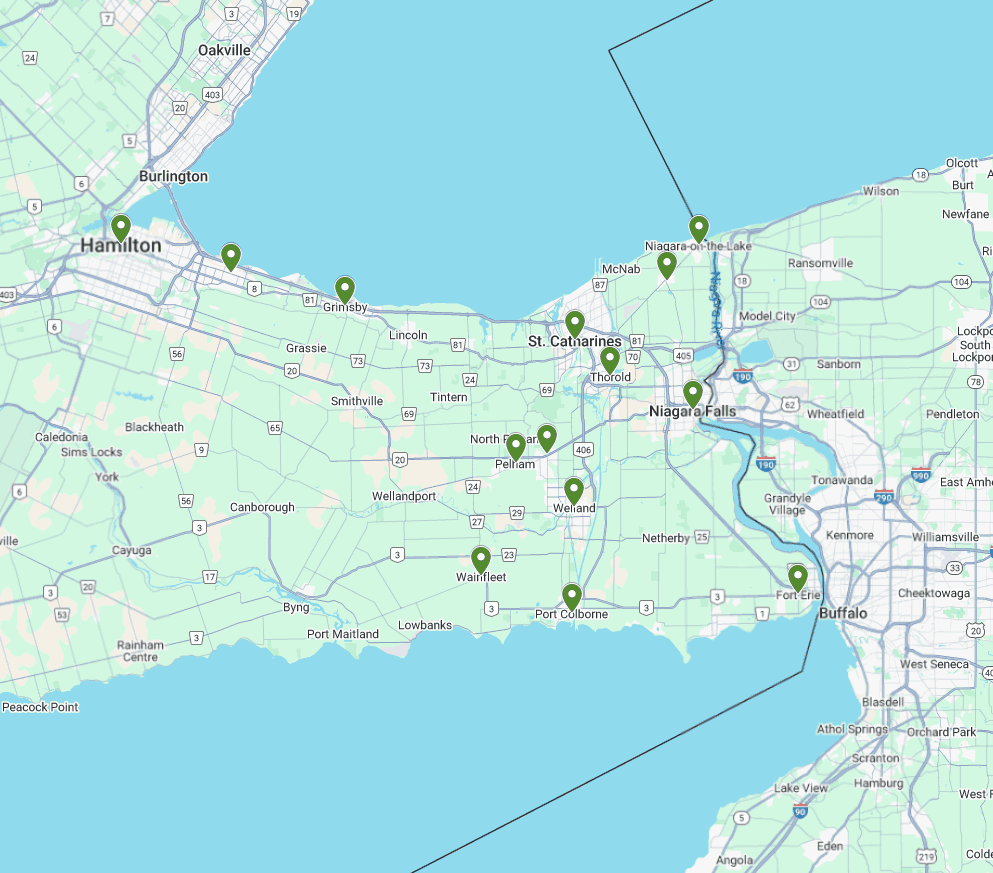
Our service areas encompass a wide range of locations, ensuring that we can meet the needs of our clients wherever they are. From bustling urban centers to serene rural landscapes, we are committed to providing top-notch services tailored to each unique environment.