



Water heater replacement in Grimsby, ON provides a clear guide to choosing the right system, timing replacements before cold winters, and understanding cost ranges. It compares tank, tankless, and heat pump options, describes sizing by household, and highlights efficiency ratings and hard-water considerations. The article walks through the replacement process from site assessment to installation, covers permits, warranties, and rebates, and describes financing or rental options, maintenance tips, and long-term savings for Grimsby homes today.
Water Heater Replacement in Grimsby, ON
Replacing your water heater is one of the most effective ways to improve comfort, reduce energy bills, and avoid emergency failures. In Grimsby, ON, where cold winters and seasonal tourism demand place extra strain on household systems, timely water heater replacement protects your home from frozen pipes, insufficient hot water during peak use, and rising operating costs. when replacement is recommended, compares tank and tankless options, walks through sizing and efficiency, outlines the replacement process, summarizes cost expectations and financing or rental alternatives, and details warranty and rebate considerations specific to Grimsby homeowners.
When is replacement recommended?
Common water heater replacement indicators in Grimsby homes:
- Age: Traditional tank heaters often show signs of aging after 8 to 12 years; tankless models commonly last 15 to 20 years.
- Rusty or discolored water and frequent leaks from the tank or fittings.
- Not enough hot water for daily needs even after minor repairs.
- Rumbling or banging noises from the tank indicating sediment buildup.
- Rising energy bills with no change in household usage.
- Repeated repairs that together approach the cost of a new unit.
Because Grimsby winters are cold and water demands can fluctuate seasonally, replacing a failing unit before it fails in winter helps avoid emergency service needs and potential water damage.
Tank vs Tankless: pros and cons for Grimsby homes
- Tank water heaters (gas or electric)
- Pros: Lower upfront equipment cost, simpler installation, consistent supply for short-to-moderate household demands.
- Cons: Standby heat loss from stored water, larger footprint, shorter average service life.
- Tankless (on-demand) water heaters
- Pros: Reduced energy use for households with variable demand, longer lifespan, smaller footprint, endless hot water when sized correctly.
- Cons: Higher upfront cost, possible need for gas line/venting upgrades or electrical upgrades, flow-rate limitations in very cold inlet temperatures.
- Heat pump (hybrid) water heaters
- Pros: Very high efficiency (especially for electric homes), significant operating cost savings in moderate climates.
- Cons: Reduced performance in very cold spaces; needs a dry, ventilated location and slightly larger installation space.
In Grimsby, the choice often depends on whether your home is primarily gas or electric, your household hot water patterns, and available installation space. Heat pump units perform very well in basements that remain above freezing; tankless units are attractive for homes wanting compact solutions and long-term durability.
Sizing and energy-efficiency guidance
- Tank sizing: Match tank capacity to household size and habits. Rough guide:
- 1–2 people: 30–40 US gallons (110–150 L)
- 2–4 people: 40–60 US gallons (150–225 L)
- 4+ people or high simultaneous use: 60+ gallons (225+ L)
- Tankless sizing: Focus on required flow rate (liters per minute or gallons per minute) and temperature rise from Lake Ontario-sourced cold-water temperatures. Typical needs:
- Single fixture: 2–3 GPM (7.5–11 L/min)
- Whole-home: 6–12 GPM (22–45 L/min) depending on simultaneous use
- Efficiency metrics: Look for UEF (Uniform Energy Factor) for tanks and energy factor or UEF for tankless models. Heat pump water heaters have much higher efficiencies and significantly lower annual operating costs compared with standard electric tanks.
Water hardness around the Niagara region can accelerate scale buildup in both tanks and tankless units. For Grimsby homes with hard water, plan for descaling or a water softener to protect performance and warranty coverage.
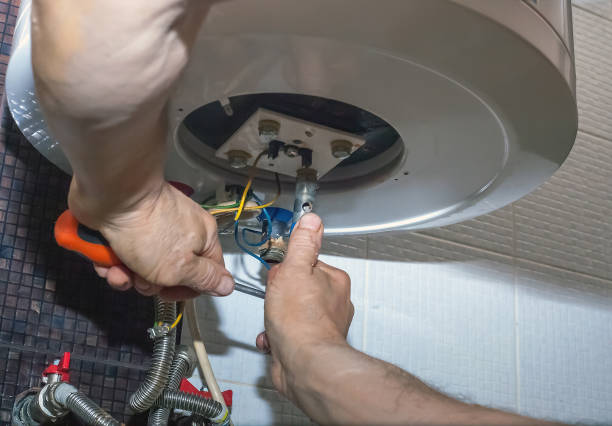
Replacement process: what to expect
Licensed technicians should complete gas conversions, new vents, or modifications to ensure safety and code compliance.
Cost estimates and factors
Typical replacement ranges (Canadian dollars) including installation will vary by model, complexity, and home specifics:
- Electric tank replacement: approximately $1,200 to $3,000 CAD
- Gas tank replacement: approximately $1,500 to $3,500 CAD
- Tankless gas or electric replacement: approximately $2,500 to $6,000+ CAD
- Heat pump (hybrid) water heater: approximately $3,000 to $7,500+ CAD
Cost drivers include fuel type, venting or gas-line upgrades, electrical service upgrades, location accessibility, and required permits. A detailed site assessment will narrow the estimate.
Financing, rental, and rebate options
- Financing: Many homeowners finance equipment through home improvement loans or HVAC financing programs that spread payments over months or years. Terms and interest rates vary.
- Rental: Rental water heaters are an alternative to purchasing; they provide predictable monthly charges and maintenance but can cost more over long term. Rentals are sometimes useful for short-term projects or properties with uncertain long-term plans.
- Rebates and incentives: Provincial and federal incentives, as well as local utility rebates, may be available for high-efficiency or heat pump water heaters. Availability changes over time; check current programs for eligibility and application procedures. High-efficiency models may also reduce long-term operating costs enough to offset higher upfront investment.
Warranty and longevity
- Manufacturer warranties: Typical warranties range from 6 to 12 years for tanks, 10 to 15 years for tankless heat exchangers, and 3 to 10 years for heat pump components. Read warranty terms carefully for coverage of parts, labor, and conditions such as water quality requirements.
- Extended warranties: Service plans can extend protection and cover routine maintenance. Keeping records of annual maintenance often preserves warranty rights.
Expected benefits and long-term savings
- Lower energy bills with high-efficiency and heat pump models. Depending on your current unit, expect energy savings of 20 to 60 percent with efficient replacements over time.
- Increased reliability and reduced emergency repair risk during Grimsby winters.
- Improved home value and comfort from dependable hot water supply.
- Longer service life and lower lifecycle cost with tankless and heat pump options when properly maintained.
Maintenance tips to protect your investment
- Flush tanks annually to remove sediment and extend life.
- Replace anode rods on tanks when depleted to reduce corrosion.
- Descale tankless units yearly if water hardness is moderate to high.
- Keep combustion areas clear for gas units and verify venting and condensate lines.
- Schedule annual inspections to catch small issues before they require major repairs.
Replacing a water heater in Grimsby, ON should be approached with a clear understanding of household needs, local climate effects, and long-term operating costs. Proper sizing, the right technology choice, and regular maintenance deliver the best performance and value for your home.

Customer Testimonials

I have used Niagara Home heating for multiple projects for over 16 years. John and his staff are absolutely the best. I tell all my friends and family about Niagara Home Heating because you won’t get any better service or pricing anywhere in Niagara. He has saved me thousands and thousands of dollars and has never let me down.

We had an amazing experience getting our new furnace installed with Niagara Home Heating. The owner was very helpful, their quote was more then competitive and the technician who installed the unit was professional and friendly. I would recommend their services.
I called John today at 2:pm as my AC was not working and I wasn’t expecting even a call back as I knew with this hot weather we have had he would be swamped with calls. Well he called me back and showed at 8:pm on the same day to fix my AC. That is just incredible service and how much John really cares about his clients. Thank you John !
Very efficient company. I needed an old solar water heater removed from my roof. They were quick to book an appointment for the next day after I sent photos. They were very knowledgeable of the issue. The 2 guys that came were friendly and competent with the job, including removal of all parts.
Lifesavers!! The AC in our house decided to quit the day we were passing the keys to the new owners!! Instead of making a service call to the house, John coached me through the minor repair over the phone, saving me the money and time waiting for a repair person to come.Much appreciated! Thanks again John
I had an issue with my hot water tank and called Niagara Home Heating. Their service was fantastic and reasonably priced—exactly how a business should be run!

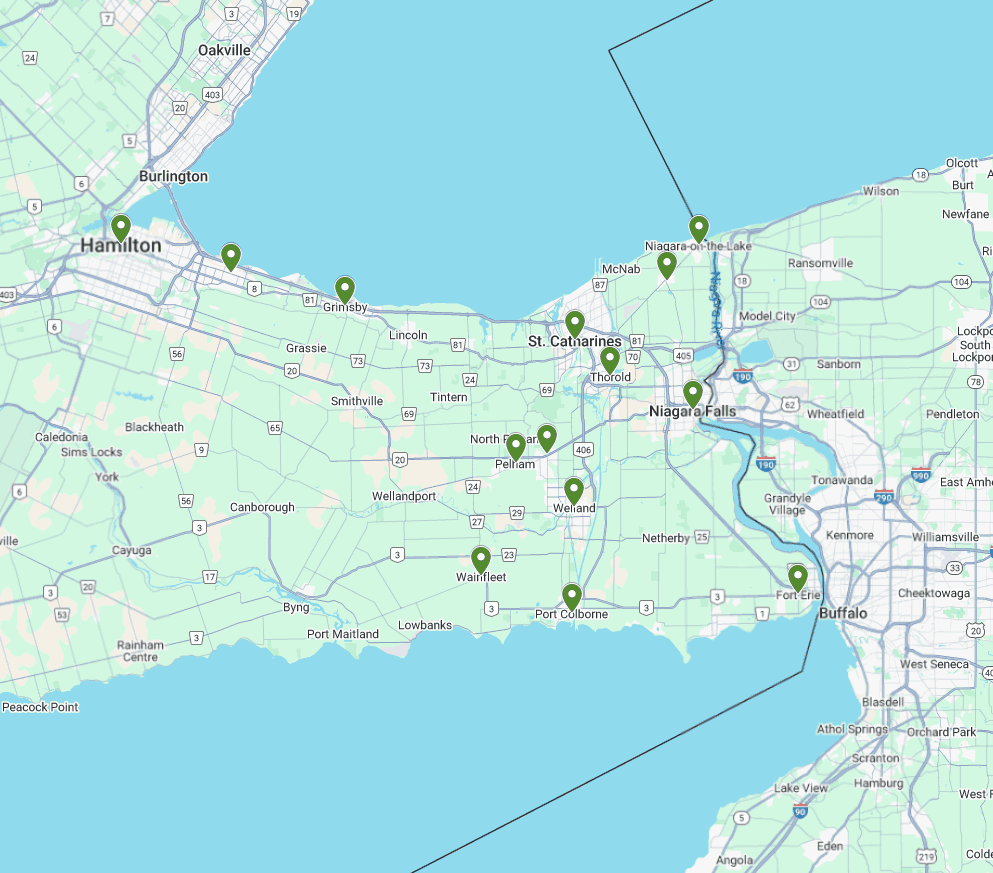
Service Areas
Our service areas encompass a wide range of locations, ensuring that we can meet the needs of our clients wherever they are. From bustling urban centers to serene rural landscapes, we are committed to providing top-notch services tailored to each unique environment.