



It describes 24/7 emergency furnace repair in St. Catharines, ON, including why rapid service matters, common urgent symptoms, and a safety-first on-site protocol. It describes the rapid-response process - dispatcher triage, priority dispatch to the closest certified tech, pre-arrival guidance, and on-site CO risk assessment - plus on-site diagnostic steps such as ignition tests and error-code reads. It also covers temporary safety measures homeowners can apply, what fixes are immediate versus follow-up, and tips to request service quickly and maintain long-term reliability.
-min.jpeg)
furnace emergency-furnace-repair in St Catharines, ON
When your furnace fails in the middle of a cold St Catharines night, minutes matter. Winters here bring lake effect cold and rapid temperature drops that make a broken furnace an urgent safety and comfort issue for families and businesses. This page explains how 24/7 emergency furnace repair in St Catharines, ON works, how technicians triage and fix urgent faults on site, what homeowners can do safely before help arrives, and which problems can be fixed immediately versus those that require follow-up work.
Why 24/7 emergency furnace repair matters in St Catharines
St Catharines experiences bitter nights, heavy snowfall, and quick swings in temperature during heating season. That increases the chance a failing furnace will cause frozen pipes, unsafe indoor conditions, or carbon monoxide exposure. A local emergency repair service is designed to respond quickly, stabilize your system, and restore safe heat whenever you face a critical failure.
Common urgent furnace symptoms in St Catharines homes
- No heat at all while the blower runs or nothing operates.
- Frequent shutdowns or short cycling: furnace starts then stops repeatedly, often leaving rooms cold.
- Gas smell near the equipment or pilot area.
- Carbon monoxide alarm activation or occupants experiencing headaches, dizziness, nausea.
- Unusual noises like banging, rumbling, or loud pops at startup.
- Sustained error codes shown on the furnace control or thermostat.
- Frozen condensate or blocked venting during deep freezes leading to shutdowns or safety lockouts.
Rapid-response emergency repair protocol
Emergency furnace repair in St Catharines follows a clear, safety-first protocol to protect your home and family:
- Dispatcher triage: technicians collect key details (symptoms, furnace make/model, CO alarm status, gas smell) to prioritize response.
- Priority dispatch: the closest certified technician with a fully stocked van is routed immediately.
- Pre-arrival guidance: if the fault indicates danger (gas smell or CO alarm), occupants are advised to leave the home and contact emergency services first.
- On-site safety check: arrival begins with a leak and CO risk assessment, ventilation check, and power/gas isolation as required.
- Live diagnosis: technicians use visual inspection, error code scans, combustion analysis when needed, and quick function tests to identify the root cause.
On-site diagnostic and triage procedures
Technicians follow a systematic triage to separate immediate hazards from issues that can wait:
- Verify CO alarm and test ambient air if CO alarm triggered.
- Check for gas leaks and ventilations obstructions.
- Inspect flue, intake vents, and exterior terminations for blockages (snow, ice, nests).
- Confirm thermostat operation, power supply, and tripped breakers or blown fuses.
- Read furnace error codes and run ignition and flame detection tests.
- Evaluate critical components: ignition system, heat exchanger visibility for cracks, limit switches, blower motor and capacitors, and control board operation.
This approach allows technicians to determine if a safe, temporary repair will restore heat or if the unit must be taken offline pending a larger repair.
Temporary safety measures technicians may apply
When a full repair cannot be completed immediately, common safety-first temporary measures include:
- Shutting down gas supply and securing the area if a leak is suspected.
- Isolating the furnace to prevent further damage while restoring safe heat through temporary heating sources as appropriate.
- Clearing vents and condensate lines blocked by ice or debris to restore normal operation.
- Resetting controls and replacing small, quick-fix parts (fuses, limit switches, transformer fuses) when safe and indicated.
- Providing guidance on safe interim steps for occupants, such as increasing insulation, opening cabinet doors to share heat, or safely using approved space heaters.
Technicians will document findings and explain what was done, why, and what follow-up work is recommended.
Typical immediate fixes versus follow-up repairs
Immediate fixes that often restore heat in an emergency call:
- Replacing a blown fuse or resettable component.
- Clearing blocked intake or exhaust venting.
- Replacing a failed flame sensor, fuse, or thermostat battery.
- Resetting control boards and clearing transient error codes.
- Replacing easily accessible safety switches or sequencers.
Repairs commonly scheduled as follow-up:
- Heat exchanger replacement (major safety inspection required).
- Control board or gas valve replacement when parts are not on the truck.
- Motor or blower assembly replacement that requires larger parts or a return visit.
- Complete furnace replacement for units that are unsafe, inefficient, or beyond economical repair.
- Extensive duct repairs or seals that require additional labor and materials.
What you can safely do before help arrives
Only perform simple checks that do not involve gas or electrical work:
- Check that the thermostat is set to heat and the temperature setting is above room temperature.
- Inspect the furnace air filter and replace if extremely dirty; a clogged filter can cause shutdowns.
- Verify the furnace switch and circuit breaker are on and not tripped.
- If you smell gas or your CO alarm is active, evacuate immediately and call emergency services from a safe location.Do not attempt to disassemble the furnace, manipulate gas valves, or work on electrical components.
How to request emergency furnace service quickly
When calling an emergency dispatcher, having this information ready speeds response and triage:
- Exact issue and when it started (no heat, CO alarm, gas smell).
- Furnace make, model, and approximate age if known.
- Any error codes shown on the furnace or thermostat.
- Whether anyone is experiencing symptoms of CO exposure.
- Accessibility details: unit location (basement, closet), key or gate information, and best arrival times.
A clear description helps the dispatcher send the right technician with the right tools and parts for the fastest possible resolution.
Benefits of acting quickly and maintenance advice
Prompt emergency repair reduces the risk of carbon monoxide exposure, prevents frozen pipes, and limits secondary damage to your home. After the immediate problem is handled, schedule a comprehensive inspection and seasonal maintenance to reduce the chance of repeat emergencies. In St Catharines, regular winter checks are especially important because cold snaps stress older systems and vents can be compromised by snow and ice.
Timely 24/7 emergency furnace repair combined with preventive maintenance keeps your home safe and warm during the most demanding Ontario winters.

Customer Testimonials

Lifesavers!! The AC in our house decided to quit the day we were passing the keys to the new owners!! Instead of making a service call to the house, John coached me through the minor repair over the phone, saving me the money and time waiting for a repair person to come.Much appreciated! Thanks again John

We had an amazing experience getting our new furnace installed with Niagara Home Heating. The owner was very helpful, their quote was more then competitive and the technician who installed the unit was professional and friendly. I would recommend their services.
I have used Niagara Home heating for multiple projects for over 16 years. John and his staff are absolutely the best. I tell all my friends and family about Niagara Home Heating because you won’t get any better service or pricing anywhere in Niagara. He has saved me thousands and thousands of dollars and has never let me down.
I had an issue with my hot water tank and called Niagara Home Heating. Their service was fantastic and reasonably priced—exactly how a business should be run!
I called John today at 2:pm as my AC was not working and I wasn’t expecting even a call back as I knew with this hot weather we have had he would be swamped with calls. Well he called me back and showed at 8:pm on the same day to fix my AC. That is just incredible service and how much John really cares about his clients. Thank you John !
Very efficient company. I needed an old solar water heater removed from my roof. They were quick to book an appointment for the next day after I sent photos. They were very knowledgeable of the issue. The 2 guys that came were friendly and competent with the job, including removal of all parts.

Service Areas
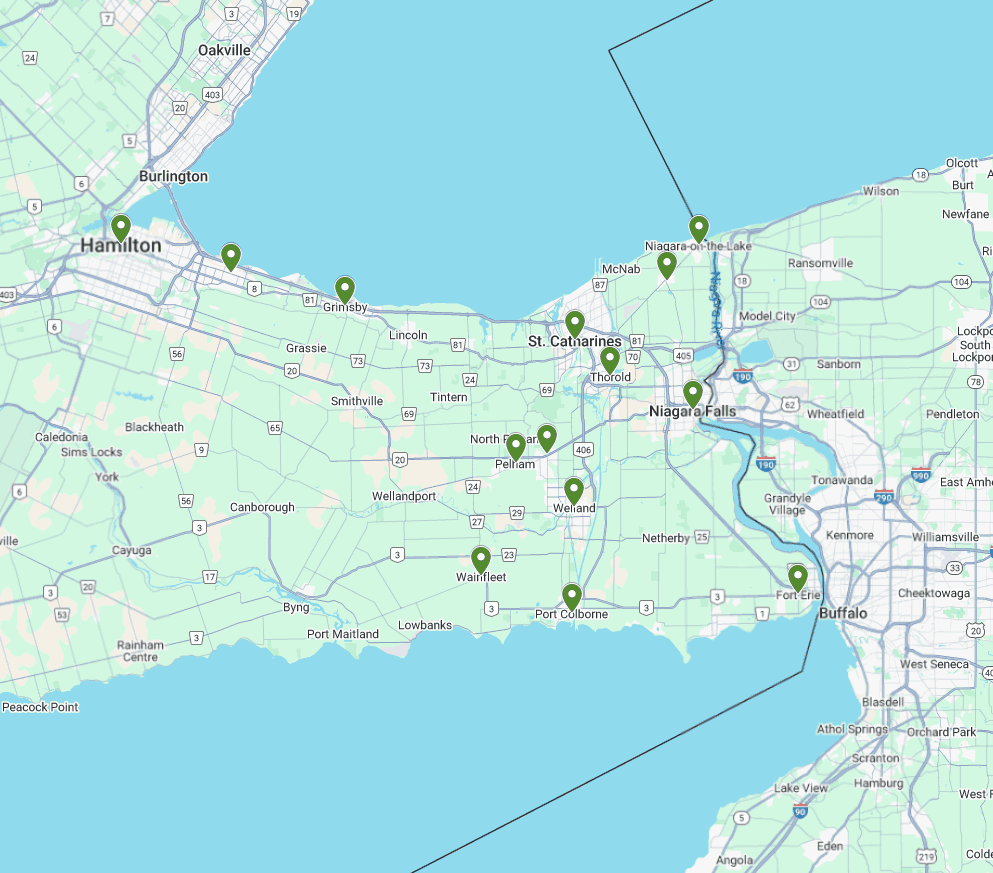
Our service areas encompass a wide range of locations, ensuring that we can meet the needs of our clients wherever they are. From bustling urban centers to serene rural landscapes, we are committed to providing top-notch services tailored to each unique environment.