



St Catharines homeowners seeking heating installation will learn the complete process from initial site evaluation to commissioning and handover. The guide covers common system types, sizing and efficiency considerations, ductwork and piping planning, permits, and code compliance, then details a step-by-step workflow from preparation to final connections and sealing. It also explains testing, system commissioning, warranty support, and post-install maintenance, highlighting long-term benefits like improved comfort, energy savings, and reliable operation in Niagara's cold winters, year-round efficiency.
.jpeg)
Heating installation in St Catharines, ON
Replacing or installing a new heating system is one of the most important investments for homeowners in St Catharines, ON. With cold, lake effect winters, tight energy budgets, and a mix of older detached homes and newer builds across the Niagara Region, the right heating installation improves comfort, reduces energy costs, and helps avoid emergency breakdowns. It describes the full heating installation process for St Catharines homes — from site evaluation and equipment selection to commissioning, homeowner handover, and warranty support — so you know exactly what to expect.
Common heating installation types and issues in St Catharines
Many homes in St Catharines use natural gas furnaces or boilers, while heat pumps and ductless systems are growing in popularity because of improved efficiency and incentives. Typical installation needs include:
- Furnace or boiler replacement in older homes with outdated equipment
- New installations for renovations or additions
- Switching from boiler to high-efficiency furnace or heat pump
- Ductless solutions for homes without usable ductwork
- Zoning or duct upgrades to correct uneven heating
Common heating installation issues in St Catharines include undersized equipment for lake effect cold snaps, corroded or leaky ducts, inadequate combustion air in tighter homes, and improper condensate handling for high-efficiency appliances.
Site evaluation: the foundation of a correct install
A careful on-site evaluation ensures the new system performs reliably in St Catharines conditions. Key components of the evaluation:
- Home heating load calculation (Manual J style): measures insulation, window area, orientation, and local climate to determine required BTU capacity
- Ductwork or piping inspection: identifies leaks, insulation gaps, airflow restrictions, or incompatible layouts
- Venting and combustion air assessment: confirms safe venting routes and fresh air supply for gas appliances
- Fuel and power checks: verifies natural gas service, electrical circuit capacity, or suitability for heat pump outdoor units
- Location planning: finds the best placement for the furnace/boiler, outdoor heat pump, and thermostat for efficient operation
Accurate evaluation prevents oversizing or undersizing and anticipates installation challenges unique to St Catharines homes, such as limited mechanical room space or older chimney flues.
Equipment selection and sizing
Selecting the right equipment balances comfort, efficiency, budget, and long-term reliability. Considerations include:
- Proper sizing: a correctly sized furnace, boiler, or heat pump avoids short cycling and reduces energy waste
- Efficiency ratings: AFUE for furnaces/boilers, HSPF and SEER for heat pumps, balancing upfront cost with seasonal savings
- Fuel source: natural gas remains common in St Catharines, but electric heat pumps are increasingly viable for lower-carbon heating
- Features: variable-speed blowers, two-stage heating, modulating boilers, ECM motors, smart thermostats, and zoning capabilities
- Compatibility: ensuring new equipment integrates with existing ductwork, radiant piping, or backup systems
Because St Catharines faces cold winter peaks, a common approach is pairing a heat pump for milder months with a high-efficiency gas furnace or hybrid controls for peak cold.
Ductwork or piping considerations
Duct and hydronic systems are often the limiting factor in performance. Installation planning includes:
- Duct sealing and insulation to eliminate leaks and heat loss
- Duct resizing or reconfiguration for proper airflow and balanced rooms
- Adding return paths where missing to avoid pressure imbalances
- Piping layout for boilers: corrosion-resistant connectors, correct slope and air elimination, and expansion tank sizing
- Condensate drainage for high-efficiency appliances, with freeze protection where required
Addressing these items during installation maximizes efficiency and extends system life, particularly important in older St Catharines houses.
Permitting and code compliance
Every professional install follows Ontario codes and local requirements:
- Building permits and inspection coordination through the local municipality
- Compliance with the Ontario Building Code and fuel-specific regulations
- TSSA requirements for gas appliance installation and certification
- Proper flue sizing, combustion air, and vent termination clearances
- Documentation of installed equipment and control strategies for permits and future servicing
Adhering to code protects safety and ensures warranties remain valid.
Step-by-step installation workflow
A typical heating installation proceeds in clear stages:
- Preparation: protect floors and furniture, verify parts and clearances, and disconnect old equipment safely
- Safe removal: remove and responsibly dispose of the old furnace, boiler, or heat pump components
- Rough-in: install new platform, duct transitions, piping lines, gas line or electrical upgrades, and venting
- Equipment set and secure: position the new appliance, make mechanical and electrical connections, and install controls
- Final connections: complete gas line pressure testing, water connections for boilers, condensate drains, and thermostat wiring
- Insulation and sealing: finalize duct sealing and insulate piping or ducts as required
- Cleanup: remove debris and restore protected areas
This workflow reduces surprises and keeps the job neat and efficient in a single coordinated schedule.
System testing and commissioning
Commissioning validates performance and safety:
- Pressure and leak testing of gas and hydronic lines
- Combustion analysis for gas appliances to confirm correct fuel-air ratio and CO levels
- Airflow measurements and duct balancing for even distribution
- Electrical safety checks and operational testing across all modes
- Efficiency verification against manufacturer specifications
- Recording system settings and performance metrics for future reference
Thorough commissioning is critical in St Catharines where efficient operation during cold spells matters most.
Homeowner walkthrough and maintenance handover
At project completion homeowners receive a full walkthrough covering:
- System operation, thermostat programming, and seasonal mode changes
- Filter types and replacement intervals, and how to access service panels
- Simple troubleshooting tips and what to expect in normal cycling
- Recommended maintenance schedule, including annual tune-ups for optimal safety and efficiency
- Documentation: equipment manuals, warranty cards, and commissioning records
This handover ensures owners can confidently operate and maintain their new system.
Warranty and post-install support
Professional installations include:
- Manufacturer equipment warranties and terms
- Labour warranties for installation workmanship and corrective work
- Guidance on warranty registration and conditions that could void coverage
- Options for ongoing service plans to preserve efficiency and detect issues early
Registered warranties and documented installations are especially valuable in the Niagara Region where long winters increase system usage.
Long-term benefits and maintenance tips for St Catharines homes
A properly executed heating installation improves comfort, reduces monthly heating costs, and lowers repair risk. For durability in St Catharines climate consider:
- Annual tune-ups before the heating season and prompt filter replacements
- Sealing and insulating attics and ducts to reduce load
- Considering hybrid systems combining heat pumps and gas furnaces for year-round efficiency
- Maintaining carbon monoxide detectors and safe venting clearances
- Monitoring utility rebates or incentive programs for efficient equipment upgrades
A professional, code-compliant installation tailored to St Catharines conditions delivers reliable warmth, improved air quality, and predictable operating costs for years to come.

Customer Testimonials

I called John today at 2:pm as my AC was not working and I wasn’t expecting even a call back as I knew with this hot weather we have had he would be swamped with calls. Well he called me back and showed at 8:pm on the same day to fix my AC. That is just incredible service and how much John really cares about his clients. Thank you John !

I have used Niagara Home heating for multiple projects for over 16 years. John and his staff are absolutely the best. I tell all my friends and family about Niagara Home Heating because you won’t get any better service or pricing anywhere in Niagara. He has saved me thousands and thousands of dollars and has never let me down.
Lifesavers!! The AC in our house decided to quit the day we were passing the keys to the new owners!! Instead of making a service call to the house, John coached me through the minor repair over the phone, saving me the money and time waiting for a repair person to come.Much appreciated! Thanks again John
Very efficient company. I needed an old solar water heater removed from my roof. They were quick to book an appointment for the next day after I sent photos. They were very knowledgeable of the issue. The 2 guys that came were friendly and competent with the job, including removal of all parts.
We had an amazing experience getting our new furnace installed with Niagara Home Heating. The owner was very helpful, their quote was more then competitive and the technician who installed the unit was professional and friendly. I would recommend their services.
I had an issue with my hot water tank and called Niagara Home Heating. Their service was fantastic and reasonably priced—exactly how a business should be run!

Service Areas
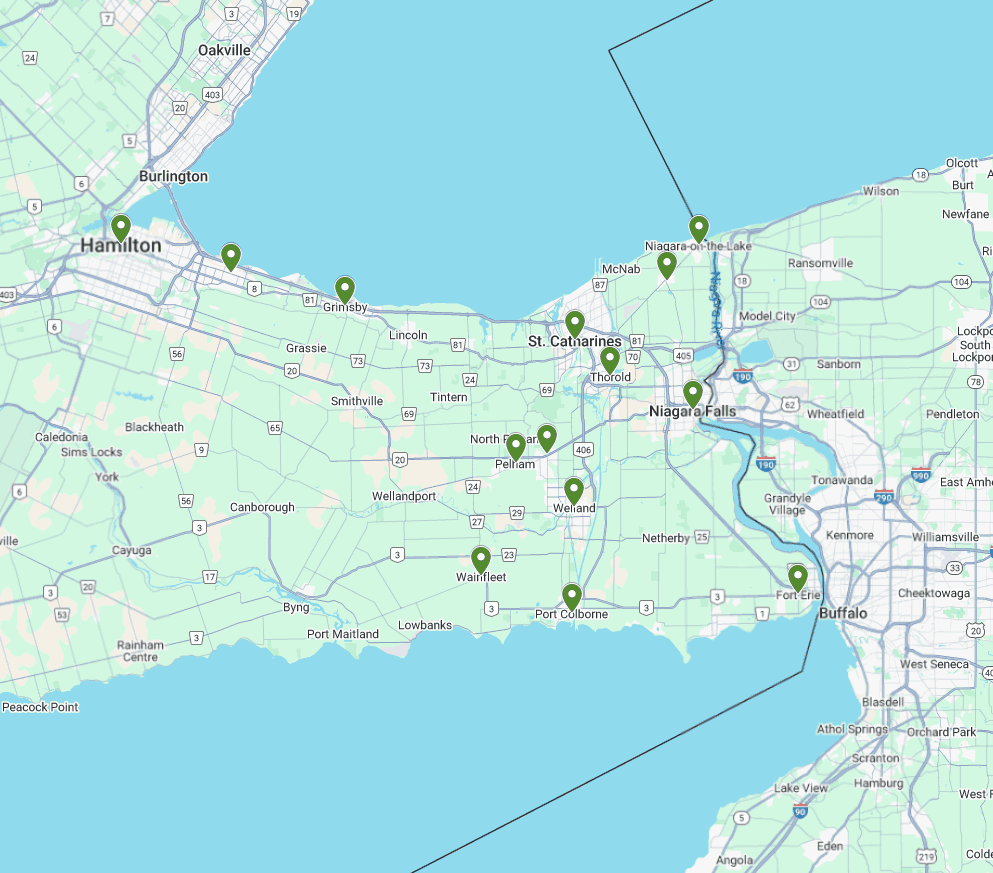
Our service areas encompass a wide range of locations, ensuring that we can meet the needs of our clients wherever they are. From bustling urban centers to serene rural landscapes, we are committed to providing top-notch services tailored to each unique environment.