



Furnace tune-up in St Catharines, ON provides a thorough preventative service to keep heating systems safe, efficient, and reliable through Niagara winters. It describes local challenges, a detailed checklist (burners, heat exchanger, ignition, lubrication, safety controls, CO testing, and documentation), typical visit steps, expected duration, and seasonal timing recommendations. It also highlights performance improvements (5–15% efficiency gains, quieter operation, fewer mid-winter breakdowns) and annual maintenance benefits for homes near the lake. This page also describes safety inspections and next steps for repairs.
-min.jpeg)
furnace tune-up in St Catharines, ON
A professional furnace tune-up is the single best preventative step you can take to keep your heating system running safely, efficiently, and reliably through St Catharines winters. With cold, lake-effect conditions and variable shoulder seasons in the Niagara Region, a well-maintained furnace reduces the risk of mid-season breakdowns, lowers energy use, improves comfort, and protects indoor air quality in your home.
Why a tune-up matters in St Catharines homes
St Catharines experiences long, wet winters and humid summers that can leave ash, dust, and corrosion in heating equipment and ductwork. Older homes in the area often have aging furnaces or ductwork that amplify small problems into costly failures. A furnace tune-up addresses common local challenges by restoring performance, spotting safety issues like heat exchanger cracks or venting problems, and helping your system adapt to colder temperature swings typical of the Niagara region.
Typical furnace tune-up checklist
A furnace tune-up is a methodical inspection and service routine covering safety, combustion, airflow, and controls. Typical items included:
- Clean burners and coils to restore efficient combustion and consistent heat output
- Inspect heat exchanger visually (and with diagnostic tools when needed) for cracks, rust, or signs of leakage that could cause carbon monoxide entry
- Verify ignition system (pilot assembly or electronic ignition) and flame pattern for stable combustion
- Lubricate motors and moving parts (fan motors, bearings) to reduce wear and noise
- Check and tighten electrical connections to prevent shorts and intermittent failures
- Inspect and test the flue/venting system for proper draft, blockages, corrosion, or loose fittings
- Measure gas pressure and burner operation for correct fuel delivery and efficiency
- Verify thermostat operation and calibration to ensure accurate setpoints and proper cycling
- Replace or advise on furnace filter condition and recommend the appropriate filter type and replacement interval
- Inspect blower assembly and clean as needed to restore airflow and reduce strain on the motor
- Check safety controls (limit switches, rollouts, pressure switches) and test system shutdown responses
- Carbon monoxide (CO) check and test for safe venting during operation
- Final performance run and documentation with notes on findings, repairs made, and recommendations
What a typical service visit looks like
A certified technician follows a consistent process so you know what to expect:
Expected duration
Most standard furnace tune-ups take between 45 minutes and 90 minutes, depending on furnace size, age, and access. Systems that require more thorough cleaning, have restricted access, or need additional diagnostics can take longer. Technicians generally work methodically to complete safety checks and leave a short written summary of the work performed.
Seasonal timing recommendations
- Annual fall tune-up (best timing): Schedule in late summer or early fall (September to early November) so your furnace is checked and ready before the first extended cold snap. This timing prevents peak-season service delays and reduces the chance of emergency repairs in freezing weather.
- Post-summer check: If your home had renovation dust or compromised ducts over the summer, an early fall tune-up helps clear debris that can impede combustion and airflow.
- Older systems: Homes with furnaces older than 10–15 years may benefit from semi-annual checks or an additional mid-winter inspection if the system shows signs of inefficiency, frequent cycling, or noisy operation.
Performance improvements you can expect
After a full tune-up, most homeowners notice measurable and practical benefits:
- Improved efficiency: Restoring burner and blower performance typically yields 5% to 15% improved heating efficiency, often reflected in lower gas usage.
- More consistent heat and airflow: Clean burners and calibrated controls reduce hot and cold spots and shorten warm-up times.
- Quieter operation: Lubrication, tightened components, and cleaned blower assemblies reduce rattles and motor noise.
- Fewer breakdowns: Identifying worn components and safety issues early decreases the chance of costly mid-winter failures.
- Longer equipment life: Routine maintenance reduces strain, extending the useful life of your furnace and delaying premature replacement.
- Safer operation: Heat exchanger inspections and CO tests reduce the risk of dangerous carbon monoxide exposure.
Safety inspections included
Safety is a primary focus of every tune-up. Standard safety items covered:
- Heat exchanger inspection for cracks or corrosion that could allow combustion gases into the home.
- Carbon monoxide check while the furnace operates to detect unsafe levels.
- Combustion and venting checks to ensure proper exhaust of combustion gases and correct draft.
- Gas line and connection inspection to verify there are no leaks or unsafe fittings.
- Operation of safety controls such as limit switches and pressure switches to confirm proper shutdown if an unsafe condition arises.
Minor repairs and parts commonly addressed during a tune-up
Technicians often replace or recommend replacing small parts during a tune-up to restore reliability:
- Furnace filter replacement or upgrade recommendations
- Ignition or flame sensor cleaning/replacement
- Capacitors, belts, or small motor components
- Condensate drain clearing (on high-efficiency units)
All repairs or replacements should be documented and explained to help you make informed decisions about next steps.
Final notes on maintenance and value
An annual furnace tune-up is a safety and value-first investment for St Catharines homeowners. Regular maintenance aligns with industry best practices to reduce energy bills, prevent emergency repairs during harsh winter periods, and keep family members safe. For homes near the lake, where humidity and salt exposure can accelerate wear, preventive service is even more important to keep your system operating reliably and efficiently throughout the heating season.

Customer Testimonials

I called John today at 2:pm as my AC was not working and I wasn’t expecting even a call back as I knew with this hot weather we have had he would be swamped with calls. Well he called me back and showed at 8:pm on the same day to fix my AC. That is just incredible service and how much John really cares about his clients. Thank you John !

I had an issue with my hot water tank and called Niagara Home Heating. Their service was fantastic and reasonably priced—exactly how a business should be run!
I have used Niagara Home heating for multiple projects for over 16 years. John and his staff are absolutely the best. I tell all my friends and family about Niagara Home Heating because you won’t get any better service or pricing anywhere in Niagara. He has saved me thousands and thousands of dollars and has never let me down.
Very efficient company. I needed an old solar water heater removed from my roof. They were quick to book an appointment for the next day after I sent photos. They were very knowledgeable of the issue. The 2 guys that came were friendly and competent with the job, including removal of all parts.
Lifesavers!! The AC in our house decided to quit the day we were passing the keys to the new owners!! Instead of making a service call to the house, John coached me through the minor repair over the phone, saving me the money and time waiting for a repair person to come.Much appreciated! Thanks again John
We had an amazing experience getting our new furnace installed with Niagara Home Heating. The owner was very helpful, their quote was more then competitive and the technician who installed the unit was professional and friendly. I would recommend their services.

Service Areas
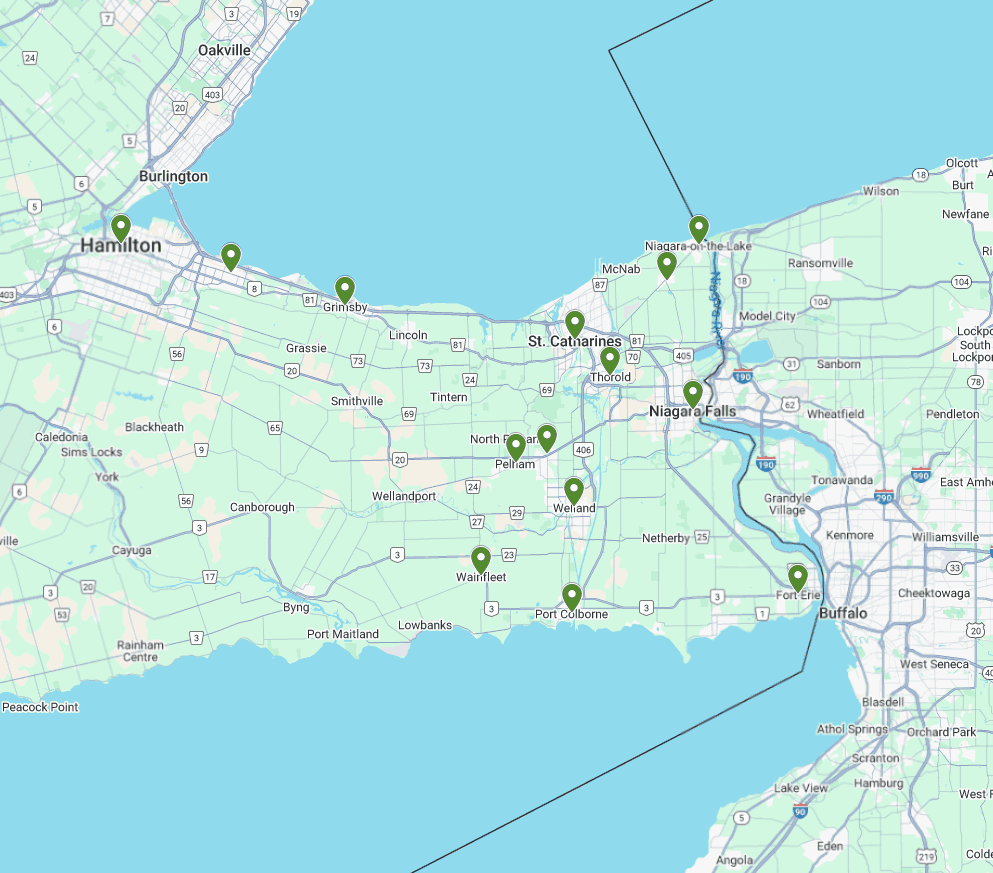
Our service areas encompass a wide range of locations, ensuring that we can meet the needs of our clients wherever they are. From bustling urban centers to serene rural landscapes, we are committed to providing top-notch services tailored to each unique environment.