



It describes when to replace a heating system in St Catharines, ON and how a professional assessment and load calculation guide the right choice between furnaces and boilers. It covers installation steps, removal of old equipment, warranty and financing options, and maintenance practices that maximize efficiency. Readers will learn how modern high-efficiency options reduce energy use, improve comfort, and lower operating costs, with guidance on evaluating brands, permits, and project timelines. This page emphasizes right-sizing, professional installation, and ongoing maintenance.
.jpeg)
Heating Replacement in St Catharines, ON
Replacing a heating system is one of the most important investments you can make in your St Catharines home. Colder months, high humidity in spring and fall, and older housing stock in the Niagara region make reliable, efficient heat essential for comfort, indoor air quality, and long-term energy savings. It describes when to replace your heating system, how a professional assessment and load calculation guide the right choice, the differences between furnace and boiler options, what to expect during installation and removal, and how warranties, financing, and maintenance affect performance and operating costs.
Why replace your heating system now
Common signs your furnace or boiler is due for replacement:
- Frequent breakdowns or repair costs adding up
- Age over 15 to 20 years for furnaces; 15+ years for many boilers
- Rising energy bills despite regular maintenance
- Uneven heating, cold spots, or poor humidity control in your home
- Persistent safety or combustion concerns such as cracked heat exchanger or frequent pilot/ignition problems
- No current efficiency ratings or outdated equipment not compatible with modern controls
In St Catharines, older homes and seasonal temperature swings amplify the impact of an inefficient system. Upgrading reduces cold mornings, improves humidity balance during thaw cycles, and lowers heating bills in our longer heating season.
Common heating replacement scenarios in St Catharines
- Replacing a failed furnace with a high-efficiency modulating furnace
- Converting boiler systems from non-condensing to condensing models for higher efficiency
- Switching from oil furnace to natural gas or heat pump hybrid systems where fuel options permit
- Installing multi-zone systems or variable speed blowers to address uneven heat in renovated or multi-level homes
- Replacing aging systems during renovations to improve resale value and energy performance
Home assessment and load calculations
A proper replacement starts with a home assessment and a detailed load calculation:
- Manual J load calculation estimates your home’s heating needs based on insulation, windows, orientation, square footage, and occupancy
- Ductwork inspection checks for leaks, sizing issues, and airflow restrictions
- Combustion air and venting evaluation ensures safe operation for gas-fired equipment
- Fuel and infrastructure review confirms availability and suitability of natural gas, propane, or electric/heat pump options
Right-sizing is critical. Oversized equipment cycles more frequently, increasing wear and reducing comfort. Undersized equipment will struggle to reach set temperatures in cold snaps common to southern Niagara winters.
Energy-efficient and brand options
Energy performance is expressed by AFUE (Annual Fuel Utilization Efficiency) for furnaces and boilers. Modern high-efficiency condensing furnaces and boilers commonly achieve AFUE ratings over 90 percent.Key technology choices:
- High-efficiency condensing furnaces with sealed combustion and variable-speed blowers
- Modulating and two-stage burners for more consistent temperatures and lower fuel use
- Condensing boilers for hydronic systems offering high efficiencies and better control
- Hybrid solutions combining a heat pump with a gas furnace for year-round efficiency in mixed climates
- Smart thermostats and zoning systems to reduce wasted heat
Reputable brands often recommended across the industry include Goodman, Carrier, Lennox, Trane, Rheem, and Bosch. Brand choice should be matched to product features, local serviceability, parts availability, and warranty terms.
Furnace vs boiler comparison
Furnace (forced air)
- Delivers heat via ducts and registers
- Can integrate with central air conditioning and whole-home filtration
- Faster warm-up times and easier thermostat zoning
- Requires ductwork; duct losses can reduce efficiency
Boiler (hydronic)
- Uses hot water circulated through radiators or in-floor tubing
- Provides radiant, even heat with lower air movement and improved comfort
- Often quieter and better for allergy sufferers due to less air circulation
- Typically higher upfront installation complexity, especially for systems without existing hydronic infrastructure
Choose based on existing distribution (ducts or radiators), comfort preferences, renovation plans, and long-term operating costs.
Installation process and timeline
Typical installation steps:
- Finalize equipment selection after load and site assessment
- Secure any required permits and schedule inspections (local Ontario codes and gas safety requirements may apply)
- Prepare the work area and protect floors and furnishings
- Remove old equipment and disconnect utilities safely
- Install new unit, venting, gas or electrical connections, and any new ducting or piping
- Commissioning: start-up, safety checks, combustion testing, and thermostat programming
- Final inspection and handover with operation and maintenance instructions
Timeline:
- Straight swap of like-for-like furnace: often completed in one work day
- Boiler replacements or conversions and installs requiring new piping or ductwork: commonly 1 to 3 days
- Larger or more complex projects (zoning, structural modifications, or fuel conversions): may extend to several days and include staged inspections
Removal and disposal of old equipment
Old equipment is removed and disposed of safely in compliance with local regulations. Disposal includes proper handling of refrigerants where applicable, draining and recycling oil if present, and recycling metal components. Documentation of disposal and transfer of ownership is provided for record-keeping.
Warranty, financing, and incentives
- Manufacturer warranties vary: common coverage includes 5 to 10 years on major components and longer on heat exchangers depending on the brand and model
- Labor or installation warranties typically range from 1 to multiple years; review what is covered and for how long
- Financing options are commonly available through third-party lenders or in-house plans to spread the cost of replacement over time
- Provincial or federal incentive programs and utility rebates may be available for high-efficiency systems or heat pump conversions; availability and eligibility vary, so factor potential incentives into long-term savings estimates
Expected performance and cost savings
Upgrading to a modern high-efficiency system typically delivers:
- Improved comfort with more even temperatures and better humidity control
- Energy savings often in the range of 10 to 40 percent compared with older units, depending on the age and condition of the prior system and home envelope
- Reduced repair frequency and lower maintenance costs in the years immediately after replacement
- Potential increase in home value and marketability in the St Catharines area where buyers prioritize efficient, reliable systems
Maintenance and long-term care
To preserve efficiency and lifespan:
- Schedule annual professional tune-ups and safety checks
- Replace filters regularly and keep returns and vents clear
- Inspect and seal ductwork if applicable
- Keep outdoor units and boiler rooms clear of debris and maintain proper combustion air
- Consider a maintenance plan that includes priority service and annual performance checks
Replacing your heating system is a decision that affects comfort, safety, and operating costs for years. A careful assessment, right-sized equipment, professional installation, and proactive maintenance are the elements that deliver dependable heat and measurable savings in St Catharines homes.

Customer Testimonials

We had an amazing experience getting our new furnace installed with Niagara Home Heating. The owner was very helpful, their quote was more then competitive and the technician who installed the unit was professional and friendly. I would recommend their services.

Lifesavers!! The AC in our house decided to quit the day we were passing the keys to the new owners!! Instead of making a service call to the house, John coached me through the minor repair over the phone, saving me the money and time waiting for a repair person to come.Much appreciated! Thanks again John
I called John today at 2:pm as my AC was not working and I wasn’t expecting even a call back as I knew with this hot weather we have had he would be swamped with calls. Well he called me back and showed at 8:pm on the same day to fix my AC. That is just incredible service and how much John really cares about his clients. Thank you John !
I have used Niagara Home heating for multiple projects for over 16 years. John and his staff are absolutely the best. I tell all my friends and family about Niagara Home Heating because you won’t get any better service or pricing anywhere in Niagara. He has saved me thousands and thousands of dollars and has never let me down.
I had an issue with my hot water tank and called Niagara Home Heating. Their service was fantastic and reasonably priced—exactly how a business should be run!
Very efficient company. I needed an old solar water heater removed from my roof. They were quick to book an appointment for the next day after I sent photos. They were very knowledgeable of the issue. The 2 guys that came were friendly and competent with the job, including removal of all parts.

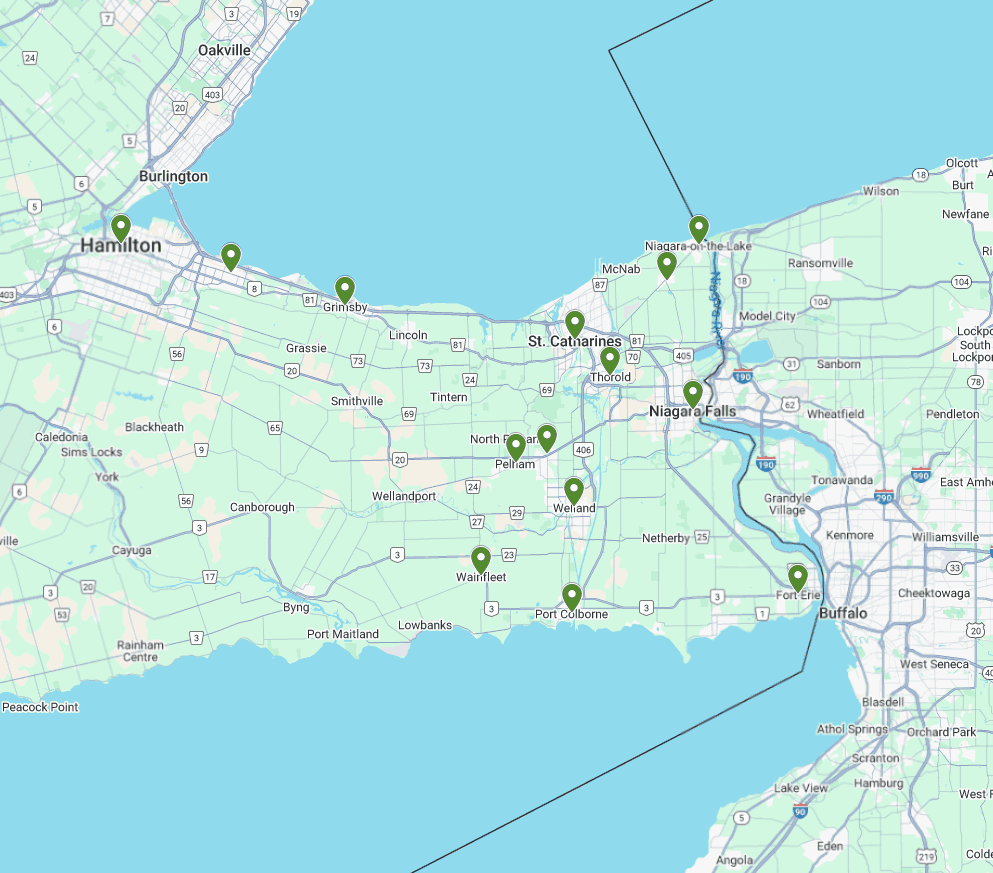
Service Areas
Our service areas encompass a wide range of locations, ensuring that we can meet the needs of our clients wherever they are. From bustling urban centers to serene rural landscapes, we are committed to providing top-notch services tailored to each unique environment.