



Emergency HVAC service in Stoney Creek, ON delivers 24/7 on-site diagnostics, rapid stabilization, and clear guidance for homeowners and businesses facing unexpected heating or cooling outages. The page outlines common failure modes, expert safety checks, and transparent options for temporary fixes versus full replacements. It explains dispatch procedures, on-site testing, and how technicians communicate findings and next steps. By prioritizing safety, reliability, and rapid restoration of comfort, the service helps clients make informed, confident decisions under pressure.
-min.jpeg)
Emergency HVAC Service in Stoney Creek, ON
When your heating or cooling system fails unexpectedly, minutes matter — especially in Stoney Creek where cold winter nights and humid summer days can make an HVAC outage a real health and safety concern. Our Emergency HVAC Service in Stoney Creek, ON explains what to expect from 24/7 emergency response, how technicians diagnose and stabilize systems on-site, temporary safety measures, and when a full replacement becomes the responsible choice. This page is written to help homeowners and businesses understand emergency procedures and make confident decisions under pressure.
Common emergency HVAC issues in Stoney Creek
- Sudden furnace failure in winter: complete loss of heat, frequent lockouts, or systems that run but do not produce heat.
- Complete air conditioner breakdown in summer: compressor failure, locked-up motors, or no cooling during heat waves and high humidity.
- Loss of heat or cooling due to electrical faults: tripped breakers, burned-out capacitors, or control board failures.
- Gas leaks or CO alarm triggers: smell of gas or carbon monoxide alarm activation — these are safety-critical events requiring immediate action.
- Refrigerant loss or major leak: AC/heat pump stops cooling or freezes up, often from compressor or line damage.
- Blower motor failure, broken belts, or airflow blockages causing system shutdowns or overheating.
Rapid response and dispatch procedures for 24/7 emergency HVAC in Stoney Creek
- 24/7 triage: Emergency calls are screened by an experienced dispatcher who collects key details — location, symptoms, system age and model, presence of vulnerable occupants — to prioritize response.
- Priority scheduling: Homes with infants, elderly residents, people with medical needs, or commercial facilities are prioritized for the fastest possible dispatch.
- Technician deployment: A trained technician is routed with the tools and common parts most likely needed for immediate stabilization, and estimated arrival windows are provided during triage.
- Remote guidance: When safe and applicable, dispatch can walk you through immediate safety steps or basic troubleshooting to stabilize the situation while a technician is en route.
On-site diagnostic and immediate repair steps
- Safety first: Technicians begin with a safety assessment — checking for gas odors, CO levels, electrical hazards, and ensuring the area is safe to work in.
- System isolation: If necessary, the unit is powered down and gas valves are secured to prevent danger while diagnostics proceed.
- Rapid diagnostics: The technician will inspect filters, thermostats, breakers, fuel supply, burners/heat exchangers, refrigerant pressures, and electrical components to identify the root cause.
- Immediate repairs and temporary fixes: On many calls the technician can restore safe operation with repairs such as replacing fuses, performing a combustion adjustment, swapping a failed capacitor, or repairing minor refrigerant leaks to get the system running safely that day.
- Documentation: Problems, immediate actions, and recommendations are recorded and explained in plain language so you know what was done and what is still needed.
Temporary safety measures and full replacement options
- Temporary measures:
- If a gas leak or CO alarm is suspected, evacuate the home immediately and follow public safety guidance before returning.
- If heating is out in winter, technicians may recommend safe temporary heating solutions and tips to reduce heat loss (closing off unused rooms, placing towels at door bottoms) while a permanent solution is arranged.
- For cooling outages in summer, isolating affected zones and using fans can reduce heat buildup until repairs are completed.
- Replacement considerations:
- Age and increasing frequency of breakdowns are key factors. Furnaces and air conditioners older than their expected service life in the Stoney Creek climate often justify replacement.
- Replacement options include higher-efficiency furnaces, upgraded air conditioners or heat pumps that handle humid summers better, and modern controls for improved reliability.
- Technicians will present repair-versus-replace analysis, expected life spans, energy savings estimates, and compatibility with existing ductwork to help you decide.
Transparent emergency pricing and warranty information
- Emergency service calls typically include a clear emergency dispatch fee for the after-hours response and an upfront estimate for diagnostic labor once the problem is identified.
- Before performing non-emergency replacements or extensive repairs, you will receive a written estimate outlining parts, labor, and estimated timelines.
- Emergency repairs and replacements come with workmanship guarantees and are covered by applicable manufacturer warranties for installed parts. Warranty terms, transferability, and any extended coverage options are explained clearly at the time of service.
Technician qualifications and safety checks
- Emergency technicians are background-checked and receive ongoing technical and safety training relevant to the Niagara Region and provincial standards.
- Technicians carry industry-standard safety equipment: combustion analyzers, CO detectors, refrigerant gauges, leak detectors, and PPE. They follow established safety protocols for gas handling, electrical isolation, and confined-space work.
- Pre-job safety checks include verifying gas connections, inspecting heat exchangers for cracks, confirming proper venting, and testing for CO after any combustion-related work.
How to act during an HVAC emergency in Stoney Creek
- If you smell gas or a CO alarm is sounding: evacuate immediately, move to fresh air, and follow municipal emergency protocols before arranging HVAC support.
- If there is electrical arcing, flame, or fire risk: call emergency services first and do not attempt to fix the system.
- If there is no immediate danger: turn off the affected unit at the thermostat and switch or breaker, gather model/age information and a description of symptoms (no heat, thermostat blank, loud noises), and use the emergency service contact method in your service agreement or on your HVAC provider’s official website to request urgent help.
- Keep pets and family members clear of the work area until the technician confirms it is safe.
ConclusionPrompt, professional emergency HVAC service in Stoney Creek, ON protects your home and family from cold exposure, heat stress, and safety hazards like gas leaks and CO exposure. Understanding common failure modes, what technicians will do on-site, and the options for temporary stabilization versus full replacement helps you make fast, informed decisions when it matters most. Regular seasonal inspections and maintenance tailored to Stoney Creek’s cold winters and humid summers reduce the chance of emergency breakdowns and extend equipment life.

Customer Testimonials

I have used Niagara Home heating for multiple projects for over 16 years. John and his staff are absolutely the best. I tell all my friends and family about Niagara Home Heating because you won’t get any better service or pricing anywhere in Niagara. He has saved me thousands and thousands of dollars and has never let me down.

Very efficient company. I needed an old solar water heater removed from my roof. They were quick to book an appointment for the next day after I sent photos. They were very knowledgeable of the issue. The 2 guys that came were friendly and competent with the job, including removal of all parts.
Lifesavers!! The AC in our house decided to quit the day we were passing the keys to the new owners!! Instead of making a service call to the house, John coached me through the minor repair over the phone, saving me the money and time waiting for a repair person to come.Much appreciated! Thanks again John
We had an amazing experience getting our new furnace installed with Niagara Home Heating. The owner was very helpful, their quote was more then competitive and the technician who installed the unit was professional and friendly. I would recommend their services.
I called John today at 2:pm as my AC was not working and I wasn’t expecting even a call back as I knew with this hot weather we have had he would be swamped with calls. Well he called me back and showed at 8:pm on the same day to fix my AC. That is just incredible service and how much John really cares about his clients. Thank you John !
I had an issue with my hot water tank and called Niagara Home Heating. Their service was fantastic and reasonably priced—exactly how a business should be run!

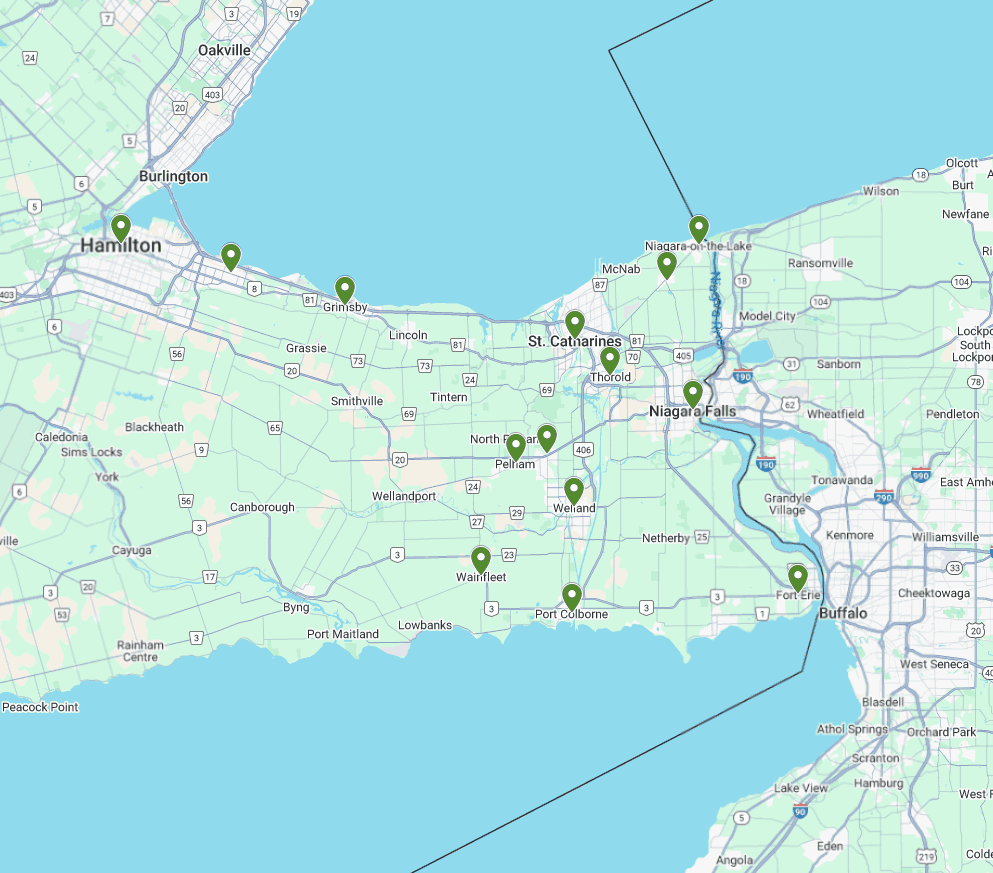
Service Areas
Our service areas encompass a wide range of locations, ensuring that we can meet the needs of our clients wherever they are. From bustling urban centers to serene rural landscapes, we are committed to providing top-notch services tailored to each unique environment.