



This page guides Stoney Creek homeowners through HVAC replacement decisions, detailing when to replace aging furnaces, air conditioners, or heat pumps and which option best suits winter and summer demands. It describes sizing via Manual J, efficiency metrics, and the importance of duct sealing, alongside removal, disposal, and safety considerations. It covers financing, rebates, and warranties, and outlines typical timelines. The result is a clear, practical plan for upgrading to higher efficiency, reliable comfort, and lower operating costs.
.jpeg)
HVAC Replacement in Stoney Creek, ON
Replacing an aging or failing HVAC system is one of the most impactful home upgrades you can make for comfort, safety, and energy savings. In Stoney Creek, ON, where cold, snowy winters and warm, humid summers place heavy seasonal demand on heating and cooling equipment, choosing the right replacement—furnace, air conditioner, or heat pump—matters for year-round performance and long-term operating costs. the signs that indicate replacement, compares common options, covers sizing and efficiency considerations, describes removal and disposal, and summarizes financing, rebates, warranty, timelines, and the key benefits for local homes.
Signs you need HVAC replacement in Stoney Creek
- System age over 12-15 years - Most furnaces and air conditioners lose efficiency and reliability after a decade. Older units typically use less efficient technology and require more frequent repairs.
- Rising energy bills despite normal use - If heating or cooling costs climb without a change in usage, decreased efficiency from worn components or outdated equipment is likely.
- Frequent breakdowns or parts failures - Repeated service calls and escalating repair costs often mean replacement is more cost-effective than continued repairs.
- Uneven temperatures, poor airflow, or humidity problems - These symptoms point to undersized equipment, degraded ductwork, or an aging unit that can no longer meet load requirements.
- Loud, unusual noises or odors - Excessive vibration, banging, or burning smells can indicate serious mechanical problems or safety risks.
- Safety concerns - Cracked heat exchangers, persistent carbon monoxide detector alerts, or gas leaks require immediate evaluation and often replacement.
- Obsolete refrigerant - Systems still using R-22 refrigerant are becoming costly to service and harder to maintain due to phased-out production.
Replacement options: furnace, heat pump, air conditioner
- Furnaces (gas/electric)
- Best for: homes with existing gas infrastructure and a primary need for reliable winter heat.
- Pros: powerful heating capacity in cold snaps, familiar technology for many Stoney Creek households.
- Cons: fuel costs fluctuate; standalone furnaces do not provide cooling.
- Air conditioners (paired with furnace or AC-only systems)
- Best for: homes needing improved summer cooling while keeping existing heating system.
- Pros: modern ACs deliver higher efficiency (SEER ratings) and quieter operation.
- Cons: only addresses cooling; integrated HVAC strategy still needed for heating.
- Heat pumps (including cold-climate and dual-fuel systems)
- Best for: homeowners looking for efficient year-round heating and cooling, and for homes aiming to reduce fossil fuel use.
- Pros: high efficiency for both heating and cooling, potential for lower utility bills, eligible for rebates in Ontario. Cold-climate models perform reliably in Southern Ontario winters; dual-fuel setups combine heat pump efficiency with gas backup for the coldest days.
- Cons: higher upfront cost in some cases, may require electrical capacity upgrades or outdoor unit placement considerations.
Energy efficiency and proper sizing
Energy-efficiency ratings matter: look at AFUE for furnaces, HSPF for heat pumps, and SEER/EER for air conditioners. However, efficiency alone is not enough. Proper sizing using a Manual J load calculation is essential to avoid short-cycling (from oversizing) or insufficient comfort (from undersizing). Older Stoney Creek homes with single-pane windows, uneven insulation, or leaky ducts may need duct sealing, insulation upgrades, or right-sizing adjustments to get the full benefit of new equipment. Upgrading to higher-efficiency equipment typically reduces operating costs and improves comfort, but accurate sizing ensures performance and longevity.
Removal and disposal process
- On-site assessment - Technicians confirm the new equipment fit, review venting, gas, and electrical requirements, and plan safe removal.
- Refrigerant recovery - For systems with refrigerant, certified recovery and reclamation follows environmental regulations to prevent release of ozone-depleting substances.
- Safe disconnect and removal - Qualified technicians disconnect utilities, remove old units, and disassemble bulky components for transport.
- Recycling and disposal - Metals, refrigerants, and non-hazardous materials are recycled when possible; hazardous components are disposed of according to Ontario environmental standards.
- Site cleanup and verification - Work areas are cleaned, new connections checked, and any required permits or inspections are documented.
Financing, rebates, and incentives in Ontario
Many homeowners offset replacement costs through a combination of financing options and energy-efficiency incentives. Typical options include low-interest financing plans, payment programs through HVAC vendors or third parties, and rebate programs administered by federal, provincial, or utility programs. Heat pump installations often qualify for provincial and federal rebates or grants, and sometimes utility incentives for high-efficiency equipment or insulation upgrades. To take advantage, homeowners typically need to provide equipment specifications, installation invoices, and proof of energy assessments. Consider the long-term payback: higher-efficiency systems may have higher upfront cost but shorter payback periods through utility savings and available rebates.
Warranty coverage and expected timelines
- Warranties - New equipment generally includes a factory parts warranty (length varies by equipment type and model) and a separate labor warranty from the installer. Extended warranties and parts protection plans are often available. Ensure warranty registration is completed promptly after installation to protect coverage.
- Timelines - A straightforward like-for-like furnace or AC replacement commonly takes 1 day on-site. Heat pump installations, multi-system retrofits, or projects requiring ductwork, electrical upgrades, or permits typically take 2-5 days. Lead times for equipment vary by season; winter and early summer demand can extend scheduling. Proper planning during shoulder seasons can minimize wait times.
Benefits of upgrading for Stoney Creek homes
- Lower energy bills - Modern high-efficiency systems use less fuel or electricity per unit of comfort.
- Improved comfort - Consistent temperatures, better humidity control, and quieter operation enhance daily living.
- Reduced repair and emergency needs - New systems lower the risk of mid-season failure during extreme weather.
- Environmental improvement - Higher-efficiency systems and heat pumps reduce greenhouse gas emissions and local air pollutants.
- Home value and marketability - Updated HVAC systems are attractive to buyers and can be a selling point in resale.
- Compatibility with smart controls - New equipment often integrates with programmable and smart thermostats for additional savings and convenience.
Maintenance and long-term tips
Protect your investment with annual professional tune-ups, regular filter changes, duct sealing and insulation improvements, and monitoring of thermostat settings. Keep outdoor units clear of debris and ensure proper airflow around condensers and outdoor heat pump units, especially after winter. Consider an energy audit to identify other efficiency upgrades that compound HVAC performance.
Upgrading HVAC in Stoney Creek, ON is both a comfort and financial decision shaped by local climate, home construction, and available incentives. Choosing the right equipment, properly sized and professionally installed with compliant removal and disposal of the old system, delivers reliable comfort, lower operating costs, and improved indoor air quality for years to come.

Customer Testimonials

We had an amazing experience getting our new furnace installed with Niagara Home Heating. The owner was very helpful, their quote was more then competitive and the technician who installed the unit was professional and friendly. I would recommend their services.

I had an issue with my hot water tank and called Niagara Home Heating. Their service was fantastic and reasonably priced—exactly how a business should be run!
Lifesavers!! The AC in our house decided to quit the day we were passing the keys to the new owners!! Instead of making a service call to the house, John coached me through the minor repair over the phone, saving me the money and time waiting for a repair person to come.Much appreciated! Thanks again John
I called John today at 2:pm as my AC was not working and I wasn’t expecting even a call back as I knew with this hot weather we have had he would be swamped with calls. Well he called me back and showed at 8:pm on the same day to fix my AC. That is just incredible service and how much John really cares about his clients. Thank you John !
Very efficient company. I needed an old solar water heater removed from my roof. They were quick to book an appointment for the next day after I sent photos. They were very knowledgeable of the issue. The 2 guys that came were friendly and competent with the job, including removal of all parts.
I have used Niagara Home heating for multiple projects for over 16 years. John and his staff are absolutely the best. I tell all my friends and family about Niagara Home Heating because you won’t get any better service or pricing anywhere in Niagara. He has saved me thousands and thousands of dollars and has never let me down.

Service Areas
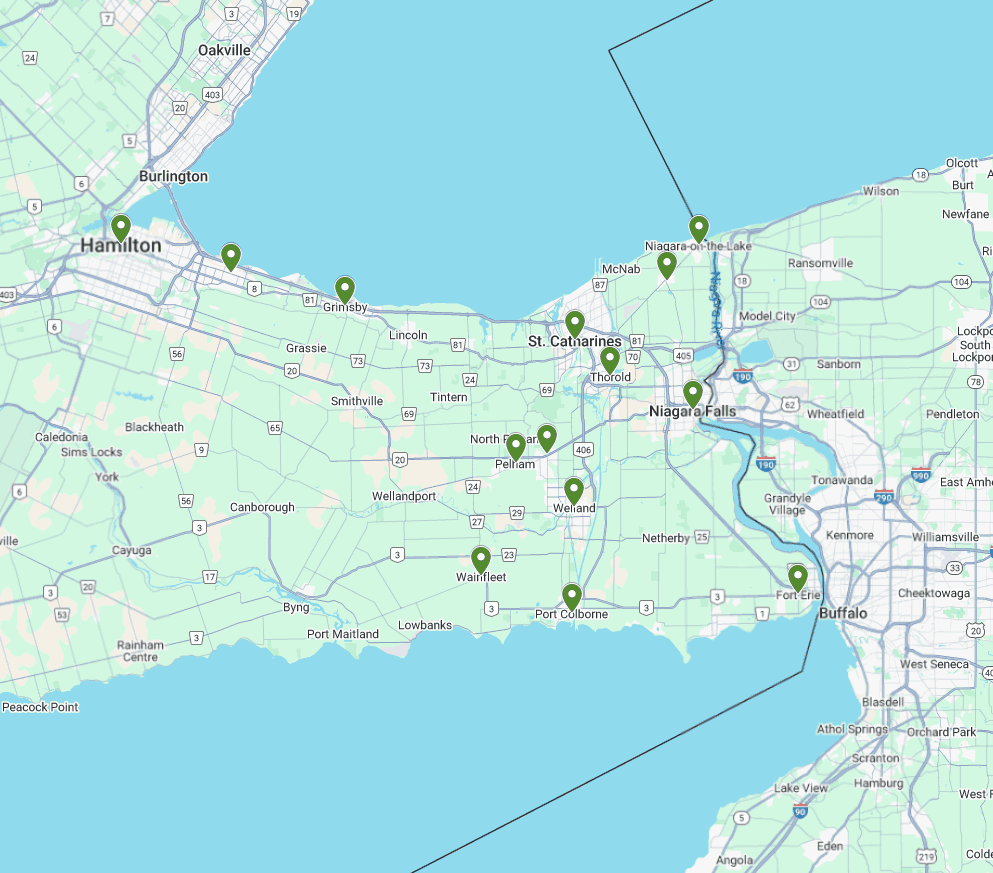
Our service areas encompass a wide range of locations, ensuring that we can meet the needs of our clients wherever they are. From bustling urban centers to serene rural landscapes, we are committed to providing top-notch services tailored to each unique environment.