



It describes professional HVAC installation services for Stoney Creek, ON, detailing a comprehensive, code-compliant process from site assessment and load calculations to commissioning and post-installation support. It covers installation types (furnace, central AC, heat pump, ductless), common pitfalls, and strategies for proper duct sealing, refrigerant handling, and airflow balance. The content emphasizes accurate sizing, energy efficiency, warranty protection, and ongoing maintenance to ensure reliable comfort and durable performance in Southern Ontario's climate. It highlights guidance for homeowners and emphasizes the value of professional installation.
-min.jpeg)
HVAC Installation in Stoney Creek, ON
Installing a new HVAC system is one of the most impactful improvements you can make for comfort, energy bills, and indoor air quality in Stoney Creek, ON. Whether you are replacing a worn-out furnace, adding a high-efficiency air conditioner, or switching to a heat pump, a professional installation process that includes accurate load calculations, code compliance, and careful commissioning ensures the system performs reliably through hot, humid summers and cold, freeze-thaw winters common to the Hamilton-Stoney Creek area.
Why a proper HVAC installation matters in Stoney Creek
- Stoney Creek homes face both high summer humidity and bitter winter cold. A correctly sized system provides consistent temperature control and humidity management.
- Older houses in the area often have legacy ductwork or limited mechanical space. Thoughtful site assessment prevents airflow issues and noisy operation.
- Proper installation maximizes efficiency, which helps offset higher seasonal energy use and protects equipment warranty coverage.
Common HVAC installation types and concerns in Stoney Creek
- Furnace replacement for aging or inefficient natural gas or electric systems.
- Central air conditioner installation paired with updated refrigerant and matched outdoor units.
- Heat pump installation or replacement for heating and cooling with improved seasonal efficiency.
- Ductless mini-split installation in additions, sunrooms, or homes without ductwork.
- Complete system changeouts where both furnace and AC are replaced to ensure matched components.
- Typical local issues to avoid:
- Undersized or oversized equipment leading to short cycling or poor humidity control.
- Unsealed or mismatched ductwork causing pressure imbalance and energy loss.
- Incorrect refrigerant charge or airflow tuning reducing cooling capacity.
- Inadequate condensate handling in humid months causing leaks or mold risk.
The HVAC installation process - step by step
- Site assessment and needs analysis
- Inspect the home layout, insulation levels, existing ductwork, mechanical room access, and ventilation needs.
- Discuss occupant comfort priorities, budget range, and any plans for renovations that may affect the system.
- Load calculations and equipment selection
- Perform Manual J load calculations to determine heating and cooling requirements based on square footage, orientation, window types, insulation, and local climate factors in Stoney Creek.
- Choose equipment with appropriate capacity and efficiency ratings (AFUE, SEER/HSPF) and matched components to ensure balanced performance.
- Consider options for improved indoor air quality such as upgraded filtration, UV lamps, or HRV/ERV ventilation if the home is tight.
- Permits and code compliance
- Verify local permit requirements and follow the Ontario Building Code and applicable safety authority rules for gas, electrical, and refrigerant work.
- Ensure installations comply with manufacturer instructions to maintain warranty coverage.
- Professional installation steps
- Remove old equipment safely, including proper disposal of refrigerants and old components in accordance with regulations.
- Install mechanical components: furnace or air handler, condensing unit or heat pump, and necessary piping and electrical connections.
- Address duct modifications, sealing, and insulation. Balance supply and return paths for uniform airflow.
- Install appropriate condensate drains and traps to prevent backups, especially important during humid Stoney Creek summers.
- Commissioning and system testing
- Evacuate and charge refrigerant to manufacturer specifications, verify electrical connections, and test safety controls.
- Measure airflow, static pressure, supply and return temperatures, and run the system through heating and cooling cycles.
- Calibrate thermostats and control settings for optimal seasonal performance and humidity control.
- Post-installation support and warranty registration
- Register equipment warranties and document service schedules.
- Provide owners with system documentation, recommended maintenance intervals, and explanations of indicator lights and filter sizes.
- Offer follow-up checks to confirm comfort and performance after a few weeks of operation.
Common installation pitfalls and how they are resolved
- Oversizing equipment: Solved by relying on load calculations instead of rule-of-thumb sizing; proper sizing improves humidity control and reduces wear.
- Poor airflow from duct issues: Resolved through duct sealing, adding or resizing returns, and sometimes installing a variable speed blower to match airflow needs.
- Improper refrigerant charge: Corrected by precise charging and superheat/subcooling measurements to restore rated capacity.
- Electrical and gas safety lapses: Avoided by using licensed trades for final connections and adhering to local codes and inspection requirements.
Preparing your Stoney Creek home for installation
- Clear access to the furnace, air handler, and outdoor condensing area. Remove stored items from mechanical rooms and basements.
- Ensure safe paths for installers and protect flooring with drop cloths if needed.
- If ductwork runs through finished spaces, expect some access panels or temporary disruptions; plan accordingly.
- Consider upgrading insulation or sealing windows if the home is older; improved building envelope reduces required system capacity and operating costs.
Benefits of a correctly installed HVAC system
- Consistent comfort across seasons with better humidity control and even temperatures.
- Lower operating costs through higher-efficiency equipment and properly matched components.
- Extended equipment life and fewer repairs when installed and commissioned to manufacturer specifications.
- Improved indoor air quality from proper filtration, ventilation, and reduced dust infiltration due to sealed ductwork.
Maintenance tips to protect your investment
- Replace or clean filters regularly - typically every 1 to 3 months depending on filter type and household factors.
- Schedule annual tune-ups for heating and cooling; seasonal service keeps efficiency high and identifies small issues early.
- Keep outdoor units clear of debris, snow, and vegetation to maintain airflow and prevent condenser damage.
- Program thermostats for sensible setpoints and consider a programmable or smart thermostat to avoid unnecessary runtime.
- Monitor condensate drains and check for unexpected moisture or staining that could indicate a blockage.
A meticulous HVAC installation tailored to Stoney Creek homes combines accurate sizing, code-compliant workmanship, and careful commissioning to deliver reliable comfort, energy savings, and healthier indoor air. Proper planning and post-installation care protect system performance and warranty coverage through the variable Southern Ontario climate.

Customer Testimonials

Lifesavers!! The AC in our house decided to quit the day we were passing the keys to the new owners!! Instead of making a service call to the house, John coached me through the minor repair over the phone, saving me the money and time waiting for a repair person to come.Much appreciated! Thanks again John

We had an amazing experience getting our new furnace installed with Niagara Home Heating. The owner was very helpful, their quote was more then competitive and the technician who installed the unit was professional and friendly. I would recommend their services.
I called John today at 2:pm as my AC was not working and I wasn’t expecting even a call back as I knew with this hot weather we have had he would be swamped with calls. Well he called me back and showed at 8:pm on the same day to fix my AC. That is just incredible service and how much John really cares about his clients. Thank you John !
Very efficient company. I needed an old solar water heater removed from my roof. They were quick to book an appointment for the next day after I sent photos. They were very knowledgeable of the issue. The 2 guys that came were friendly and competent with the job, including removal of all parts.
I have used Niagara Home heating for multiple projects for over 16 years. John and his staff are absolutely the best. I tell all my friends and family about Niagara Home Heating because you won’t get any better service or pricing anywhere in Niagara. He has saved me thousands and thousands of dollars and has never let me down.
I had an issue with my hot water tank and called Niagara Home Heating. Their service was fantastic and reasonably priced—exactly how a business should be run!

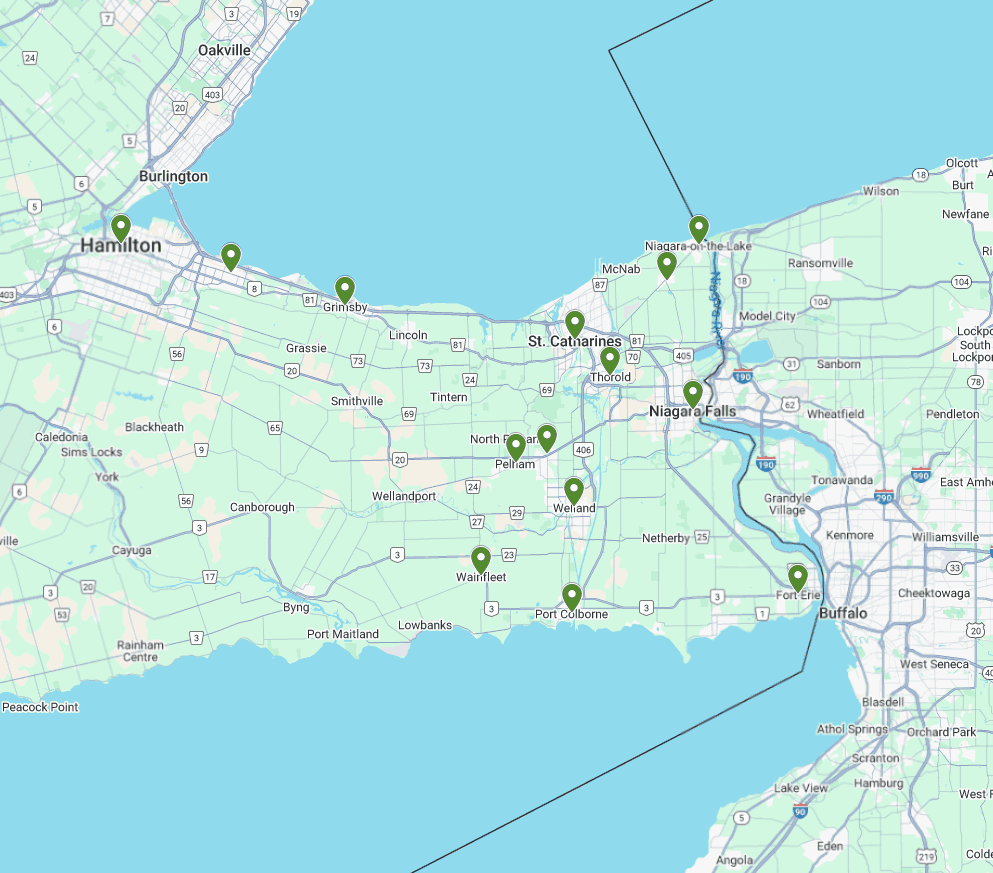
Service Areas
Our service areas encompass a wide range of locations, ensuring that we can meet the needs of our clients wherever they are. From bustling urban centers to serene rural landscapes, we are committed to providing top-notch services tailored to each unique environment.