



HVAC repair in Stoney Creek, ON delivers rapid diagnostics, safe repairs, and lasting comfort for homes and businesses. It describes common failure points, from furnace or heat pump faults to duct leaks, and describes a systematic approach to diagnosing problems, from intake to load analysis. It covers emergency versus scheduled repairs, technician qualifications, transparent pricing, and approval processes, plus practical maintenance tips to reduce future calls. The goal is reliable, long-lasting repairs tailored to Stoney Creek’s climate.
.jpeg)
HVAC Repair in Stoney Creek, ON
When your heating or cooling system fails, you need reliable HVAC repair in Stoney Creek, ON that diagnoses the root cause quickly and restores comfort with durable solutions. Stoney Creek homes and businesses face wide seasonal swings—cold, wet winters and humid summers—so timely repairs prevent damage, reduce energy waste, and keep occupants safe. common fault identification, the diagnostic and repair process for residential and commercial systems, emergency vs scheduled options, technician qualifications, typical parts replacement steps, and how pricing transparency and fast-response service are handled.
Why timely HVAC repair matters in Stoney Creek
- Stoney Creek’s winter temperatures and freeze-thaw cycles increase furnace and boiler stress; delayed repairs can lead to costly secondary damage.
- Humid summer conditions and higher cooling loads make air conditioners and heat pumps susceptible to compressor and refrigerant issues.
- Older homes and mixed-age commercial buildings in the area often have legacy ductwork and equipment that require careful troubleshooting to avoid inefficient fixes.Prompt, accurate HVAC repair restores comfort, prevents indoor air quality problems, and extends system life.
Common HVAC repair issues in Stoney Creek
- Furnace won’t start or cycles on and off frequently (short cycling)
- No cooling, weak airflow, or warm air from the AC
- Heat pump not switching between heat and cool properly
- Pilot light or ignition failures on gas appliances
- Strange noises (clanking, squealing, hissing) indicating mechanical or airflow faults
- Frozen evaporator coils or refrigerant leaks
- Thermostat or control board failures
- Water leaks from condensate lines or water heaters
- Duct leakage causing uneven heating/cooling and higher bills
- Commercial-specific issues: rooftop unit failures, control system faults, and zoning problems
How we diagnose HVAC problems (what to expect)
Effective HVAC repair begins with a systematic diagnostic process:
- Intake and symptoms: Technicians gather details about performance, noises, odors, and timing (e.g., intermittent failures vs constant).
- Visual inspection: Check filters, vents, condensate drains, burners/heat exchangers, outdoor units, and visible wiring for obvious signs.
- Electrical and control checks: Measure voltages, test relays, capacitors, and thermostat signals to isolate electrical faults.
- Refrigerant and pressure testing: For cooling systems, inspect refrigerant levels, check for leaks, and measure pressures and temperatures.
- Combustion and safety testing: Gas furnaces and boilers are tested for proper ignition, flame quality, carbon monoxide risk, and venting.
- Load and airflow analysis: Evaluate ductwork, blower operation, static pressure, and filter status to identify airflow restrictions.
- Report and options: Findings are summarized clearly, the root cause is explained, and repair options are presented (repair vs replace when applicable).
Technicians document issues and prioritize safety concerns before proceeding with repairs.
Typical repair and parts replacement procedures
- Electrical repairs: Replace failed capacitors, contactors, relays, or control boards following manufacturer specs and safety practices.
- Compressor and motor service: Isolate mechanical faults, test windings, and replace motors or compressors only after confirming the root cause (e.g., refrigerant issues, blocked airflow).
- Refrigerant service: Locate and repair leaks, evacuate and recharge the system to the required specification; all refrigerant handling follows environmental regulations.
- Burner, ignition, and heat exchanger work: Clean or replace burners and ignition assemblies; inspect heat exchangers for cracks and advise on next steps if detected.
- Blower and duct repairs: Replace belts, bearings, or blowers; seal or insulate ductwork to restore airflow and efficiency.
- Controls and thermostats: Calibrate or replace thermostats and low-voltage controls; for commercial systems, address building automation interfaces and zoning controls.
- Condensate and drain service: Clear blockages, repair piping, and restore proper drainage to prevent water damage.
Repairs focus on permanent fixes rather than temporary measures; replacement parts meet or exceed original equipment standards.
Emergency vs scheduled repair options
- Emergency HVAC repair: For complete loss of heating in winter, refrigerant or compressor failure during peak cooling, or any situation creating health or safety risks (e.g., suspected carbon monoxide), emergency response prioritizes quick diagnosis and safe temporary measures while arranging permanent repairs.
- Scheduled repair: Non-urgent issues, seasonal tune-ups, and planned replacements are handled on scheduled visits with full diagnostic time and parts ordering as needed.Dispatch protocols aim to balance safety-driven emergencies with scheduled service to minimize downtime across the community.
Technician qualifications and tools used
- Certified technicians with training in gas safety, refrigeration, electrical systems, and modern control platforms
- Regular industry training on manufacturers’ equipment and evolving regulations
- Onboard diagnostic tools: multimeters, combustion analyzers, refrigerant gauges, leak detectors, airflow meters, and infrared cameras
- Proper safety and containment equipment for refrigerant handling and gas workTechnicians follow service checklists, document findings, and explain necessary repairs in plain language.
Pricing transparency and service approval
Transparent service means:
- Clear explanation of the diagnostic findings and the options available
- Written estimates that list required parts, labor, and any warranties on workmanship or parts
- Authorization required before proceeding with any non-emergency repairs
- When emergency measures are used to restore safe operation, a follow-up plan for permanent repair or replacement is presentedThis approach helps homeowners and property managers in Stoney Creek make informed decisions without surprises.
Maintenance tips to reduce repair needs
- Replace or clean filters regularly during high-use seasons
- Keep outdoor units clear of debris, snow, and vegetation to maintain airflow
- Schedule annual heating and cooling inspections to catch small issues early
- Seal and insulate ductwork in basements and attics to prevent energy loss
- Monitor thermostat behavior and unusual sounds so problems are reported early
With proper upkeep tailored to Stoney Creek’s seasonal demands, many repairs can be prevented or caught early, saving energy and reducing emergency calls.
Final note on service for Stoney Creek homes and businesses
HVAC repair in Stoney Creek, ON requires local knowledge of climate impacts, older housing stock, and commercial building needs. A methodical diagnostic approach, qualified technicians, and transparent repair plans protect comfort, safety, and investment in your heating and cooling equipment. Quality repairs focus on identifying root causes, using the right parts and procedures, and offering clear, documented recommendations for both immediate fixes and long-term reliability.

Customer Testimonials

I called John today at 2:pm as my AC was not working and I wasn’t expecting even a call back as I knew with this hot weather we have had he would be swamped with calls. Well he called me back and showed at 8:pm on the same day to fix my AC. That is just incredible service and how much John really cares about his clients. Thank you John !

I had an issue with my hot water tank and called Niagara Home Heating. Their service was fantastic and reasonably priced—exactly how a business should be run!
I have used Niagara Home heating for multiple projects for over 16 years. John and his staff are absolutely the best. I tell all my friends and family about Niagara Home Heating because you won’t get any better service or pricing anywhere in Niagara. He has saved me thousands and thousands of dollars and has never let me down.
Very efficient company. I needed an old solar water heater removed from my roof. They were quick to book an appointment for the next day after I sent photos. They were very knowledgeable of the issue. The 2 guys that came were friendly and competent with the job, including removal of all parts.
Lifesavers!! The AC in our house decided to quit the day we were passing the keys to the new owners!! Instead of making a service call to the house, John coached me through the minor repair over the phone, saving me the money and time waiting for a repair person to come.Much appreciated! Thanks again John
We had an amazing experience getting our new furnace installed with Niagara Home Heating. The owner was very helpful, their quote was more then competitive and the technician who installed the unit was professional and friendly. I would recommend their services.

Service Areas
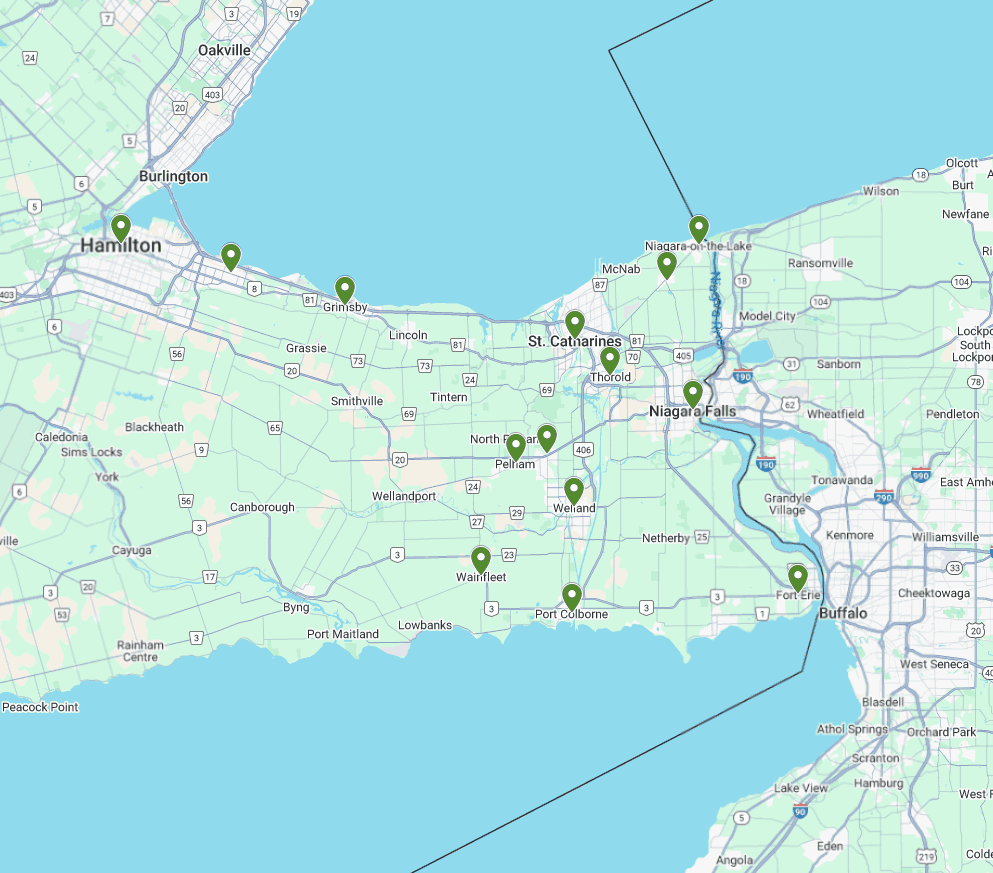
Our service areas encompass a wide range of locations, ensuring that we can meet the needs of our clients wherever they are. From bustling urban centers to serene rural landscapes, we are committed to providing top-notch services tailored to each unique environment.