



Common tankless water heater issues in Niagara On The Lake, from no hot water and erratic temperatures to leaks, error codes, and reduced flow. It describes a systematic technician diagnostic process—visual checks, power and gas verification, error-code review, flow and temperature testing, and component-level testing. It also details typical repairs and parts, expected timelines, warranty considerations, and practical maintenance steps to prevent failures and extend system life in local conditions. This guidance helps homeowners plan repairs with confidence.
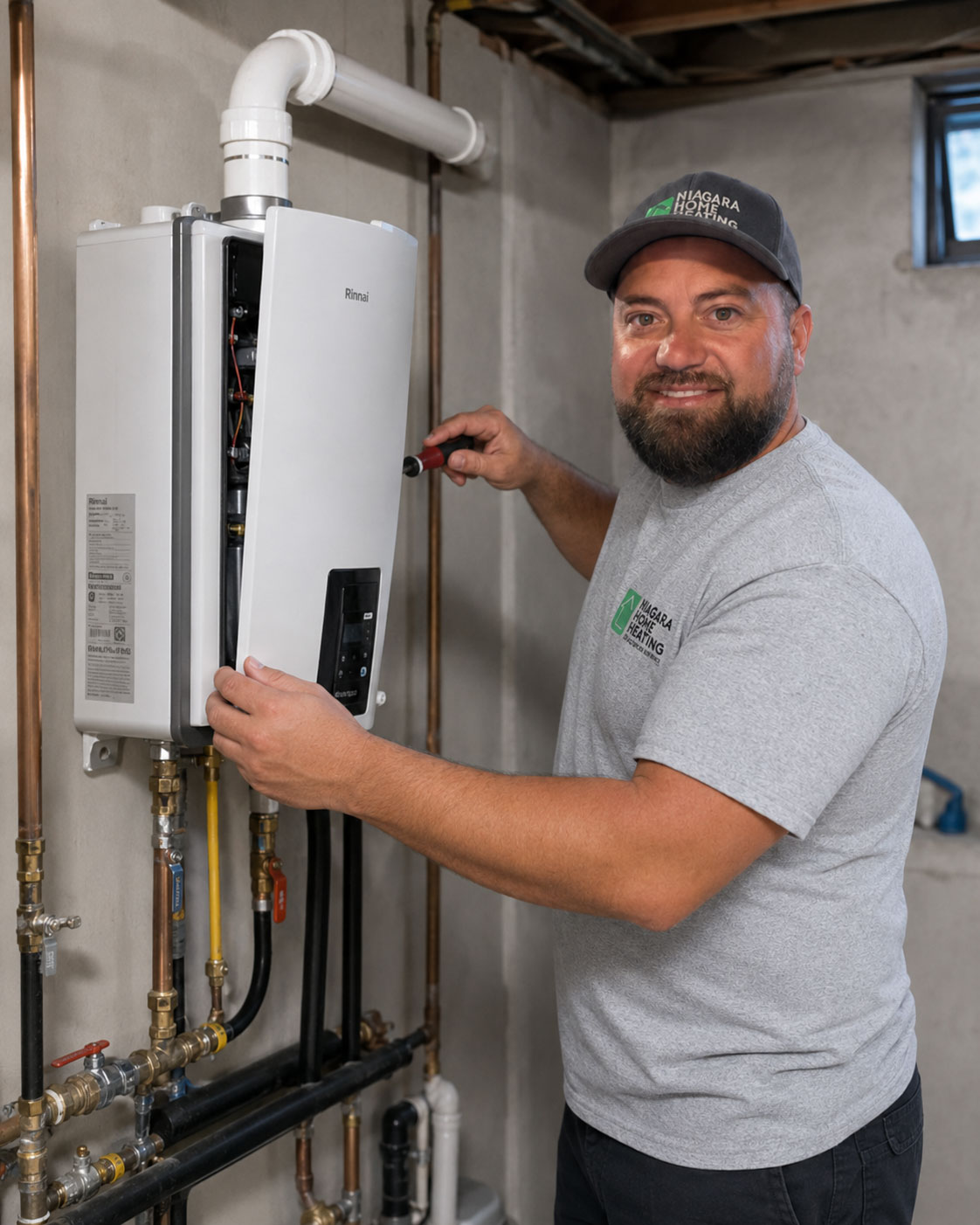
Tankless Water Heater Repair in Niagara On The Lake, ON
Tankless water heaters are a popular, energy-efficient choice for Niagara On The Lake homes, but like any mechanical system they can develop problems that interrupt hot water availability. Whether you have no hot water, erratic temperatures, visible leaks, or persistent error codes, accurate diagnosis and timely repair restore performance and protect the longevity of your system. This page covers the common tankless water heater problems in Niagara On The Lake, how technicians diagnose them, typical repair procedures and parts replaced, realistic timelines, warranty considerations, and maintenance steps to reduce future breakdowns.
Why local conditions matter
Niagara On The Lake experiences cold winters and moderately hard water — both factors that affect tankless units. Outdoor units are vulnerable to freeze-related issues during deep cold snaps, and mineral scale from hard water is a common cause of reduced efficiency and premature component failure. Repair recommendations and maintenance plans for homes in this area typically emphasize freeze protection and scale control.
Common tankless water heater issues in Niagara On The Lake
- No hot water
- Unit won’t ignite or starts then shuts down
- No hot water at any faucet, or hot water cuts out under demand
- Temperature fluctuations or insufficient hot water
- Water temperature swings when multiple fixtures run
- Lukewarm output even with single fixture use
- Error codes and fault lights
- Digital codes indicating ignition failure, sensor errors, low water flow, or overheating
- Leaks and corrosion
- Visible water at plumbing connections, valves, heat exchanger or relief valve
- Reduced flow or intermittent flow
- Flow sensors failing or inlet filters clogged, limiting activation
- Strange noises or odors
- Scale buildup in the heat exchanger causes popping/rumbling; combustion or gas smells indicate safety concern
How a technician diagnoses the problem
Technicians follow a systematic diagnostic process to pinpoint issues without unnecessary parts replacement:
Visual inspection and safety check
- Look for leaks, corrosion, venting problems, and ensure clearances and combustion air are adequate.
Confirm power and gas supply
- Verify electrical connection, breakers, and gas pressure or supply; test ignition circuits.
Read error codes and history
- Use the unit’s diagnostic codes to target likely components (igniter, flow sensor, thermistor).
Flow and temperature testing
- Measure flow rates and water temperatures at the unit and fixtures to detect restrictions or heat exchanger inefficiency.
Check filters, inlet screens and condensate drains
- Clean or replace clogged screens that prevent proper flow and activation.
Scale and combustion inspection
- Inspect heat exchanger and burner for scale, soot, or combustion instability that impairs performance.
Component-level testing
- Test sensors, gas valve, ignition module, pressure switches and PCB functionality with diagnostic tools.
Typical repair procedures and parts commonly replaced
- Cleaning and descaling
- Chemical flush of the heat exchanger to remove scale (especially important in hard water areas like Niagara On The Lake).
- Sensor and control replacements
- Thermistors, flow sensors, and pressure switches frequently fail and are replaced.
- Ignition and gas components
- Igniters, gas valves, and related wiring are commonly serviced for ignition failure issues.
- Pumps and valves
- Circulation pumps, mixing valves and solenoids may be repaired or replaced to restore flow and temperature stability.
- Heat exchanger repair or replacement
- Small leaks or heavy scaling can necessitate heat exchanger replacement; severe damage may require full unit replacement.
- Seals, gaskets and relief valves
- Replace degraded seals and pressure relief devices to stop leaks and ensure safe operation.
- Control board (PCB) replacement
- Faulty electronics are addressed when diagnostics indicate control failures.
Expected timelines
- On-site diagnostics: typically 30 to 90 minutes depending on complexity and accessibility.
- Minor repairs (sensor, filter, cleaning): often completed same day.
- Component replacement (igniter, gas valve, pump): same-day to next-day depending on parts availability.
- Major repairs (heat exchanger replacement or extensive rework): may require ordering parts and take several days up to a week.
- Full unit replacement: scheduling and removal/installation time varies; expect coordination over a few days.
Timelines are influenced by part availability, model-specific components, and seasonal demand. In winter months when units are in heavy use or during tourist season when local service calls increase, lead times can extend.
Warranty and service guarantees (what to check)
- Manufacturer warranty
- Many tankless units carry a limited manufacturer warranty on heat exchangers and parts; confirm remaining coverage before repair decisions.
- Labor or service guarantees
- Ask for written descriptions of the labor warranty period and what is covered after repair work is completed.
- Parts warranties
- Replacement parts often have separate warranties from the manufacturer or distributor; keep documentation for future claims.
When evaluating repair options, match the remaining warranty against repair cost and long-term reliability to determine whether repair or replacement best protects your investment.
Maintenance tips to prevent future breakdowns
- Annual descaling/flush
- In Niagara On The Lake’s hard water conditions, schedule a chemical flush at least once per year; more frequent flushing may be needed for very hard water or heavy use.
- Install a water softener or scale inhibitor
- Whole-home softening or point-of-use scale management reduces scale formation in the heat exchanger.
- Clean inlet filters and check flow sensors
- Inspect screens and filters regularly to ensure adequate flow and activation.
- Protect outdoor units from freezing
- Confirm freeze protection features and maintain proper insulation, especially before winter.
- Maintain clear venting and combustion air paths
- Keep intake and exhaust free of debris, nests or ice to prevent combustion issues and error codes.
- Monitor error codes and intermittent symptoms
- Address small issues early—temperature drift or occasional shutdowns often precede more serious failures.

Customer Testimonials

I called John today at 2:pm as my AC was not working and I wasn’t expecting even a call back as I knew with this hot weather we have had he would be swamped with calls. Well he called me back and showed at 8:pm on the same day to fix my AC. That is just incredible service and how much John really cares about his clients. Thank you John !

We had an amazing experience getting our new furnace installed with Niagara Home Heating. The owner was very helpful, their quote was more then competitive and the technician who installed the unit was professional and friendly. I would recommend their services.
I had an issue with my hot water tank and called Niagara Home Heating. Their service was fantastic and reasonably priced—exactly how a business should be run!
I have used Niagara Home heating for multiple projects for over 16 years. John and his staff are absolutely the best. I tell all my friends and family about Niagara Home Heating because you won’t get any better service or pricing anywhere in Niagara. He has saved me thousands and thousands of dollars and has never let me down.
Lifesavers!! The AC in our house decided to quit the day we were passing the keys to the new owners!! Instead of making a service call to the house, John coached me through the minor repair over the phone, saving me the money and time waiting for a repair person to come.Much appreciated! Thanks again John
Very efficient company. I needed an old solar water heater removed from my roof. They were quick to book an appointment for the next day after I sent photos. They were very knowledgeable of the issue. The 2 guys that came were friendly and competent with the job, including removal of all parts.

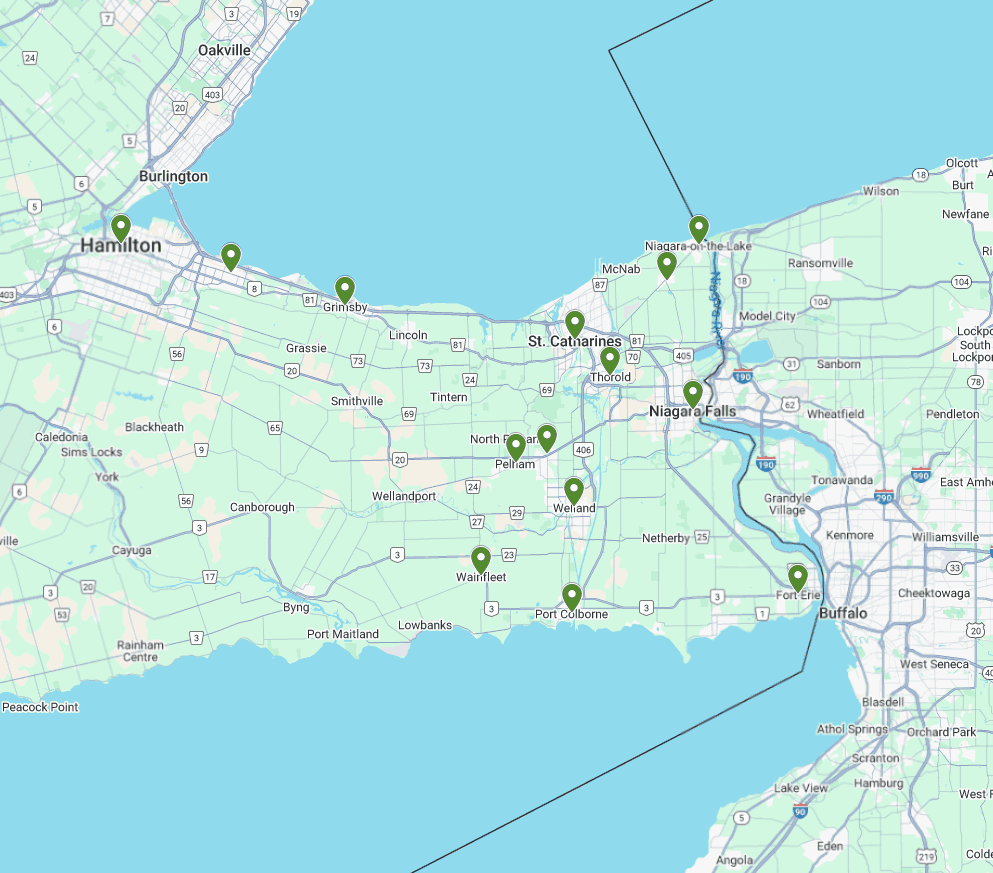
Service Areas
Our service areas encompass a wide range of locations, ensuring that we can meet the needs of our clients wherever they are. From bustling urban centers to serene rural landscapes, we are committed to providing top-notch services tailored to each unique environment.