



Tankless water heater replacement in NOTL provides a practical upgrade for reliability, efficiency, and comfort in local homes. The guide signs that indicate replacement, compares fuel choices and installation constraints, and details the sizing assessment, removal, and safe swap workflow. It covers warranties, maintenance expectations, and financing options, along with realistic timelines and post-install performance. Emphasis is placed on correct venting, water quality management, and thoughtful planning to ensure a long-lasting, high-efficiency hot water system for Niagara On The Lake residences.
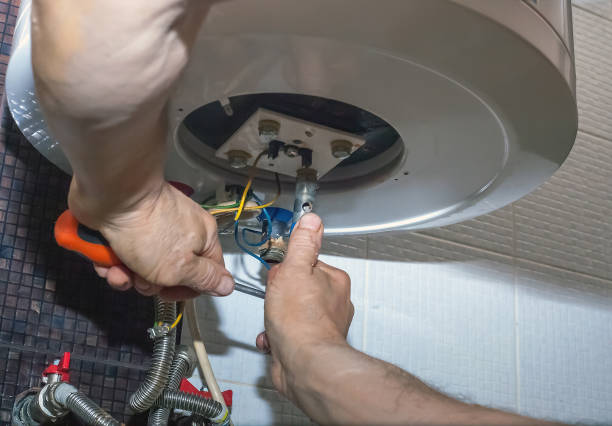
Tankless Water Heater Replacement in Niagara On The Lake, ON
Replacing a failing tankless water heater is a practical efficiency and comfort upgrade for Niagara On The Lake homes. Cold winters, seasonal tourism properties, and older plumbing in the region all affect how a tankless system performs. This page explains the telltale signs a tankless heater needs replacement, compares replacement options and efficiency gains, describes how we assess sizing and complete the swap (plumbing, fuel/electrical, venting and disposal), covers warranty and financing considerations, and sets realistic timelines and before-and-after performance expectations tailored to NOTL homeowners.
Signs your tankless unit needs replacement
Recognizing when a unit should be replaced rather than repaired saves money and downtime. Common replacement indicators include:
- Frequent breakdowns or lockouts: recurring error codes, ignition failures, or shutdowns that return after repairs.
- Reduced hot water flow or inconsistent temperature: inability to maintain set temperature when multiple fixtures run, especially in winter.
- Scale-related performance loss: hard water in the Niagara region accelerates mineral buildup; persistent scaling that resists descaling indicates advanced wear.
- Repeated electronic or control failures: control boards and sensors that fail repeatedly suggest aging internals.
- Age and warranty expiration: most tankless units approach end of life after 10–15 years; older units are less efficient and more prone to costly failures.
- Fuel or venting limitations: if your home’s gas service, venting route, or electrical capacity can’t support modern high-efficiency units without expensive retrofit, replacement planning is essential.
Replacement options and energy-efficiency benefits
When replacing a tankless water heater you’ll choose based on fuel type, efficiency class, and installation constraints.
Key options:
- Condensing vs non-condensing gas units: Condensing models capture extra heat from flue gases and can deliver higher annual efficiencies, particularly helpful with Niagara’s cold inlet water in winter.
- Natural gas vs propane vs electric: Natural gas is common in the region; electric units are simpler to vent but may require significant electrical capacity. Propane is an option for rural properties.
- Outdoor vs indoor models: Outdoor units simplify venting but need freeze protection; indoor units use direct-venting or power-vent systems.
- High-flow models and multi-unit setups: For large homes or simultaneous demand (two showers + dishwasher), either a higher GPM unit or multiple units sized in parallel is recommended.
Efficiency benefits you can expect:
- Tankless systems eliminate standby losses and typically deliver significantly better energy use than older tank systems. Modern condensing tankless models can offer substantial operating savings and faster recovery in cold months.
- Beyond energy savings, benefits include continuous hot water, smaller footprint, and reduced risk of catastrophic tank failure or leaks that can damage basements and finished spaces common in older NOTL homes.
Assessment and unit sizing (what we check)
A proper assessment ensures the replacement performs as expected in NOTL’s climate and plumbing layouts.
- Flow rate needs: We measure likely simultaneous demand. Typical benchmarks: single shower 2.5–3.0 GPM (9–11 L/min); bathtub or high-flow shower can approach 4–5 GPM (15–19 L/min). Kitchens and appliances add to the total.
- Required temperature rise: Winter incoming ground/well water in the Niagara region can be low. We calculate temperature rise required to reach your desired hot water temperature and select a unit with sufficient output at that rise.
- Fuel and venting evaluation: Confirm gas line size and pressure, or electrical service capacity, and identify vent routes. Older chimneys, tight spaces, or long vent runs impact unit selection.
- Household patterns: Vacation home usage, rental turnover, or high guest occupancy in NOTL are factored into sizing decisions so you don’t run out of hot water during peak demand.
The removal and replacement workflow
A typical replacement follows a defined workflow to ensure safety, code compliance and minimal disruption:
- Site inspection and permit check: Review space, venting options, and make sure required municipal permits are identified.
- System shutdown and isolation: Turn off fuel, power and water to the existing unit and secure the area.
- Safe removal and disposal: Disconnect plumbing, gas or electrical feeds, remove old unit and responsibly dispose of or recycle it per local regulations.
- Plumbing and gas/electrical modifications: Upgrade gas lines or electrical circuits as required, install pressure regulators or isolation valves, and ensure proper water quality measures are addressed.
- Venting installation or modification: Install concentric, PVC or stainless steel venting appropriate to the new unit. Condensing units often require PVC for cooler exhaust temperatures.
- Commissioning and testing: Leak tests, combustion checks (for gas), electrical testing, and full system flush to remove installation debris. We verify temperature stability under various loads.
- Customer orientation and documentation: Provide operation basics, maintenance needs, and warranty paperwork.
Warranty and financing
- Warranty structure: New tankless units commonly include manufacturer warranties on heat exchangers and parts; labour warranties differ by installer. Confirm the length and coverage of both manufacturer and installer labour warranties.
- Maintenance requirements: Many warranties require annual descaling or maintenance; keeping records preserves coverage.
- Financing and incentives: Replacement projects can be financed through local financing programs or payment plans. There may also be provincial or utility incentives for high-efficiency equipment—ask about locally available assistance when planning a replacement.
Timeline and performance expectations
- Typical timelines: A straight swap (same location, existing compatible venting and fuel) can often be completed in a single day (4–8 hours). More involved projects—new vent runs, gas line upgrades, or moving the unit—can extend to 1–3 days plus any required permit turnaround.
- Performance after replacement: Expect immediate improvements: stable water temperatures, faster hot water delivery to fixtures, and smoother performance with simultaneous demand if the unit is sized correctly. Condensing units can noticeably reduce energy use for water heating, particularly through cold months.
- Longevity and maintenance: With proper water quality management (scale control and annual descaling) and routine checks, modern tankless units can provide long service life. In hard-water areas near the Niagara escarpment, proactive scale control is especially important for longevity.
Practical maintenance tips for NOTL homes
- Install a sediment filter and consider a water softener or scale-reduction device for homes with hard water to protect the heat exchanger.
- Schedule annual service including a flush and scale inspection before peak winter use.
- Insulate hot water lines and consider freeze protection measures for exterior units or rarely used properties.
Replacing a tankless water heater is a technical decision with clear comfort and efficiency benefits when planned and executed with local conditions in mind. Proper sizing, venting, and water-quality management make the difference between a short-term fix and a long-term, reliable hot water solution for your Niagara On The Lake home.

Customer Testimonials

I have used Niagara Home heating for multiple projects for over 16 years. John and his staff are absolutely the best. I tell all my friends and family about Niagara Home Heating because you won’t get any better service or pricing anywhere in Niagara. He has saved me thousands and thousands of dollars and has never let me down.

I called John today at 2:pm as my AC was not working and I wasn’t expecting even a call back as I knew with this hot weather we have had he would be swamped with calls. Well he called me back and showed at 8:pm on the same day to fix my AC. That is just incredible service and how much John really cares about his clients. Thank you John !
I had an issue with my hot water tank and called Niagara Home Heating. Their service was fantastic and reasonably priced—exactly how a business should be run!
Lifesavers!! The AC in our house decided to quit the day we were passing the keys to the new owners!! Instead of making a service call to the house, John coached me through the minor repair over the phone, saving me the money and time waiting for a repair person to come.Much appreciated! Thanks again John
We had an amazing experience getting our new furnace installed with Niagara Home Heating. The owner was very helpful, their quote was more then competitive and the technician who installed the unit was professional and friendly. I would recommend their services.
Very efficient company. I needed an old solar water heater removed from my roof. They were quick to book an appointment for the next day after I sent photos. They were very knowledgeable of the issue. The 2 guys that came were friendly and competent with the job, including removal of all parts.

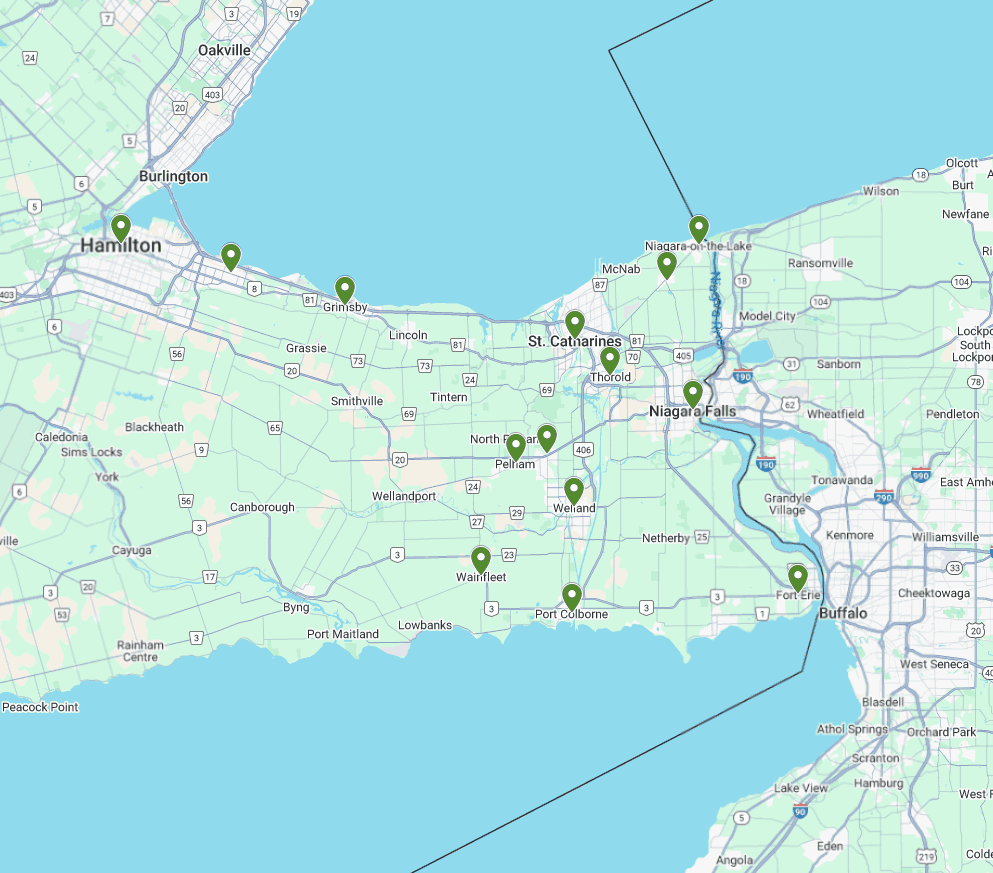
Service Areas
Our service areas encompass a wide range of locations, ensuring that we can meet the needs of our clients wherever they are. From bustling urban centers to serene rural landscapes, we are committed to providing top-notch services tailored to each unique environment.