



Water Heater Replacement in Niagara-on-the-Lake, ON explains when replacement is preferable to repair and how to choose a new unit, tank, tankless, or heat pump, based on fuel, space, and climate. The guide covers removal, disposal, permits, rebates, financing, projected timelines and installed costs, warranty considerations, and the tangible benefits of upgrading to higher efficiency. It also offers maintenance tips to protect your investment and notes local factors like water hardness and seasonal demand influencing decisions. Consider this when planning.
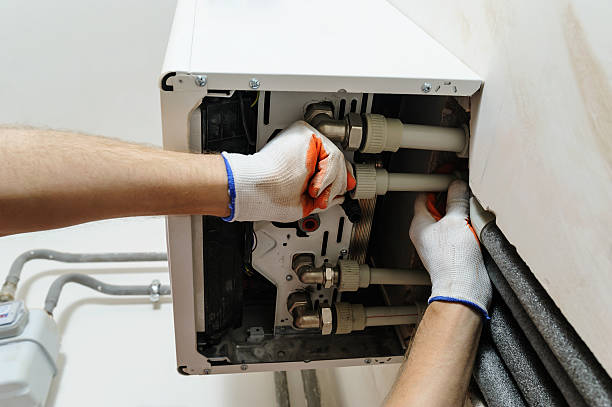
Water Heater Replacement in Niagara On The Lake, ON
When to replace versus repair your water heater is one of the most common decisions homeowners face. In Niagara On The Lake homes, seasonal visitors, winery cleaning needs, and cold winters mean reliable hot water is essential. This page explains when replacement is recommended, how to choose the right new unit (tank, tankless or heat pump), what to expect during removal and installation, available rebates and financing options, estimated timelines and costs, warranty considerations, and the real benefits of upgrading to a more efficient system.
When replacement is the better option (vs repair)
Consider replacement if any of the following apply:
- Your water heater is at or past typical service life (tank-type: 8–12 years; tankless: often 10+ years).
- You’re seeing rust on the tank, persistent leaks, or pooling water — signs of tank corrosion.
- Repairs are frequent or a single repair approaches 30–50% of the cost of a new unit.
- Hot water capacity or recovery time no longer meets household needs (longer showers, more occupants, or added appliances).
- Energy bills are rising without other causes — older units lose efficiency with age and scale buildup.
- You plan to switch fuel types (electric to gas or heat pump) or want a more energy-efficient option to reduce operating costs.
Common water heater problems in Niagara On The Lake homes
- Mineral scale buildup from hard water, reducing efficiency and lifespan.
- Sediment accumulation causing noise, reduced capacity and overheating.
- Failed anode rods and internal corrosion.
- Venting issues on older gas units causing safety and efficiency concerns.
- Under-sized systems for larger families or guest properties common in the area.
Choosing the right replacement: tank vs tankless vs heat pump
Key factors to evaluate:
- Fuel type available (natural gas, propane, electric). Many Niagara homes are gas-ready; some cottages or converted spaces rely on electric.
- Household hot water demand: number of simultaneous fixtures, daily usage, and peak flow.
- Space and venting constraints: tankless and condensing units need proper venting and sometimes more ventilation clearance.
- Local climate: Niagara On The Lake has cold winters but generally moderate year-round temperatures; heat pump water heaters work best in conditioned spaces with enough ambient heat.
- Water hardness: tankless units can lose performance from scale; a water softener or scale-management device may be needed.
Quick comparisons:
- Tank (storage) heaters: lower upfront cost, simple install, reliable for high-peak use but have standby heat loss and shorter lifespans. Choose larger capacity (e.g., ~135–270 L) for families or rental units.
- Tankless (on-demand): higher upfront cost, compact, near-elimination of standby losses, longer life expectancy, ideal for homes focused on efficiency and space savings. Sizing is based on required flow rate (L/min) and temperature rise.
- Hybrid/Heat pump water heaters: among the most energy-efficient for electric homes. They extract ambient heat to warm water, offering big operating savings where basement or mechanical rooms provide sufficient warm air.
Capacity, efficiency and model comparisons
- Tank sizes: rule of thumb — 1–2 people: ~135 L; 3–4 people: ~190–270 L; larger households or frequent guests require larger tanks or multiple solutions.
- Tankless sizing: match the simultaneous flow rate (showers, dishwasher) and temperature rise; typical whole-house units deliver 10–20 L/min depending on model and inlet temperature.
- Efficiency ratings: look for high Uniform Energy Factor (UEF) for tanks and condensing or high AFUE-style ratings for gas tankless. Heat pump units show COP (coefficient of performance) and can be 2–3x more efficient than standard electric tanks.
- Brands and types commonly chosen by Ontario homeowners: Rinnai, Navien and Noritz (tankless/condensing), Rheem, A.O. Smith, Bradford White (tanks and hybrids), Bosch and Stiebel Eltron (electric and heat-pump models). Condensing tankless models offer the best gas efficiency but require condensate drainage and proper venting.
Removal, disposal and code considerations
- A standard replacement includes draining and disconnecting the old unit, safe removal and recycling or disposal following municipal guidelines.
- If converting fuel type or changing venting, additional work and permits may be required and utility safety checks could apply.
- Proper disposal usually involves recycling metal components and handling residual elements responsibly per Niagara Region and Ontario regulations.
Financing, rebates and incentives
- Energy-efficient upgrades often qualify for a mix of incentives: federal and provincial energy-efficiency programs, local utility rebates, manufacturer offers, and seasonal promotions. In Canada, larger retrofit programs may provide grants or rebates for qualifying high-efficiency systems.
- Many homeowners use low-interest financing or monthly payment plans for larger upfront investments such as tankless or hybrid heat pump systems. Eligibility and terms vary; always verify current programs available through provincial, federal or local utility channels.
Timelines and estimated costs
- Typical timeline: a like-for-like tank swap can often be completed in half a day to a full day. More complex upgrades (switching fuel types, adding venting or electrical upgrades) can take 1–3 days and may require inspections.
- Cost ranges (installed, ballpark estimates for Niagara Region):
- Standard tank replacement: approximately CAD 900 to 2,500 depending on capacity and fuel.
- Tankless whole-house systems: approximately CAD 2,000 to 6,000 installed depending on model, venting and gas line work.
- Hybrid/heat pump water heaters: approximately CAD 2,500 to 5,500 installed.
Final cost depends on permits, venting changes, gas line or electrical upgrades, water treatment needs, and removal complexity.
Warranty coverage and what to check
- Tank units typically carry manufacturer warranties ranging from 6 to 12 years for the tank; parts warranties may differ.
- Tankless units often offer longer heat exchanger warranties (10–15 years) but limited parts coverage.
- Labor warranties for installation vary; confirm what the installer covers and whether registering the product extends manufacturer coverage. Keep receipts and warranty documents in case of future claims.
Benefits of timely replacement
- Improved reliability and fewer emergency repairs — important for homes used seasonally or for hospitality purposes.
- Lower operating costs and reduced greenhouse gas emissions with high-efficiency or heat-pump systems.
- Increased home comfort and consistent hot water delivery for family, guests and local businesses (bed and breakfasts, wineries).
- Potential property value improvement and compliance with evolving energy-efficiency standards.
Maintenance to protect your investment
- Flush tanks annually (or more often with hard water) to remove sediment.
- Replace the anode rod as recommended to slow corrosion.
- Have tankless units descaled periodically if your water is hard.
- Schedule annual inspections for gas lines, venting and general operation to preserve warranty and efficiency.
Choosing the right water heater for your Niagara On The Lake home comes down to matching capacity, fuel, efficiency and local conditions like water hardness and seasonal demands. Thoughtful replacement planning leads to more reliable hot water, lower operating costs, and a system sized to your lifestyle and local climate conditions.

Customer Testimonials

Lifesavers!! The AC in our house decided to quit the day we were passing the keys to the new owners!! Instead of making a service call to the house, John coached me through the minor repair over the phone, saving me the money and time waiting for a repair person to come.Much appreciated! Thanks again John

I have used Niagara Home heating for multiple projects for over 16 years. John and his staff are absolutely the best. I tell all my friends and family about Niagara Home Heating because you won’t get any better service or pricing anywhere in Niagara. He has saved me thousands and thousands of dollars and has never let me down.
Very efficient company. I needed an old solar water heater removed from my roof. They were quick to book an appointment for the next day after I sent photos. They were very knowledgeable of the issue. The 2 guys that came were friendly and competent with the job, including removal of all parts.
I called John today at 2:pm as my AC was not working and I wasn’t expecting even a call back as I knew with this hot weather we have had he would be swamped with calls. Well he called me back and showed at 8:pm on the same day to fix my AC. That is just incredible service and how much John really cares about his clients. Thank you John !
I had an issue with my hot water tank and called Niagara Home Heating. Their service was fantastic and reasonably priced—exactly how a business should be run!
We had an amazing experience getting our new furnace installed with Niagara Home Heating. The owner was very helpful, their quote was more then competitive and the technician who installed the unit was professional and friendly. I would recommend their services.

Service Areas
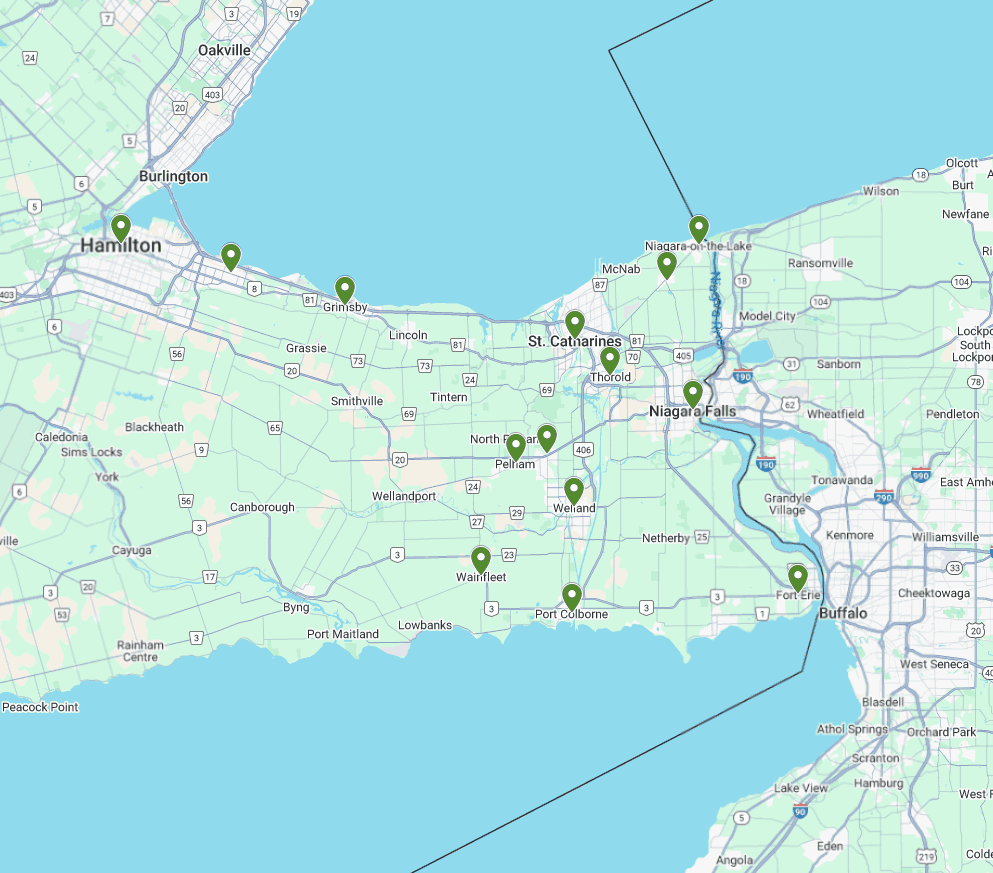
Our service areas encompass a wide range of locations, ensuring that we can meet the needs of our clients wherever they are. From bustling urban centers to serene rural landscapes, we are committed to providing top-notch services tailored to each unique environment.