



ater heater installation services in Niagara-on-the-Lake, ON, detailing tank and tankless options, local considerations, and the full installation process. It covers pre-install sizing, space and venting needs, and water quality, with guidance on site preparation, fuel and electrical requirements, and code-compliant permitting. Step-by-step installation procedures for both tank and tankless systems are provided, followed by testing, commissioning, maintenance recommendations, rental and short-term options, warranties, and what to expect when scheduling service in the area.
.jpeg)
Water Heater Installation in Niagara On The Lake, ON
Replacing or installing a water heater is a major home decision that affects comfort, energy bills, and long-term reliability. In Niagara On The Lake, ON, where cold winters, heritage homes, and limestone-rich groundwater are common, selecting the right water heater and having it installed correctly matters more than ever. This page explains the full water heater installation process for both tank and tankless systems, common local issues, code and permitting considerations, testing and maintenance, short-term hot water options, and what to expect when scheduling an installation in Niagara On The Lake.
Why the right installation matters in Niagara On The Lake
Niagara On The Lake experiences freezing winters and warm summers, which increases seasonal hot water demand. Many homes in the area are older with compact utility spaces, unique venting needs, or limited exterior access. Local groundwater minerals can accelerate scale buildup in traditional tanks and tankless heat exchangers. Proper sizing, placement, and water treatment considerations during installation will reduce energy waste, extend equipment life, and keep your household comfortable year-round.
Common water heater issues in Niagara On The Lake homes
- Sediment and scale buildup from hard water reducing tank capacity and heat transfer
- Insufficient hot water for larger families or peak-season guests
- Aging tanks that leak or show corrosion around fittings
- Inadequate venting in older homes causing safety or efficiency problems
- Space constraints that make standard tank replacements challenging
- High energy bills due to undersized or inefficient systems
Types of installations we cover
- Standard storage tank water heater installation (gas and electric)
- Tankless (on-demand) water heater installation for high-efficiency and space-saving needs
- Indirect or boiler-tied hot water systems in homes with hydronic heating
- Conversions between fuel types (electric to gas or vice versa) where feasible
- Replacement of same-location systems and re-locations to optimize space or venting
Pre-install assessment and correct sizing
A dependable installation starts with a thorough pre-install assessment:
- Survey of existing plumbing, venting, fuel supply (natural gas or propane), and electrical capacity
- Measurement of available installation space and clearance requirements
- Evaluation of household hot water demand (number of bathrooms, appliances, occupancy, and peak loads)
- Water quality check for hardness and sediment to determine whether a water softener or filtration is recommended
- Recommendation of appropriate capacity for tanks (gallons) or flow rate for tankless units (litres per minute)
Sizing a unit correctly prevents short cycling, insufficient supply, or unnecessary energy costs. In older Niagara On The Lake homes, compact or non-standard utility rooms often influence whether a tankless or compact high-efficiency tank is the best choice.
Site preparation and logistics
Before installation day, the site should be prepared:
- Clear the work area and provide safe access to the unit location
- Ensure fuel and electrical shutoffs are accessible and labeled
- Confirm venting path or exterior access for exhaust if required
- Consider protective floor coverings in finished spaces to prevent damage
For outdoor installations or conversions, weatherproofing, freeze protection, and secure mounting are planned in advance to suit local climate conditions.
Professional installation steps - tank systems
- Shut off fuel and electricity, drain and disconnect the old unit safely
- Remove the old tank and inspect the drain pan, piping, and venting
- Position the new tank and connect supply and return lines using code-compliant fittings
- Install proper venting for gas units or connect electrical properly for electric units
- Fill the tank, purge air from the system, and confirm water-tight connections
- Ignite and set controls for gas units or program electric thermostats, then verify temperature settings
- Final inspection for leaks, pressure relief valve function, and safe vent operation
Professional installation steps - tankless systems
- Verify incoming gas line capacity and upgrade if necessary
- Install proper dedicated venting (direct vent or power vent) with appropriate clearances
- Mount the unit on structural backing and connect cold and hot water lines with isolation valves
- Install condensate and pressure relief drainage as required
- Program flow and temperature controls, and test activation across multiple fixtures
- Flush the heat exchanger and install a water treatment plan if hard water is present
Code, permits, and safety considerations
Water heater work in Ontario is subject to provincial and municipal regulations. Typical requirements include:
- Plumbing and gas permits through the local municipality or building department
- Work performed or inspected by certified gas technicians when applicable (TSSA-regulated)
- Compliance with Ontario Building Code and local venting and combustion air rules
- Proper pressure relief valve discharge to an approved location
- Municipal inspections where required
Permits and inspections protect safety, ensure insurance compliance, and maintain resale value for homes in Niagara On The Lake.
Testing and commissioning
After installation, technicians perform a commissioning checklist:
- Leak checks on all connections under pressure
- Verification of temperature and pressure relief valve operation
- Combustion analysis and venting checks on gas-fired units
- Flow and temperature tests at multiple fixtures to confirm hot water delivery
- Final safety and operational walkthrough to confirm the system is ready for regular use
Post-installation maintenance recommendations
To keep your system efficient and reliable:
- Flush and inspect tank systems annually to remove sediment
- For tankless units, perform descaling and filter cleaning at least once per year in hard water areas
- Inspect venting and combustion air pathways annually for blockages
- Replace sacrificial anodes on tank units every 3-5 years where applicable
- Keep service records and schedule routine professional maintenance
With Niagara On The Lake water chemistry, more frequent descaling or a pre-filter is often recommended.
Rental and short-term hot water solutions
If you face unexpected downtime or are renovating, short-term solutions include:
- Rental tank water heaters for temporary replacement during repairs
- Portable electric hot water units for limited fixture use
- Temporary tankless rental units where power and venting allow
These options maintain household function while long-term solutions are arranged.
Warranty and service plans
Most modern water heaters come with manufacturer warranties on components and heat exchangers. Common service plan features include:
- Extended labor coverage beyond the standard installation period
- Priority scheduling for repairs and seasonal maintenance
- Regular inspection and descale programs tailored to local water conditions
- Parts coverage for critical components as outlined in plan documentation
Review warranty terms and recommended maintenance intervals to preserve coverage.
What to expect when scheduling an installation
Typical scheduling process and timelines:
- Initial assessment and quote based on a site visit or detailed information
- Permit acquisition timeline depending on municipal processing
- Installation day usually takes 3 to 6 hours for standard tank units and 4 to 8 hours for tankless systems, depending on modifications required
- Post-install inspection and commissioning completed the same day or within a short follow-up visit
Proper planning for permits, access, and water treatment solutions reduces delays and results in a safer, more efficient water heater system suited to Niagara On The Lake homes.
By addressing local conditions, correct sizing, code compliance, and regular maintenance, you can ensure reliable hot water performance and lower energy costs for years to come in Niagara On The Lake, ON.

Customer Testimonials

Lifesavers!! The AC in our house decided to quit the day we were passing the keys to the new owners!! Instead of making a service call to the house, John coached me through the minor repair over the phone, saving me the money and time waiting for a repair person to come.Much appreciated! Thanks again John

I had an issue with my hot water tank and called Niagara Home Heating. Their service was fantastic and reasonably priced—exactly how a business should be run!
Very efficient company. I needed an old solar water heater removed from my roof. They were quick to book an appointment for the next day after I sent photos. They were very knowledgeable of the issue. The 2 guys that came were friendly and competent with the job, including removal of all parts.
I called John today at 2:pm as my AC was not working and I wasn’t expecting even a call back as I knew with this hot weather we have had he would be swamped with calls. Well he called me back and showed at 8:pm on the same day to fix my AC. That is just incredible service and how much John really cares about his clients. Thank you John !
I have used Niagara Home heating for multiple projects for over 16 years. John and his staff are absolutely the best. I tell all my friends and family about Niagara Home Heating because you won’t get any better service or pricing anywhere in Niagara. He has saved me thousands and thousands of dollars and has never let me down.
We had an amazing experience getting our new furnace installed with Niagara Home Heating. The owner was very helpful, their quote was more then competitive and the technician who installed the unit was professional and friendly. I would recommend their services.

Service Areas
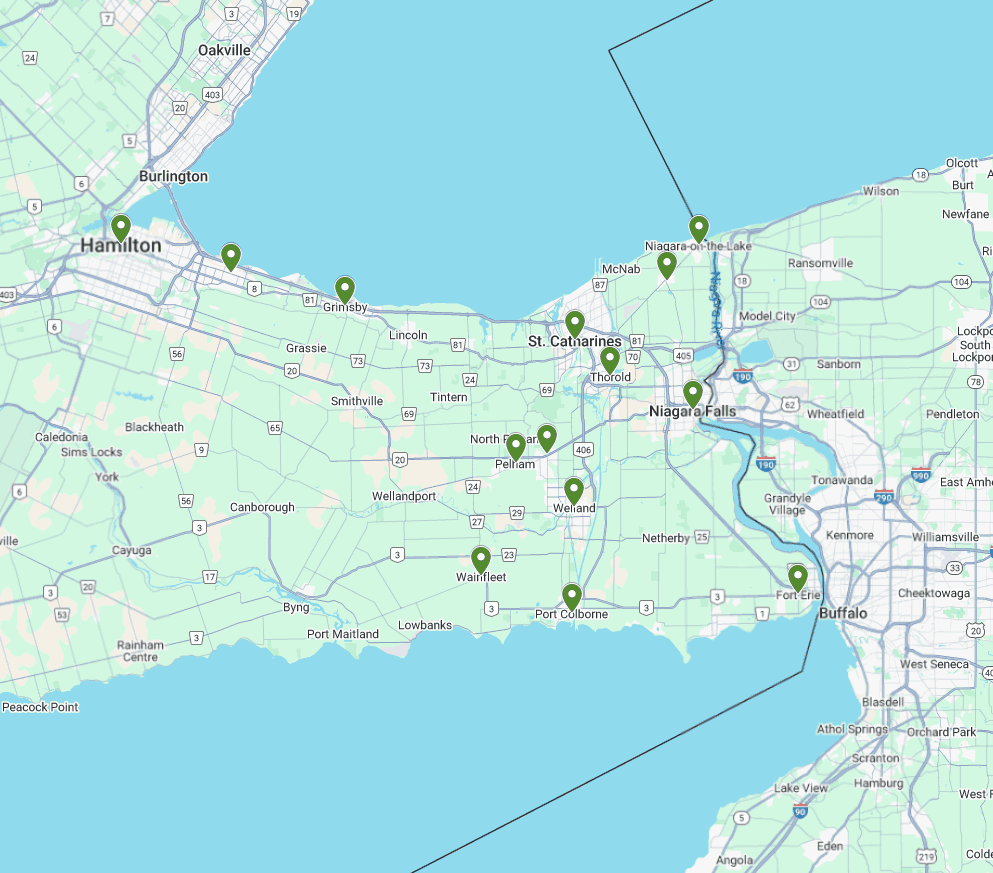
Our service areas encompass a wide range of locations, ensuring that we can meet the needs of our clients wherever they are. From bustling urban centers to serene rural landscapes, we are committed to providing top-notch services tailored to each unique environment.