



Water heater repair in Niagara On The Lake, ON offers thorough diagnostics, safe repairs, and practical guidance to restore reliable hot water. Common tank and tankless issues, explains diagnostic steps, and outlines repair options from element and thermostat replacements to descaling and valve repairs. By focusing on safety, efficiency, and long-term durability, technicians help homeowners understand when to repair or replace, provide transparent estimates, and tailor maintenance plans to local water quality and seasonal demand.
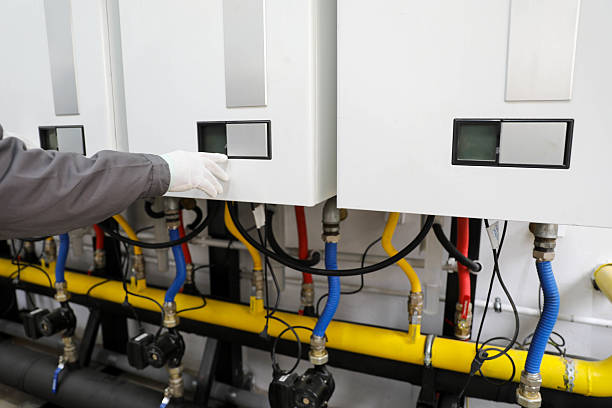
Water Heater Repair in Niagara On The Lake, ON
A reliable hot water supply is essential for comfort and daily routines—especially in Niagara On The Lake where cold winters, historic homes, and seasonal occupancy put extra demand on plumbing systems. Professional water heater repair in Niagara On The Lake, ON focuses on restoring safe, efficient hot water quickly while addressing the root cause to prevent repeat breakdowns. Whether you have a traditional tank or a modern tankless unit, understanding common problems, the diagnostic process, and sensible repair options helps you make a confident decision.
Common water heater issues in Niagara On The Lake
- No hot water: Often caused by failed heating elements on electric tanks, faulty thermostats, or ignition problems on gas units. Tankless units may lose heat if flow sensors or burners fail.
- Intermittent hot water or temperature swings: Thermostat, dip tube, or scale buildup can reduce usable capacity and create inconsistent output.
- Leaks from tank or fittings: Corrosion, loose connections, or a failing pressure relief valve lead to visible leaks and moisture damage risk.
- Pilot or ignition failures (gas units): Thermocouple, gas valve, or electronic ignition faults will prevent the burner from lighting safely.
- Strange noises: Popping and rumbling usually point to sediment buildup on the tank bottom—common in regions with mineral-rich water.
- Rusty or discolored water: Corroded tank interior or anode rod failure allowing metal particles into the water.
- Reduced hot water flow: Mineral scale or clogged valves and screens can restrict flow, especially in older or seasonal properties.
How we diagnose water heater problems
A thorough, safety-first diagnostic identifies the actual fault and outlines repair choices:
- Visual inspection for leaks, corrosion, and ventilation issues.
- Safety checks for gas leaks, carbon monoxide, and electrical faults.
- Functional tests of thermostats, elements, ignition systems, and flow sensors.
- Combustion analysis on gas units and pressure checks on relief valves.
- Assessment of mineral buildup and anode rod condition—particularly relevant around the Niagara Peninsula, where water hardness varies by source.After diagnostics a clear written repair recommendation is provided, explaining risks, expected lifespan after repair, and replacement considerations.
Repair options for tank water heaters
- Element and thermostat replacement for electric tanks restores heating performance without replacing the whole unit.
- Anode rod replacement protects the tank from corrosion and can extend life significantly when done early.
- Drain and flush removes sediment that causes noise, reduces efficiency, and can lead to premature failure.
- Pressure relief valve and drain valve replacement to stop leaks and restore safe operation.
- Minor patching or fitting repairs for external leaks; if tanks are corroded internally, replacement is recommended.Repair is often the right choice when the unit is under warranty or less than about 8–12 years old and the fault is isolated to a replaceable component.
Repair options for tankless water heaters
- Descaling (rinse and chemical flush) addresses mineral buildup on heat exchangers, a common cause of reduced output in hard-water areas.
- Replacement of ignition modules, flow sensors, or solenoid valves when electronics fail.
- Heat exchanger repairs or replacement in units with localized damage; sometimes replacement is more cost-effective if damage is extensive.
- Venting and gas-supply checks to ensure safe combustion performance.Tankless systems are efficient but can be more sensitive to water quality and venting; proactive maintenance reduces emergency failures.
Parts replacement commonly performed
- Heating elements and thermostats
- Temperature and pressure relief (T&P) valves
- Anode rods and dip tubes
- Drain valves and tank fittings
- Gas valves, thermocouples, and ignition modules
- Flow sensors and control boards for tankless systemsEach part replacement restores a specific function; a qualified technician will explain longevity expectations after the repair.
Emergency response and safety considerations
Water heater leaks, gas-smell issues, and sudden loss of hot water in freezing temperatures create urgent safety and comfort concerns. Emergency service availability focuses on:
- Rapid assessment of leaks and risk of water damage
- Immediate safety isolation of gas or electrical supply if required
- Temporary solutions to restore hot water while planning permanent repairsFast response is especially important in Niagara On The Lake where older plumbing and winter freezes can escalate minor issues.
Warranty and service guarantees
Professional repairs should include clear documentation of work and warranty coverage on parts and labor. Typical expectations:
- Parts warranty from manufacturers for replaced components
- Labor guarantee covering workmanship for a specified period
- Written service record listing diagnostics, parts used, and recommendationsVerify warranty terms before work proceeds so you know what’s covered and how follow-up service is handled.
Maintenance tips to prevent future breakdowns
- Annual flush and inspection to remove sediment and check the anode rod, valves, and fittings.
- Install a water softener or scale filter where mineral content is high to protect tank and tankless units.
- Check the T&P valve and drain valve periodically for proper function.
- Insulate exposed hot water pipes and the tank to reduce heat loss in cold months.
- Lower thermostat to a safe, efficient setting (typically around 120°F) to reduce stress on the system.Scheduled maintenance extends equipment life and reduces the chance of unexpected failures during peak seasonal demand.
Scheduling and what to expect during a service call in Niagara On The Lake
A typical service visit follows straightforward steps: arrange a convenient appointment window, technician arrival with diagnostic equipment and common replacement parts, on-site inspection and testing, and a written estimate that explains repair options along with expected outcomes and warranty coverage. If repairs are approved, most minor component fixes can be completed during the same visit; more complex jobs may require a follow-up appointment with ordered parts.
Professional water heater repair in Niagara On The Lake, ON restores safe hot water, prevents property damage, and improves energy efficiency. Understanding the diagnosis, realistic repair options for tank and tankless systems, and the value of routine maintenance helps homeowners and businesses protect comfort and investment in their plumbing systems.

Customer Testimonials

We had an amazing experience getting our new furnace installed with Niagara Home Heating. The owner was very helpful, their quote was more then competitive and the technician who installed the unit was professional and friendly. I would recommend their services.

Lifesavers!! The AC in our house decided to quit the day we were passing the keys to the new owners!! Instead of making a service call to the house, John coached me through the minor repair over the phone, saving me the money and time waiting for a repair person to come.Much appreciated! Thanks again John
Very efficient company. I needed an old solar water heater removed from my roof. They were quick to book an appointment for the next day after I sent photos. They were very knowledgeable of the issue. The 2 guys that came were friendly and competent with the job, including removal of all parts.
I called John today at 2:pm as my AC was not working and I wasn’t expecting even a call back as I knew with this hot weather we have had he would be swamped with calls. Well he called me back and showed at 8:pm on the same day to fix my AC. That is just incredible service and how much John really cares about his clients. Thank you John !
I have used Niagara Home heating for multiple projects for over 16 years. John and his staff are absolutely the best. I tell all my friends and family about Niagara Home Heating because you won’t get any better service or pricing anywhere in Niagara. He has saved me thousands and thousands of dollars and has never let me down.
I had an issue with my hot water tank and called Niagara Home Heating. Their service was fantastic and reasonably priced—exactly how a business should be run!

Service Areas
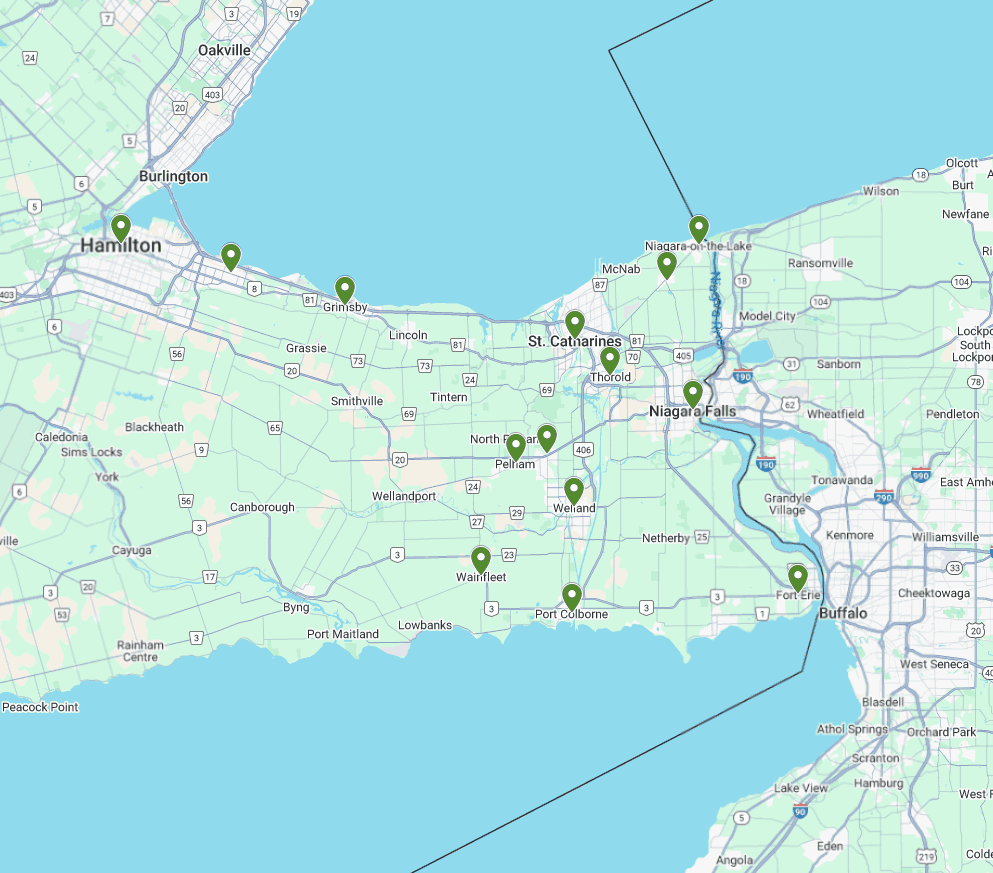
Our service areas encompass a wide range of locations, ensuring that we can meet the needs of our clients wherever they are. From bustling urban centers to serene rural landscapes, we are committed to providing top-notch services tailored to each unique environment.