



Heat pump installation in Niagara On The Lake delivers a comprehensive service overview, emphasizing expert sizing, code-compliant permitting, and careful on-site evaluation to fit heritage homes and climate. The guide explains suitable systems (air-source, ductless, hybrid, and ground-source options) and stresses proper ductwork, mounting, and outdoor-unit placement. A step-by-step installation process, rigorous commissioning, and thorough handover ensure energy efficiency, quiet operation, and long-term reliability for modern and historic properties throughout Niagara On The Lake today.
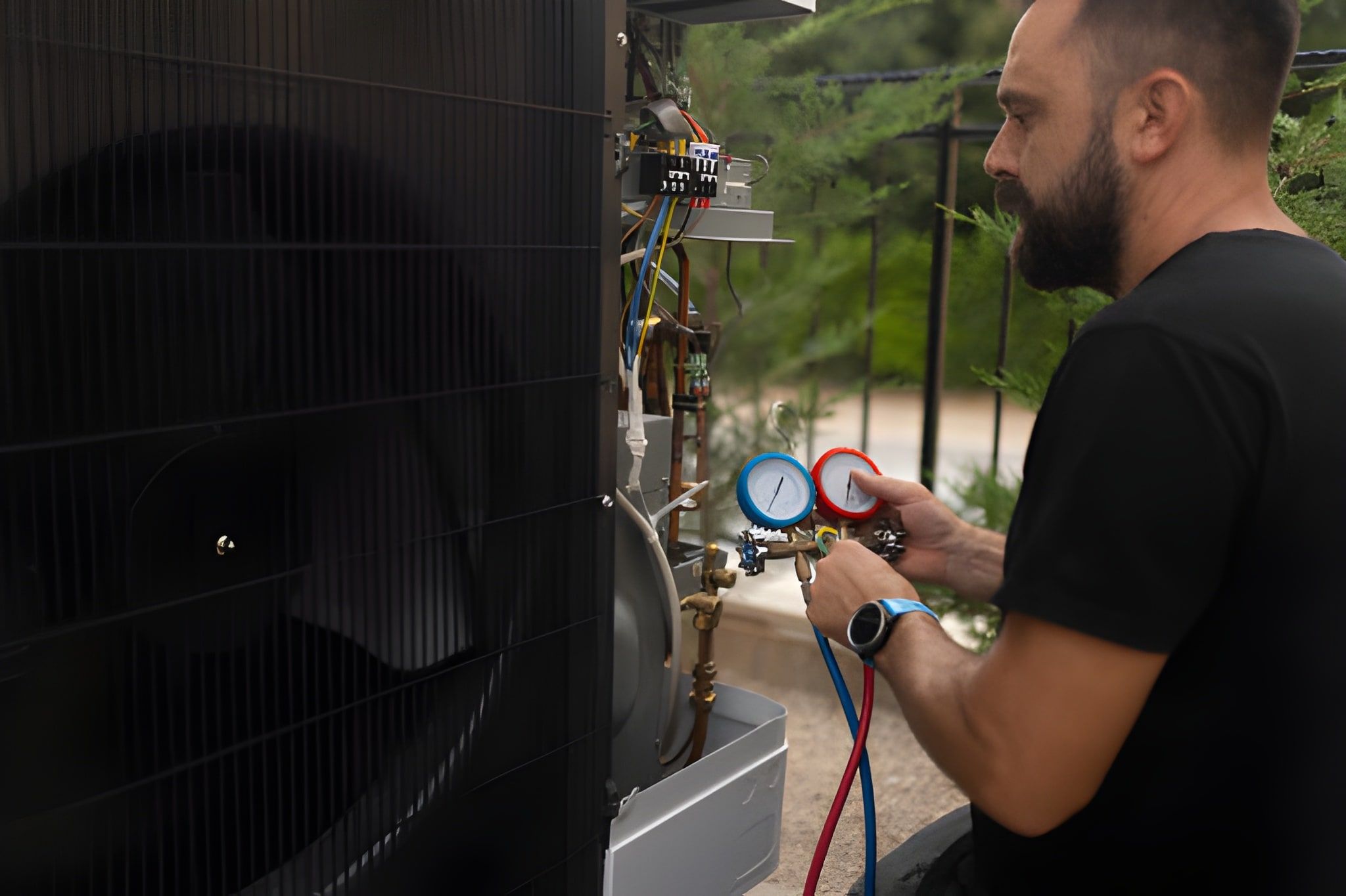
Heat Pump installation in Niagara On The Lake, ON
Upgrading to a heat pump is one of the most effective ways to cut heating and cooling costs while improving year-round comfort. For homeowners in Niagara On The Lake, ON, professional heat pump installation takes into account the unique local climate, older and heritage-style houses, and municipal permitting requirements to deliver a reliable, efficient system sized and installed for long service life.
Why a heat pump makes sense in Niagara On The Lake
- Niagara On The Lake experiences humid summers and cold, lake-influenced winters. Modern cold-climate heat pumps maintain good efficiency at lower temperatures and provide both reverse-cycle heating and cooling in a single system.
- Many homes in the town are older with limited attic or crawlspace ductwork. Ductless mini-splits or compact air-source units often offer the best balance of comfort and minimal renovation.
- Quiet operation and discrete outdoor unit placement are important in a tourism-focused community. Low-noise models and careful mounting help preserve property aesthetics and neighbourhood comfort.
Common heat pump types and which suits your home
- Air-source heat pumps: Best for most residential properties. They can integrate with existing ductwork or be installed as part of a new ducted system.
- Ductless mini-splits: Ideal for older, heritage, or renovated homes with no existing ducts. They allow individual room control and minimal interior disruption.
- Hybrid systems: Combine a heat pump with a furnace for backup during extreme cold, useful in Niagara On The Lake if you prefer guaranteed performance during the coldest snaps.
- Ground-source (geothermal): High efficiency but higher upfront cost and excavation; less common for typical NOTL lots.
On-site evaluation and sizing
A proper installation begins with a thorough on-site evaluation:
- Manual J heat loss and gain calculation to determine accurate system capacity based on insulation, window types, orientation, and occupancy.
- Assessment of existing ductwork for compatibility, leakage, and required modifications.
- Structural and exterior review for unit placement options, screening needs, and potential noise or aesthetics concerns—important in heritage neighbourhoods.
- Electrical service check to determine whether panel upgrades or dedicated circuits are required.
Correct sizing is critical. Oversized units short cycle and reduce efficiency; undersized systems struggle during cold weather. We recommend using industry-standard load calculations rather than rule-of-thumb sizing.
Ductwork and mounting considerations
- Ducted installations: Inspect ducts for leaks, recommend insulation and sealing, and perform airflow balancing and zoning when needed to ensure even temperatures.
- Ductless installations: Plan head locations for optimal airflow and minimal visual impact. Short, concealed refrigerant lines help maintain appearance on heritage façades.
- Outdoor unit placement: Firm pad or wall brackets, clearance for airflow and service, noise-reduction measures, and screening to meet local aesthetics. For waterfront or lake-effect locations, elevation and corrosion-resistant components may be advisable.
Permitting and code compliance
- Installations in Niagara On The Lake must comply with the Ontario Building Code and provincial electrical regulations. Many projects require municipal building permits and an Electrical Safety Authority notification or inspection.
- Refrigerant handling must meet industry safety and environmental rules. Proper documentation and permits are provided as part of a professional installation.
- Heritage properties may have additional local guidelines for exterior changes. A professional evaluation will identify permit needs and suggest low-impact installation options.
Step-by-step installation process
Commissioning, testing and handover
A thorough commissioning process ensures long-term reliability:
- Measure and verify refrigerant charge by superheat/subcooling methods when applicable.
- Confirm airflow, static pressures, and supply/return temperatures meet design targets.
- Test defrost cycles, backup heat operation (if present), and controls under varied conditions.
- Run noise and vibration checks and confirm outdoor unit clearances.
- Provide a complete orientation to operation modes, thermostat programming, and seasonal settings.
Documentation provided at handover should include equipment manuals, wiring diagrams, service schedules, warranty information, and permit sign-offs.
Typical heat pump issues in Niagara On The Lake and how good installation prevents them
- Insufficient heating in cold weather: prevented by proper sizing, selecting cold-climate models, and considering hybrid backup if needed.
- Uneven temperatures or high energy use: caused by poor ductwork or lack of zoning; solved with duct sealing and proper balancing.
- Short cycling: caused by oversized equipment or incorrect controls; avoided with accurate load calculations and matched components.
- Noise and visual impact complaints: reduced through low-noise models, careful placement, and screening solutions suited to heritage areas.
- Refrigerant leaks or performance loss: prevented by skilled brazing, leak testing, and accurate charging.
Operation and maintenance guidance for long life
- Regular filter checks: replace or clean according to manufacturer guidance, typically every 1 to 3 months for optimal performance.
- Annual service: professional inspection of refrigerant levels, electrical connections, and coil cleaning will maintain efficiency and catch small issues early.
- Keep outdoor unit clear: maintain 1 meter clearance from vegetation, snow removal plans for winter, and angled mounting where heavy snow or drifting is likely near the lake.
- Thermostat programming: use setback strategies and multi-stage or inverter controls correctly to get the best efficiency without sacrificing comfort.
- Watch for warning signs: unusual noises, reduced airflow, erratic cycling, or higher-than-normal bills; early diagnosis reduces repair costs.
Benefits summary
A properly installed heat pump provides efficient heating and cooling, reduced carbon footprint, quieter operation, and flexible installation options for both modern and heritage homes in Niagara On The Lake. Careful on-site evaluation, correct equipment selection, code-compliant permitting, and methodical commissioning are the keys to reliable year-round comfort and long-term value.
If your home in Niagara On The Lake has unique constraints — tight lot lines, heritage exterior requirements, or limited ductwork — an informed installation plan tailored to those conditions will protect both your investment and the character of your property.

Customer Testimonials

I called John today at 2:pm as my AC was not working and I wasn’t expecting even a call back as I knew with this hot weather we have had he would be swamped with calls. Well he called me back and showed at 8:pm on the same day to fix my AC. That is just incredible service and how much John really cares about his clients. Thank you John !

Lifesavers!! The AC in our house decided to quit the day we were passing the keys to the new owners!! Instead of making a service call to the house, John coached me through the minor repair over the phone, saving me the money and time waiting for a repair person to come.Much appreciated! Thanks again John
I had an issue with my hot water tank and called Niagara Home Heating. Their service was fantastic and reasonably priced—exactly how a business should be run!
I have used Niagara Home heating for multiple projects for over 16 years. John and his staff are absolutely the best. I tell all my friends and family about Niagara Home Heating because you won’t get any better service or pricing anywhere in Niagara. He has saved me thousands and thousands of dollars and has never let me down.
Very efficient company. I needed an old solar water heater removed from my roof. They were quick to book an appointment for the next day after I sent photos. They were very knowledgeable of the issue. The 2 guys that came were friendly and competent with the job, including removal of all parts.
We had an amazing experience getting our new furnace installed with Niagara Home Heating. The owner was very helpful, their quote was more then competitive and the technician who installed the unit was professional and friendly. I would recommend their services.

Service Areas
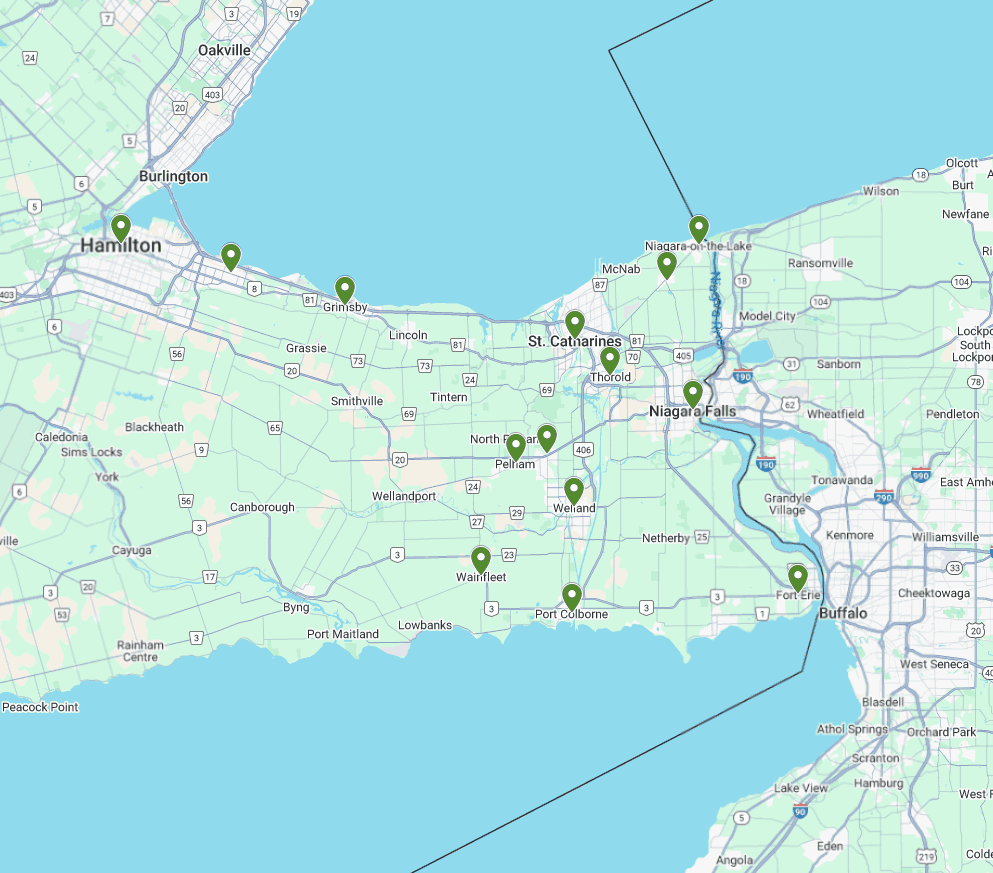
Our service areas encompass a wide range of locations, ensuring that we can meet the needs of our clients wherever they are. From bustling urban centers to serene rural landscapes, we are committed to providing top-notch services tailored to each unique environment.