



Heat pump tune-ups in Niagara On The Lake offer proactive maintenance to sustain efficiency, quiet operation, and reliable heating and cooling. It describes a comprehensive, step-by-step inspection and adjustment process, including thermostat calibration, airflow checks, refrigerant verification, safety testing, coil cleaning, defrost and reversing valve checks, and outdoor unit evaluation. It also covers expected duration, cost considerations, and the tangible performance improvements homeowners can expect after a thorough tune-up. Regular maintenance helps prevent mid-season failures and extends system life.
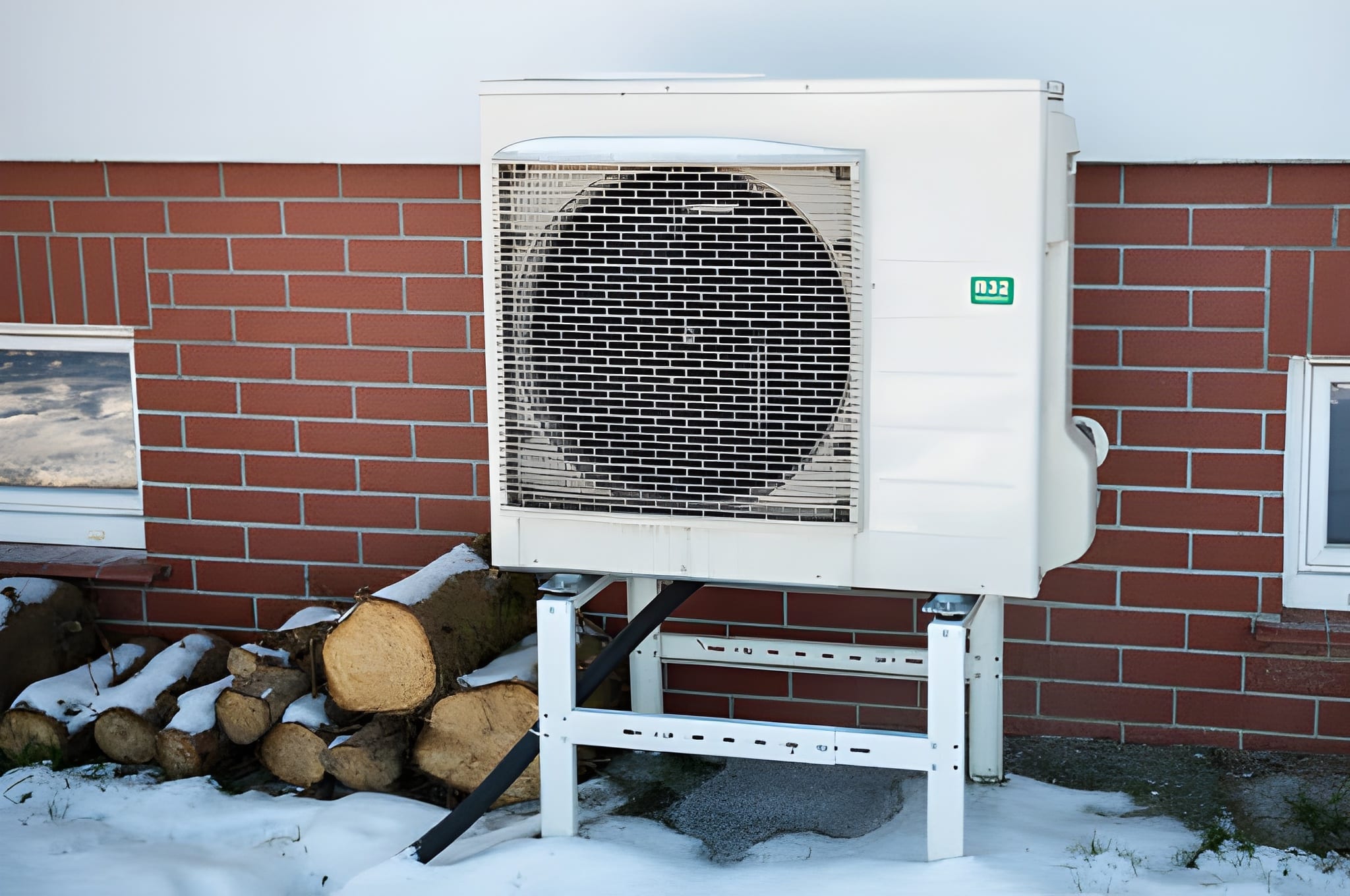
Heat Pump tune-up in Niagara On The Lake, ON
A professional heat pump tune-up is the single best preventative step to keep your system running efficiently, quietly, and reliably through Niagara On The Lake's variable seasons. With cold, damp winters, humid summers, and spring/fall temperature swings influenced by Lake Ontario, homes here benefit from seasonal attention that prevents icy build-up, refrigerant loss, and moisture-related wear. A tune-up uncovers small issues before they become emergency repairs and helps your heat pump deliver predictable comfort when you need it most.
What a comprehensive heat pump tune-up in Niagara On The Lake, ON includes
Below is the checklist of inspection and adjustment tasks performed during a full tune-up. Each item targets a common source of inefficiency or failure in local homes.
- Thermostat calibration and controls
- Verify thermostat accuracy and calibration; confirm correct system mode and temperature differential.
- Inspect wiring and program settings so the heat pump responds properly to seasonal setpoints.
- Airflow checks
- Measure supply and return airflow to ensure adequate circulation.
- Inspect filters, return grilles, and ductwork for blockages, leaks, or disconnected ducts that reduce capacity and raise energy use.
- Refrigerant level verification
- Check refrigerant pressures and temperatures to confirm correct charge.
- Look for signs of leaks (oil staining, low pressure) that cause reduced heating/cooling capacity and higher compressor stress.
- Safety control testing
- Test defrost controls, high/low pressure switches, and safety interlocks to confirm safe operation in freezing conditions.
- Verify backup heating controls if your home uses electric backup during extreme cold.
- Noise and vibration assessment
- Listen for abnormal sounds in the outdoor unit and indoor air handler that indicate worn bearings, loose panels, or failing motors.
- Check rubber mounts, fan blades, and condenser coil stabilization to reduce vibration and long-term wear.
- Electrical and component inspection
- Tighten electrical connections, test capacitors, contactors, and relays for correct operation.
- Confirm proper fan and compressor currents to catch failing components before burnout.
- Coil cleaning and condensate management
- Clean evaporator and condenser coils to restore heat transfer efficiency.
- Clear condensate drains and inspect pans to prevent water damage and mold growth.
- Defrost cycle and reversing valve check
- Verify the defrost cycle works properly so the outdoor coil does not ice over in winter.
- Test reversing valve operation for consistent mode changes between heating and cooling.
- Outdoor unit environment inspection
- Assess unit clearance, remove debris, and check for bird nests or plant growth that can restrict airflow—common issues in Niagara On The Lake gardens and vineyard-adjacent yards.
Typical tune-up process and expected duration
A standard, thorough tune-up is a methodical inspection plus small adjustments and cleaning. The process usually follows these steps:
Expected duration: most residential heat pump tune-ups take approximately 60 to 120 minutes, depending on unit accessibility, size, and condition. Systems with blocked coils, extensive debris, or multiple indoor units may require more time.
Cost considerations (what affects price)
Instead of a fixed number, tune-up cost depends on factors that commonly vary across Niagara On The Lake homes:
- Unit accessibility and number of indoor/outdoor components
- Age and model of the heat pump and whether parts are under warranty
- Need for refrigerant top-up or leak detection services
- Extent of coil cleaning required and presence of nests, heavy pollen, or salt contamination
- Whether additional repairs (capacitor, contactor, reversing valve) are identified during inspection
A technician will usually provide a clear estimate for any recommended repairs after the initial tune-up assessment.
Performance improvements you can expect
After a properly executed tune-up, homeowners typically notice:
- More consistent indoor temperatures and faster recovery after setbacks
- Quieter operation with reduced rattles and fan noise
- Improved efficiency and reduced energy waste from leaks, dirty coils, or poor airflow
- Fewer short cycles and more stable compressor operation, which prolongs equipment life
- More reliable defrosting and heating performance during cold, damp Niagara winters
These benefits reduce the risk of mid-season failures and help the system run closer to the efficiency levels intended by the manufacturer.
Preparing your heat pump for seasonal transitions in Niagara On The Lake
Niagara On The Lake experiences significant seasonal changes that affect heat pump performance. Timing your tune-ups around these transitions is smart:
- Spring tune-up: ideal before the heavy cooling demands of summer, especially after pollen season and spring debris.
- Fall tune-up: recommended before sustained cold arrives so defrost cycles, backup heaters, and controls are confirmed.Local tips to prepare your system:
- Keep at least 1 m of clearance around the outdoor unit and remove leaves, grass, and snow buildup.
- Replace or clean filters regularly—especially during vineyard-spraying seasons and spring pollen.
- Check that outdoor condensate paths are clear before the first freeze.
- Keep a record of service dates and any parts replaced to protect warranties and qualify for some maintenance-based rebate programs.
Common issues found during tune-ups in Niagara On The Lake homes
- Reduced capacity from low refrigerant due to small leaks
- Coil corrosion or salt-related wear on low-lying lakefront properties
- Blocked airflow from seasonal pollen, dust from rural roads, or nesting birds
- Defrost control failures after long, damp winters
- Electrical wear on older units from frequent cycling during temperature swings
Addressing these issues early avoids costly compressor failures and restores dependable comfort.
Regular, seasonal heat pump tune-ups keep Niagara On The Lake homes comfortable year-round, protect your investment, and reduce the chance of inconvenient breakdowns during extreme weather. A comprehensive inspection, combined with targeted adjustments and cleaning, maximizes performance and extends the life of your system so it continues working efficiently in local conditions.

Customer Testimonials

We had an amazing experience getting our new furnace installed with Niagara Home Heating. The owner was very helpful, their quote was more then competitive and the technician who installed the unit was professional and friendly. I would recommend their services.

I have used Niagara Home heating for multiple projects for over 16 years. John and his staff are absolutely the best. I tell all my friends and family about Niagara Home Heating because you won’t get any better service or pricing anywhere in Niagara. He has saved me thousands and thousands of dollars and has never let me down.
Lifesavers!! The AC in our house decided to quit the day we were passing the keys to the new owners!! Instead of making a service call to the house, John coached me through the minor repair over the phone, saving me the money and time waiting for a repair person to come.Much appreciated! Thanks again John
I had an issue with my hot water tank and called Niagara Home Heating. Their service was fantastic and reasonably priced—exactly how a business should be run!
I called John today at 2:pm as my AC was not working and I wasn’t expecting even a call back as I knew with this hot weather we have had he would be swamped with calls. Well he called me back and showed at 8:pm on the same day to fix my AC. That is just incredible service and how much John really cares about his clients. Thank you John !
Very efficient company. I needed an old solar water heater removed from my roof. They were quick to book an appointment for the next day after I sent photos. They were very knowledgeable of the issue. The 2 guys that came were friendly and competent with the job, including removal of all parts.

Service Areas
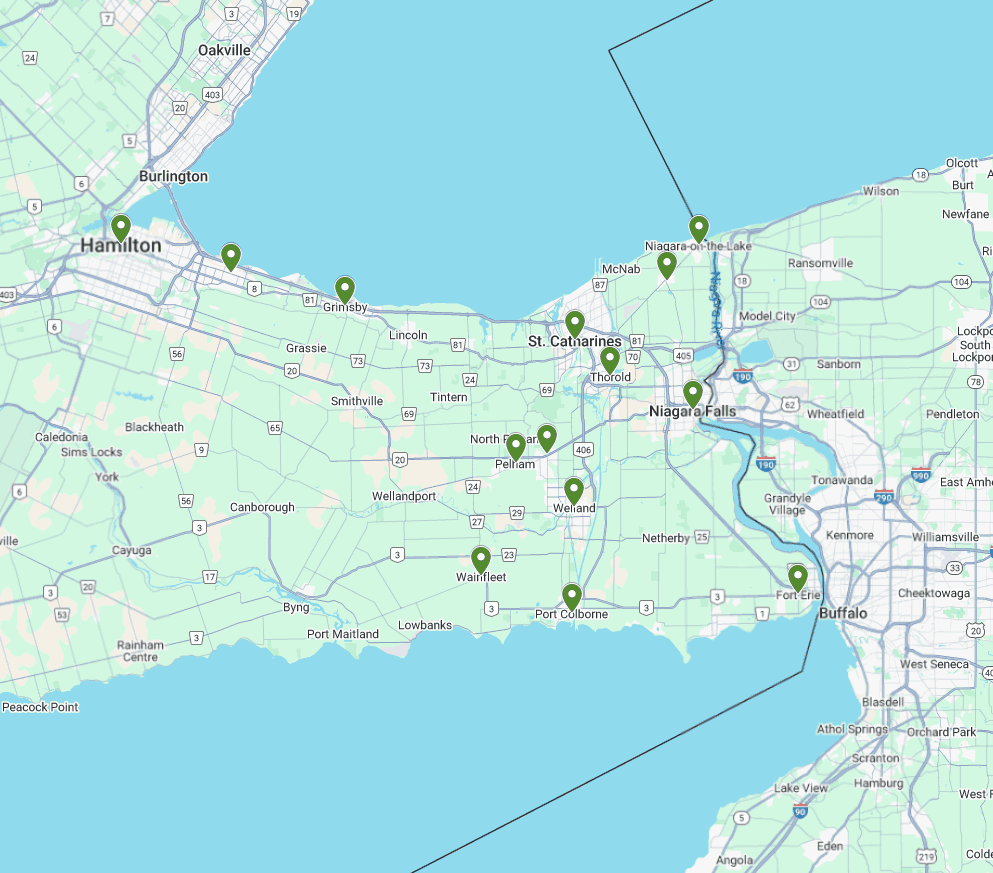
Our service areas encompass a wide range of locations, ensuring that we can meet the needs of our clients wherever they are. From bustling urban centers to serene rural landscapes, we are committed to providing top-notch services tailored to each unique environment.